Understanding Cholesterol: Why It Matters for Your Heart Health

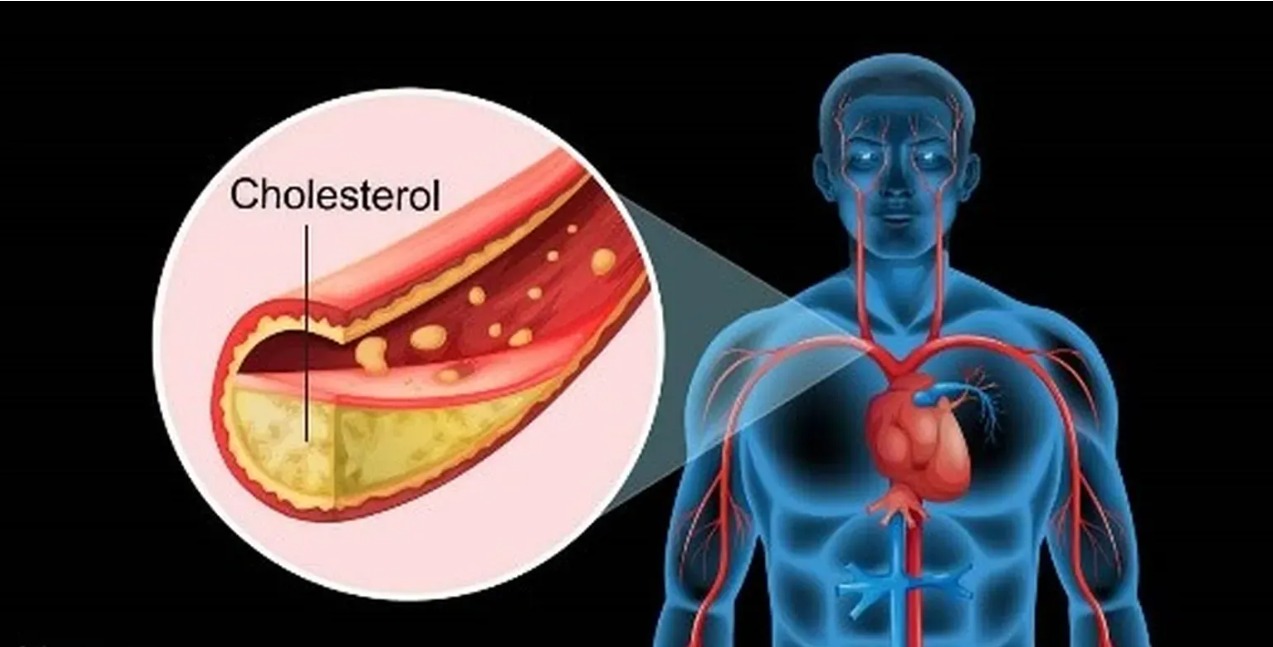
Cholesterol is a waxy substance found in your blood that plays an important role in building healthy cells. However, when cholesterol levels become too high, they can increase your risk of heart disease, stroke, and other cardiovascular conditions. High cholesterol often develops without symptoms, making regular screenings essential for protecting your heart health.

If you live in Lakewood, CA, or nearby communities such as Long Beach, Cerritos, Bellflower, Paramount, or Downey, understanding your cholesterol levels is one of the most effective steps you can take to reduce your risk of heart disease.

What Is Cholesterol?

Your body needs cholesterol to produce hormones, vitamin D, and substances that help digest food. Cholesterol travels through your bloodstream attached to proteins called lipoproteins.

There are two main types of cholesterol:

LDL (Low-Density Lipoprotein)

Often referred to as “bad cholesterol,” LDL can build up inside your arteries, creating plaque that restricts blood flow to your heart and brain.

HDL (High-Density Lipoprotein)

Known as “good cholesterol,” HDL helps remove excess cholesterol from your bloodstream, reducing your risk of cardiovascular disease.

Why High Cholesterol Is Dangerous

Over time, excess cholesterol can narrow your arteries, making it harder for blood to circulate. This process, known as atherosclerosis, significantly increases the risk of:

  • Heart attacks
  • Stroke
  • Peripheral artery disease
  • Coronary artery disease

Because plaque builds slowly, many people don’t realize they have high cholesterol until a serious cardiac event occurs.

Risk Factors for High Cholesterol

Several lifestyle and genetic factors can contribute to unhealthy cholesterol levels, including:

  • Diet high in saturated fats
  • Lack of physical activity
  • Smoking
  • Obesity
  • Diabetes
  • Family history
  • Aging
How to Lower Your Cholesterol

Improving cholesterol levels often starts with healthy lifestyle changes.

Eat Heart-Healthy Foods

Choose foods rich in fiber, vegetables, fruits, whole grains, nuts, and lean proteins while limiting processed foods and saturated fats.

Stay Active

Aim for at least 30 minutes of moderate exercise most days of the week.

Maintain a Healthy Weight

Even modest weight loss can improve cholesterol levels and reduce cardiovascular risk.

Stop Smoking

Quitting smoking improves HDL cholesterol while lowering your overall heart disease risk.

Why Regular Cholesterol Screenings Matter

Routine cholesterol testing helps detect problems before symptoms develop. Your cardiologist can evaluate your results and recommend lifestyle modifications or medications if necessary.

Personalized Cardiology Care in Lakewood, CA

At Premier Choice Cardiology, we provide comprehensive cardiovascular evaluations, cholesterol management, and preventive heart care for patients throughout Lakewood and surrounding communities. Our goal is to help patients reduce their cardiovascular risk through early detection and personalized treatment plans.

Schedule Your Heart Health Assessment

If you haven’t had your cholesterol checked recently, now is the perfect time. Contact Premier Choice Cardiology to schedule a cardiovascular evaluation and take the next step toward a healthier heart.

How High Blood Pressure Can Impact Your Heart Health

High blood pressure, also known as hypertension, affects nearly half of American adults and is one of the leading risk factors for heart disease. Because it often develops without noticeable symptoms, hypertension is commonly referred to as the “silent killer.”

For residents of Lakewood, CA, and nearby communities, understanding the effects of high blood pressure can help prevent serious cardiovascular complications and improve long-term health outcomes.

What Is High Blood Pressure?

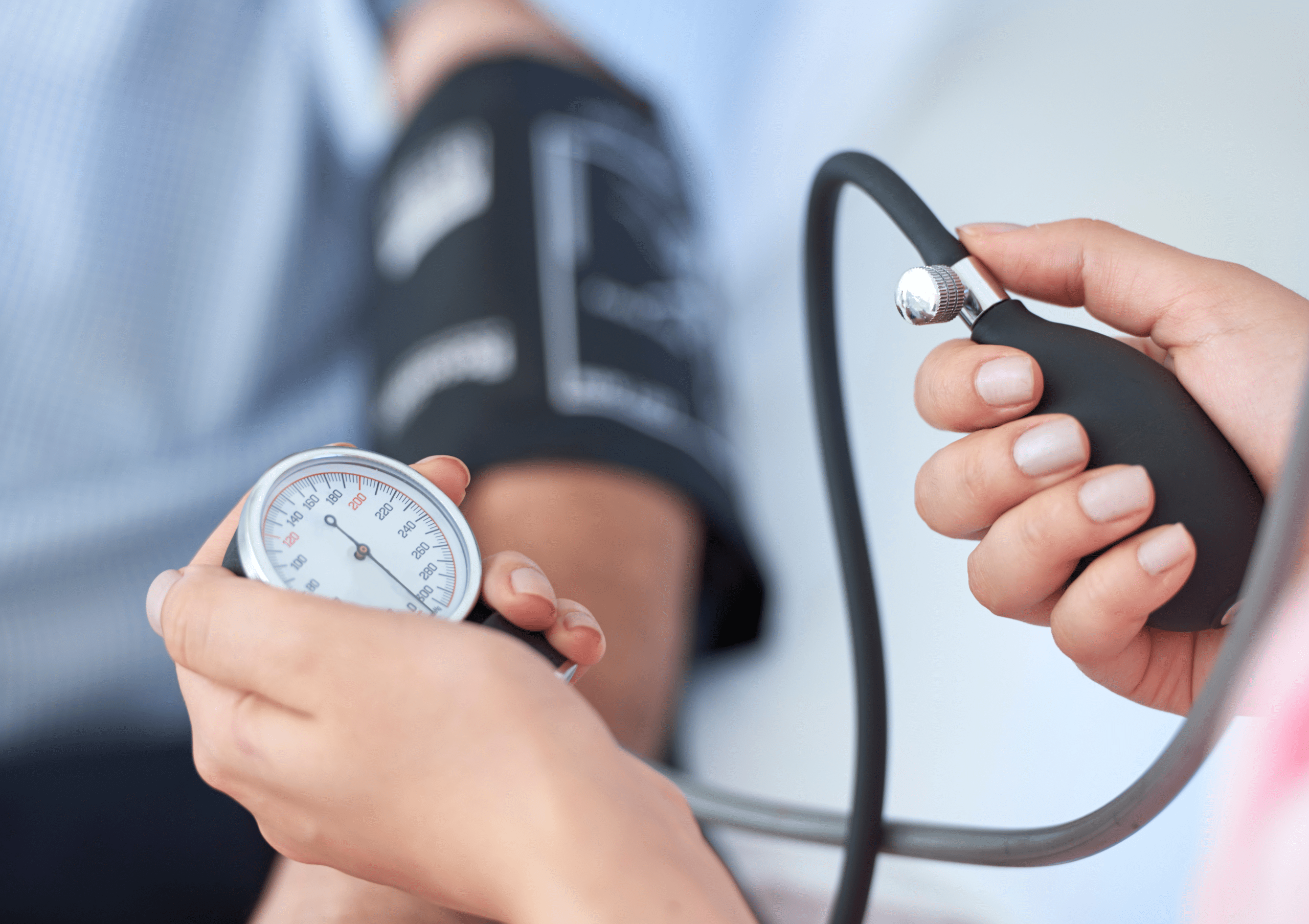
Blood pressure measures the force of blood pushing against the walls of your arteries. When this pressure remains consistently elevated, your heart must work harder to circulate blood throughout your body.

Over time, this extra strain can damage both the heart and blood vessels.

Why High Blood Pressure Is Dangerous

Uncontrolled hypertension can contribute to several serious health conditions, including:

Heart Attack

High blood pressure accelerates the buildup of plaque inside the arteries, increasing the risk of blocked blood flow to the heart.

Stroke

Damaged blood vessels are more likely to rupture or become blocked, leading to strokes.

Heart Failure

The heart can become enlarged and weakened due to the constant effort required to pump against elevated pressure.

Kidney Disease

Hypertension can damage the blood vessels that supply the kidneys.

Common Risk Factors for Hypertension

Several factors increase the likelihood of developing high blood pressure:

  • Family history
  • Obesity
  • Smoking
  • High-sodium diets
  • Physical inactivity
  • Chronic stress
  • Diabetes
  • Increasing age

Symptoms Often Go Unnoticed

Most people with hypertension experience no symptoms. However, severe cases may cause:

  • Headaches
  • Shortness of breath
  • Chest discomfort
  • Blurred vision
  • Fatigue

Because symptoms often appear late, routine screenings are essential.

How to Lower High Blood Pressure Naturally

Lifestyle changes can significantly improve blood pressure levels.

Maintain a Healthy Diet

Choose foods rich in:

  • Fruits
  • Vegetables
  • Whole grains
  • Lean proteins
  • Healthy fats
Exercise Regularly

Aim for at least 150 minutes of moderate physical activity per week.

Reduce Sodium Intake

Limiting processed foods can help lower blood pressure and improve heart health.

Manage Stress

Meditation, relaxation techniques, and quality sleep can positively impact cardiovascular health.

When to See a Cardiologist

You should consider seeing a cardiologist if:

  • Your blood pressure remains elevated despite treatment.
  • You have multiple cardiovascular risk factors.
  • You have a family history of heart disease.
  • You experience symptoms such as chest pain or shortness of breath.

Comprehensive Hypertension Management in Lakewood, CA

At Premier Choice Cardiology, we provide personalized evaluations, advanced diagnostic testing, and customized treatment plans to help patients effectively manage high blood pressure and reduce cardiovascular risks.

Protect Your Heart for the Future

Managing blood pressure today can significantly reduce the risk of heart attacks, strokes, and heart failure tomorrow. Routine monitoring and professional cardiovascular care remain key components of long-term heart health.

Contact Premier Choice Cardiology to schedule a consultation and take the next step toward better cardiovascular wellness.

Heart Palpitations: When Should You Be Concerned?

Have you ever felt like your heart was racing, fluttering, skipping a beat, or pounding unexpectedly? These sensations are known as heart palpitations and are one of the most common reasons patients seek cardiovascular care. While many palpitations are harmless, others can indicate an underlying heart condition that requires medical attention.

If you live in Lakewood, CA, or nearby communities such as Long Beach, Bellflower, Cerritos, Paramount, or Downey, understanding when heart palpitations are normal and when they require evaluation can help protect your long-term heart health.

What Are Heart Palpitations?

Heart palpitations are sensations that make you unusually aware of your heartbeat. You may feel:

  • A racing heartbeat
  • Fluttering in your chest
  • Skipped beats
  • Rapid pounding
  • Irregular heart rhythm

Palpitations may occur during activity, while resting, or even while sleeping.

Common Causes of Heart Palpitations

Many factors can trigger palpitations, including:

Stress and Anxiety

Emotional stress causes the body to release hormones that can temporarily increase heart rate.

Caffeine Consumption

Coffee, energy drinks, and certain supplements can stimulate the heart and cause palpitations.

Lack of Sleep

Poor sleep habits can affect heart rhythm and increase cardiovascular stress.

Dehydration

Even mild dehydration can cause your heart to work harder than normal.

Certain Medications

Some cold medicines, asthma inhalers, and weight-loss products may trigger irregular heartbeats.

When Palpitations May Signal a Heart Problem

Although many cases are harmless, you should seek medical evaluation if palpitations are accompanied by:

  • Chest pain
  • Shortness of breath
  • Dizziness
  • Fainting
  • Extreme fatigue
  • Family history of heart disease

These symptoms could indicate an arrhythmia or another cardiovascular condition.

How a Cardiologist Diagnoses Heart Palpitations

At Premier Choice Cardiology, diagnostic testing may include:

  • Electrocardiogram (EKG)
  • Holter monitoring
  • Echocardiogram
  • Stress testing
  • Blood pressure evaluation

These tests help identify whether your symptoms are related to an underlying heart condition.

Preventing Heart Palpitations

You may reduce episodes by:

  • Limiting caffeine intake
  • Staying hydrated
  • Managing stress
  • Exercising regularly
  • Getting adequate sleep
  • Following your doctor’s recommendations

Expert Cardiology Care in Lakewood, CA

If you’re experiencing frequent heart palpitations, don’t ignore the symptoms. Early evaluation can help identify potential heart rhythm disorders before they become serious. Premier Choice Cardiology proudly serves patients throughout Lakewood and surrounding communities with comprehensive cardiovascular care and personalized treatment plans.

Schedule Your Evaluation Today

Whether your symptoms are occasional or frequent, consulting a cardiologist can provide peace of mind and ensure your heart remains healthy for years to come.

How to Prevent Heart Disease: A Complete Guide for Adults

Heart disease affects millions of Americans every year, but many cardiovascular conditions can be prevented through healthy lifestyle choices and regular medical care. Whether you live in Lakewood, CA, or nearby communities, taking proactive steps today can significantly reduce your future risk.

Maintain a Heart-Healthy Diet

Nutrition plays a major role in cardiovascular health. Focus on:

  • Fresh fruits and vegetables
  • Whole grains
  • Lean proteins
  • Healthy fats such as olive oil and avocados
  • Low-sodium foods

Reducing processed foods, sugary drinks, and excessive saturated fats can help protect your heart.

Stay Physically Active

The American Heart Association recommends at least 150 minutes of moderate exercise each week. Activities such as walking, cycling, swimming, and light jogging can improve circulation and strengthen the heart.

Monitor Your Blood Pressure

High blood pressure is often called the “silent killer” because it may not cause noticeable symptoms. Routine screenings help detect issues before they become serious.

Manage Cholesterol Levels

High cholesterol can contribute to plaque buildup inside the arteries. Regular blood tests and proper treatment plans can help maintain healthy cholesterol levels.

Quit Smoking

Smoking significantly increases the risk of heart attacks, strokes, and other cardiovascular diseases. Quitting smoking provides immediate and long-term benefits for heart health.

Control Stress

Chronic stress may contribute to high blood pressure and unhealthy habits. Practicing relaxation techniques, maintaining social connections, and getting adequate sleep can support overall cardiovascular wellness.

Schedule Regular Cardiology Checkups

Routine heart screenings can identify risk factors before symptoms appear. Preventive cardiology is one of the most effective ways to protect your cardiovascular health.

Heart Care Services in Lakewood

Premier Choice Cardiology offers comprehensive heart health evaluations, cardiovascular risk assessments, diagnostic testing, and preventive care services for patients throughout Lakewood and surrounding areas.

Take Control of Your Heart Health Today

Preventing heart disease starts with small, consistent actions. Schedule a consultation with Premier Choice Cardiology and learn how a personalized prevention plan can help you maintain a healthier future.

Top 7 Warning Signs You Should See a Cardiologist

Heart disease remains one of the leading health concerns in the United States. While many people ignore early symptoms, recognizing the warning signs can help prevent serious complications. If you live in Lakewood, CA, or nearby communities, understanding when to seek professional cardiac care is essential for maintaining your long-term health.

1. Chest Pain or Discomfort

Chest pain is one of the most common symptoms associated with heart problems. It may feel like pressure, squeezing, fullness, or pain in the center of your chest. While not all chest pain indicates a heart condition, recurring discomfort should always be evaluated by a cardiologist.

2. Shortness of Breath

Difficulty breathing during daily activities or while resting can indicate an underlying cardiovascular issue. Conditions such as heart failure or coronary artery disease often cause shortness of breath.

3. High Blood Pressure

Uncontrolled high blood pressure can damage your heart and blood vessels over time. Regular monitoring and professional management are crucial to reducing your risk of heart disease.

4. Irregular Heartbeat

Feeling your heart race, flutter, or skip beats may indicate an arrhythmia. While some irregular heart rhythms are harmless, others require medical evaluation and treatment.

5. Persistent Fatigue

Extreme tiredness that cannot be explained by lifestyle factors may be a warning sign of reduced heart function. Many patients experience fatigue weeks or months before a cardiac event.

6. Swelling in the Legs or Feet

Fluid retention in the lower extremities can be linked to heart failure or circulation problems. If swelling persists, it is important to seek medical advice.

7. Family History of Heart Disease

Even without symptoms, individuals with a family history of cardiovascular disease should schedule regular cardiac evaluations to identify risk factors early.

Why Early Cardiac Care Matters

Preventive cardiology plays a vital role in reducing the risk of heart attacks, strokes, and other cardiovascular complications. Early diagnosis allows patients to make lifestyle changes and receive treatments before conditions become severe.

Trusted Cardiology Care in Lakewood

At Premier Choice Cardiology, we provide comprehensive cardiovascular evaluations, preventive heart care, and personalized treatment plans for patients throughout Lakewood and surrounding communities. Our goal is to help patients achieve better heart health through early detection and expert care.

Schedule Your Heart Health Evaluation

If you are experiencing any of these symptoms or have concerns about your heart health, contact Premier Choice Cardiology today to schedule a consultation with an experienced cardiology specialist in Lakewood, CA.

Finding Top-Rated Holter Monitoring Services Near You

Holter Monitoring
 

Your heart is the engine that keeps your body running, and maintaining heart health is crucial. When you experience irregular heartbeats or other symptoms, your doctor might recommend Holter monitoring to get a detailed analysis of your heart’s activity. This test is especially valuable for diagnosing arrhythmias, palpitations, or unexplained dizziness. Let’s delve into how Holter monitoring works and why it’s so useful.

What is Holter Monitoring?

Holter monitoring involves wearing a portable device that records your heart’s electrical activity over an extended period, typically 24 to 48 hours. This compact device is usually attached to your chest with small electrodes, allowing it to capture every heartbeat and any irregular patterns. The data collected can help doctors diagnose conditions that may not be detected during a short ECG in a doctor’s office.

Benefits of Holter Monitoring

Holter monitoring offers several advantages. It provides a more comprehensive view of your heart’s activity over time, helping to identify issues that might be missed with a standard ECG. This continuous monitoring can detect arrhythmias, heart block, or other irregularities. Additionally, Holter monitoring can capture symptoms that occur intermittently, providing a clearer picture of your heart health.

When Should You Get Holter Monitoring?

Holter monitoring is recommended in various scenarios. If you experience symptoms                                   like palpitations, dizziness, or unexplained chest pain, your doctor might suggest Holter monitoring to determine if these symptoms are related to your heart. It is also used to evaluate the effectiveness of heart treatments or to monitor patients with pacemakers.

How to Prepare for Holter Monitoring?

Preparing for Holter monitoring is straightforward. You should wear comfortable, loose-fitting clothing, as the device will be attached to your chest. Avoid using lotions or oils on your skin before the test to ensure the electrodes stick properly. You can continue with your daily activities, but you should avoid swimming or taking long showers during the monitoring period.

What to Expect During Holter Monitoring?

During Holter monitoring, you’ll wear a small device around your neck or waist, connected to electrodes on your chest. You can go about your daily activities, but be sure to note any symptoms or unusual events in a provided diary. This diary will help your doctor correlate specific activities with the recorded heart data. At the end of the monitoring period, you’ll return the device to your healthcare provider, who will analyze the data.

Interpreting Holter Monitoring Results

Once the monitoring period is over, a cardiologist will review the recorded data to look for irregular heart rhythms or other abnormalities. They will analyze the patterns, paying attention to periods of high or low activity, and correlate them with the symptoms you reported in your diary. The results will help determine if further testing or treatment is needed.

Holter Monitoring Services Near Me

Finding reliable “Holter Monitoring Services Near Me” is essential for accurate diagnosis and peace of mind. Start by asking your primary care doctor or cardiologist for recommendations. You can also search online for local Holter monitoring services, ensuring they have good reviews and a strong reputation. Look for services that offer convenient locations and flexible appointment times.

Choosing the Right Service Provider

When choosing a Holter monitoring service, consider factors like experience, reputation, and the technology they use. A reputable provider will have experienced technicians and use state-of-the-art equipment. It’s also important to find a service that communicates clearly with you and your healthcare team to ensure accurate results.

Premier Choice Cardiology

If you’re looking for high-quality Holter monitoring services, Premier Choice Cardiology is an excellent option. Located in Lakewood Township in New Jersey, they offer comprehensive cardiac care, including Holter monitoring, stress tests, and echocardiograms. With experienced staff and advanced technology, they ensure accurate results and a comfortable experience for patients. Visit their website to learn more about their services and schedule an appointment.

Frequently Asked Questions

  • Is Holter monitoring painful?

    No, Holter monitoring is painless. You may feel mild discomfort from the electrodes, but it should not cause pain.

  • Can I exercise during Holter monitoring?

    Yes, you can exercise, but avoid activities that could dislodge the electrodes or damage the device, like swimming.

  • Does insurance cover Holter monitoring?

    Most insurance plans cover Holter monitoring when it’s prescribed by a doctor. Check with your insurance provider to confirm coverage.

  • How long does it take to get Holter monitoring results?

    It typically takes a few days to a week to receive results. Your doctor will review the data and discuss the findings with you.

  • Is Holter monitoring accurate?

    Holter monitoring is highly accurate when used properly. It provides a detailed view of your heart’s activity over time, helping diagnose various conditions.

  • What happens if my Holter monitoring results are abnormal?

    If your results show abnormalities, your doctor will discuss the next steps, which may include further testing or treatment options.

Holter monitoring a key tool for heart health assessment

Holter monitoring is a valuable tool for assessing heart health and diagnosing conditions that may not be evident during a standard ECG. If you’ve been recommended for Holter monitoring, be sure to follow your doctor’s instructions and choose a reputable service provider. Premier Choice Cardiology offers excellent Holter monitoring services with experienced staff and advanced technology. Visit their website to learn more and schedule an appointment.

How Long Does Cardiac Catheterization Take?

 Cardiac Catheterization

Cardiac health is paramount, and procedures like cardiac catheterization play a crucial role in diagnosing and treating various heart conditions. Premier Choice Cardiology understands the significance of cardiac care, offering comprehensive services to promote heart health.

Understanding Cardiac Catheterization

Cardiac catheterization, also known as coronary angiography, is a medical procedure used to diagnose and treat heart conditions. It involves inserting a catheter into the heart’s blood vessels to evaluate blood flow and detect any abnormalities.

Preparation for the Procedure

Before undergoing cardiac catheterization, patients receive pre-procedure instructions from their healthcare providers. These instructions often include fasting for a specified period and discontinuing certain medications. Patients should also inform their doctors about any allergies or medical conditions they have.

The Procedure Details

During cardiac catheterization, the patient is usually awake but sedated to minimize discomfort. The procedure begins with the insertion of a catheter into a blood vessel, typically in the groin or wrist. The catheter is carefully guided through the blood vessels until it reaches the heart.

Once in place, the catheter allows the medical team to inject contrast dye, which highlights the blood vessels on X-ray images. These images help cardiologists identify blockages, narrowings, or other abnormalities in the arteries supplying the heart.

The duration of cardiac catheterization can vary depending on several factors, including the complexity of the procedure and the patient’s overall health. On average, the procedure typically takes between 30 minutes to two hours to complete.

Recovery Process

After cardiac catheterization, patients are monitored closely for a brief period to ensure there are no immediate complications. Some individuals may experience minor discomfort at the catheter insertion site, which usually resolves quickly.

Once deemed stable, patients are typically discharged to go home the same day. However, it’s essential to follow post-procedure instructions provided by healthcare providers, which may include restrictions on physical activity and medication management.

Risks and Complications

While cardiac catheterization is generally safe, like any medical procedure, it carries some risks. These risks may include bleeding or bruising at the catheter insertion site, allergic reactions to the contrast dye, blood vessel damage, or infection.

Premier Choice Cardiology prioritizes patient safety and takes necessary precautions to minimize the risks associated with cardiac catheterization.

FAQs

How long does the cardiac catheterization procedure take?

The duration of cardiac catheterization can vary but typically ranges from 30 minutes to two hours.

Is cardiac catheterization painful?

Patients may experience some discomfort during the procedure, but they are usually sedated to minimize any pain.

Can I eat or drink before cardiac catheterization?

Patients are often instructed to fast for a specific period before the procedure to reduce the risk of complications.

What are the potential risks of cardiac catheterization?

While rare, risks may include bleeding, infection, allergic reactions, or damage to blood vessels.

Will I need to stay in the hospital after cardiac catheterization?

Most patients can go home the same day after cardiac catheterization, but they will need to follow post-procedure instructions for recovery.

How soon can I resume normal activities after cardiac catheterization?

Individual recovery times vary, but patients are typically advised to avoid strenuous activities for a few days following the procedure.

The Role of Cardiac Catheterization

In conclusion, cardiac catheterization is a valuable tool in diagnosing and treating heart conditions. Premier Choice Cardiology prioritizes patient care, offering expert cardiac services to promote heart health and well-being. Understanding the procedure details and following post-procedure instructions are crucial steps in ensuring a successful outcome.

Understanding the ECG Test

ECG Test


An
ECG test, or electrocardiogram, is a non-invasive procedure that assesses the electrical activity of your heart. It provides vital information about your heart’s health, helping diagnose various heart conditions.

What is an ECG Test?

An ECG records the electrical signals in your heart as it beats. Electrodes are placed on your chest, arms, and legs, which detect these signals. The results are displayed as waves on a graph, reflecting the heart’s rhythm and electrical activity.

Importance of ECG Test

The ECG test is crucial for diagnosing heart rhythm abnormalities, detecting heart attacks, evaluating the effectiveness of heart medications, and assessing overall heart health.

Understanding ECG Test Results

Interpreting ECG results is vital in understanding your heart’s condition and identifying any potential issues.

Normal ECG Results

Normal ECG results indicate a regular heartbeat and the absence of abnormalities. It assures a healthy heart rhythm, providing peace of mind and confirming cardiovascular wellness.

Abnormal ECG Results

Abnormal ECG results may indicate various heart conditions, including arrhythmias, coronary artery disease, or heart muscle abnormalities. Prompt medical attention is necessary to address any detected abnormalities.

Preparation for ECG Test

Proper preparation ensures accurate test results and a smooth testing experience.

Before the Test

Before your ECG test, avoid applying lotions or oils to your skin, as they can interfere with electrode placement. Wear comfortable clothing and inform your healthcare provider about any medications you’re taking.

During the Test

During the ECG test, you’ll lie down while electrodes are attached to your chest, arms, and legs. Remain still and relaxed to obtain clear readings. The test is painless and typically takes a few minutes to complete.

After the Test

After the ECG test, you can resume your normal activities immediately. Your doctor will interpret the results and discuss them with you during a follow-up appointment.

Benefits and Risks of ECG Test

Understanding the benefits and risks of an ECG test is essential for informed decision-making.

Benefits of ECG Test

The ECG test offers numerous benefits, including early detection of heart problems, monitoring of existing conditions, and guiding appropriate treatment strategies.

Risks and Limitations

While the ECG test is generally safe, it may not detect all heart abnormalities. False-positive or false-negative results are possible, necessitating additional tests for accurate diagnosis.

Role of Premier Choice Cardiology

Premier Choice Cardiology, led by expert cardiologist Dr. Tanveer Ahmad, MD, FACC, provides comprehensive cardiac care and diagnostic services.

Expert Cardiologist Dr. Tanveer Ahmad, MD, FACC

Dr. Tanveer Ahmad, MD, FACC, is a board-certified cardiologist with extensive experience in diagnosing and treating various heart conditions. His expertise ensures accurate diagnosis and personalized treatment plans for each patient.

Premier Choice Cardiology Services

Premier Choice Cardiology offers state-of-the-art cardiac diagnostics, including ECG tests, echocardiograms, stress tests, and cardiac consultations. Our dedicated team provides compassionate care and strives for excellence in cardiovascular health.

FAQs about ECG Test

Q: What is the ideal frequency for undergoing an ECG test?

A: It’s recommended to undergo an ECG test as part of routine cardiac screenings or if you experience symptoms such as chest pain, palpitations, or shortness of breath.

Q: Can an ECG test detect all heart abnormalities?

A: While an ECG test is effective in detecting many heart conditions, some abnormalities may require additional tests for accurate diagnosis.

Q: Is the ECG test safe?

A: Yes, the ECG test is non-invasive and generally safe. It involves attaching electrodes to your skin to record your heart’s electrical activity.

Q: How long does an ECG test take?

A: An ECG test typically takes about 5 to 10 minutes to complete. It’s a quick and painless procedure that can provide valuable insights into your heart’s health.

Q: Can I eat or drink before an ECG test?

A: Yes, you can eat and drink normally before an ECG test. However, avoid consuming excessive caffeine or large meals immediately before the test.

Q: Is an ECG test covered by insurance?

A: Many insurance plans cover the cost of an ECG test, especially when medically necessary for diagnosing or monitoring heart conditions. Check with your insurance provider for specific coverage details.

Conclusion

Understanding the ECG test is essential for maintaining heart health and early detection of potential issues. Premier Choice Cardiology, led by Dr. Tanveer Ahmad, MD, FACC, offers comprehensive cardiac care, including advanced diagnostic services like the ECG test. Prioritize your heart health and schedule a consultation today.

Understanding the Risks and Complications of Angiography

Angiography
 

Angiography is a crucial diagnostic procedure utilized to examine blood vessels for abnormalities or blockages. Premier Choice Cardiology recognizes the significance of angiography in diagnosing various cardiovascular conditions. In this comprehensive guide, we aim to provide detailed insights into the risks and complications associated with angiography, ensuring patients are well-informed before undergoing the procedure.

Risks and Complications

Angiography Procedure: Unveiling the Process

Before delving into the risks and complications, let’s understand the angiography procedure. Angiography involves injecting a contrast dye into the blood vessels to make them visible on X-ray images. This allows healthcare providers to assess the blood flow and detect any abnormalities or blockages.

Understanding the Need for Angiography

Angiography is typically recommended to diagnose various cardiovascular conditions, including coronary artery disease, peripheral artery disease, and aneurysms. It helps healthcare providers determine the extent of blockages or abnormalities in the blood vessels, guiding treatment decisions.

Potential Risks Involved

While angiography is generally considered safe, it does carry certain risks and complications that patients should be aware of:

  1. Allergic Reactions

Some individuals may experience allergic reactions to the contrast dye used during angiography. Symptoms can range from mild itching or hives to more severe reactions such as difficulty breathing or anaphylaxis.

  1. Bleeding at the Injection Site

After the procedure, bleeding at the catheter insertion site is common. While minor bleeding typically resolves on its own, excessive bleeding may require medical intervention.

  1. Blood Clots

There’s a small risk of blood clots forming at the catheter insertion site or within the blood vessels. These clots can potentially lead to serious complications such as stroke or heart attack.

  1. Kidney Damage

The contrast dye used in angiography can sometimes cause kidney damage, particularly in individuals with pre-existing kidney conditions. Patients with impaired kidney function are at higher risk and may require special precautions.

  1. Infection

Although rare, there’s a slight risk of infection at the catheter insertion site. Patients should monitor for signs of infection, such as redness, swelling, or drainage, and seek prompt medical attention if present.

Complications: Navigating Potential Issues

In addition to the aforementioned risks, angiography can occasionally lead to more serious complications:

  1. Stroke

In rare cases, angiography may trigger a stroke, particularly if a blood clot dislodges during the procedure and travels to the brain. Patients should be monitored closely for any neurological symptoms post-procedure.

  1. Heart Attack

Similarly, the dislodgement of a blood clot during angiography can obstruct blood flow to the heart, resulting in a heart attack. Patients with pre-existing heart conditions are at higher risk and may require specialized care.

  1. Nerve Damage

Occasionally, angiography may cause nerve damage, leading to sensations of numbness or tingling in the affected area. While this is typically temporary, patients should report any persistent symptoms to their healthcare provider.

  1. Adverse Reaction to Anesthesia

Some individuals may experience adverse reactions to the anesthesia administered during angiography, such as nausea, dizziness, or allergic reactions. Healthcare providers monitor patients closely during the procedure to mitigate these risks.

  1. Contrast-Induced Nephropathy (CIN)

Contrast-induced nephropathy is a potential complication characterized by a decline in kidney function following the administration of contrast dye. Patients with pre-existing kidney disease are at higher risk and may require alternative imaging modalities.

  1. Radiation Exposure

As angiography involves the use of X-rays, there’s a minimal risk of radiation exposure. While the benefits of the procedure often outweigh this risk, healthcare providers take precautions to minimize radiation exposure to patients and staff.

Premier Choice Cardiology: Your Trusted Partner

At Premier Choice Cardiology, patient safety and comfort are our top priorities. Our experienced team of healthcare professionals ensures meticulous care throughout every step of the angiography process, from pre-procedure evaluation to post-procedure monitoring. We strive to minimize risks and complications associated with angiography, providing patients with the highest quality of care.

FAQs

What are the common symptoms of an allergic reaction to the contrast dye used in angiography?

Symptoms may include hives, itching, difficulty breathing, or swelling, particularly around the face, lips, or throat.

How can I reduce the risk of complications during angiography?

It’s essential to provide your healthcare provider with a comprehensive medical history, including any allergies or pre-existing conditions. Following pre-procedure instructions and closely adhering to post-procedure care guidelines can also help minimize risks.

Is angiography a painful procedure?

While you may experience some discomfort, anesthesia is administered to ensure minimal pain during the procedure.

What should I expect during the recovery period after angiography?

Most patients can resume normal activities within a day or two following angiography. However, it’s crucial to avoid strenuous activities and follow any specific instructions provided by your healthcare provider.

Can angiography detect all potential cardiovascular issues?

While angiography is highly effective in identifying blockages or abnormalities within blood vessels, certain conditions may require additional diagnostic tests for accurate evaluation.

Navigating Angiography Risks with Premier Choice Cardiology

Understanding the risks and complications associated with angiography is crucial for informed decision-making and optimal patient outcomes. At Premier Choice Cardiology, we are committed to providing comprehensive care and minimizing risks associated with this essential diagnostic procedure. Book your appointment now.

Managing Complications in Cardiac Catheterization

cardiac catheterization


In this comprehensive guide on managing complications in cardiac catheterization, learn how to navigate potential risks and ensure successful outcomes for patients. Get expert insights and tips from Premier Choice Cardiology.

Introduction

Navigating the complexities of cardiac catheterization requires expertise and diligence to manage potential complications effectively. At Premier Choice Cardiology, we prioritize patient safety and optimal outcomes. In this guide, we delve into strategies for addressing complications that may arise during cardiac catheterization procedures.

Cardiac Catheterization: Understanding the Procedure

In cardiac catheterization, a thin tube (catheter) is inserted into a blood vessel to diagnose or treat various heart conditions. It allows doctors to visualize the heart’s anatomy, measure pressures, and perform interventions if necessary.

Identifying Complications Early

During cardiac catheterization, complications can arise at any stage of the procedure. It’s crucial for healthcare providers to remain vigilant and monitor patients closely for any signs of distress or adverse reactions. Early identification of complications allows for prompt intervention, minimizing potential risks and improving patient outcomes.

Hemorrhage Management

Hemorrhage, or excessive bleeding, is a common complication associated with cardiac catheterization. It typically occurs at the site where the catheter was inserted into the blood vessel. Healthcare providers must be prepared to address hemorrhage promptly to prevent complications such as hypovolemic shock or hematoma formation.

Vascular Complications: Navigating Vessel Injury

In some cases, cardiac catheterization can lead to vascular injury, including arterial dissection or perforation. These injuries require immediate attention to prevent further damage and ensure patient safety. Interventional radiology techniques, such as embolization, may be necessary to manage severe vascular complications effectively.

Managing Arrhythmias

Arrhythmias, abnormal heart rhythms, can occur during or after cardiac catheterization. These may manifest as tachycardia, bradycardia, or atrial fibrillation. Healthcare providers must be prepared to administer appropriate medications or perform cardioversion to restore normal heart rhythm and prevent hemodynamic instability.

Contrast-Induced Nephropathy (CIN) Prevention

Contrast-induced nephropathy is a potential complication associated with the use of contrast dye during cardiac catheterization. Patients with pre-existing renal impairment are at higher risk. Healthcare providers can minimize the risk of CIN by ensuring adequate hydration, using low-osmolar contrast agents, and avoiding nephrotoxic medications.

Infection Control Protocols

Infection at the catheter insertion site poses a significant risk to patients undergoing cardiac catheterization. Strict adherence to aseptic technique during the procedure, along with the timely administration of prophylactic antibiotics, helps reduce the incidence of catheter-related infections. Healthcare providers must also educate patients on proper wound care to prevent infections post-procedure.

Allergic Reactions to Contrast Material

Some patients may experience allergic reactions to the contrast dye used in cardiac catheterization. These reactions can range from mild skin rashes to severe anaphylaxis. Healthcare providers must obtain a detailed medical history and assess the patient’s risk factors for allergic reactions before administering contrast dye. In cases of known allergy, pre-medication with antihistamines and corticosteroids may be warranted.

Stroke Prevention Strategies

Catheterization procedures carry a small risk of stroke. Careful patient selection, cerebral protection devices, and anticoagulant therapies help minimize this risk.

Patient Education and Informed Consent

Educating patients about potential complications and obtaining informed consent are vital aspects of cardiac catheterization. Clear communication fosters trust and empowers patients to participate in their care.

Follow-Up Care and Monitoring

After catheterization, diligent follow-up care and monitoring are essential. Close observation allows for early detection of complications and ensures timely intervention if needed.

Recovery and Rehabilitation

Supporting patients through the recovery process is crucial for optimizing outcomes. Rehabilitation programs and lifestyle modifications promote healing and reduce the risk of future complications.

FAQs

What are the common complications of cardiac catheterization?

Complications can include bleeding, vascular injury, arrhythmias, contrast-induced nephropathy, infection, allergic reactions, and stroke.


How are bleeding complications managed?

Bleeding complications are typically managed with pressure application, hemostatic agents, and occasionally, surgical intervention.


What measures can prevent contrast-induced nephropathy?

Hydration and prophylactic medications help reduce the risk of contrast-induced nephropathy.


Are there any alternatives to manual compression for vascular closure?

Yes, vascular closure devices offer an alternative to manual compression for achieving hemostasis.


How can patients minimize their risk of complications?

Following pre-procedural instructions, including fasting and medication adjustments, can help minimize the risk of complications.


What should patients expect during the recovery period?

Patients can expect some soreness and bruising at the catheter insertion site, which typically resolves within a few days. It’s essential to follow post-procedural instructions provided by healthcare providers.


Expert Strategies for Optimal Patient Care

Successfully managing complications in cardiac catheterization requires a combination of expertise, vigilance, and patient-centered care. By implementing strategies for early identification and intervention, healthcare providers can ensure optimal outcomes for patients undergoing these procedures. Book your appointment now!