Understanding Cholesterol: Why It Matters for Your Heart Health

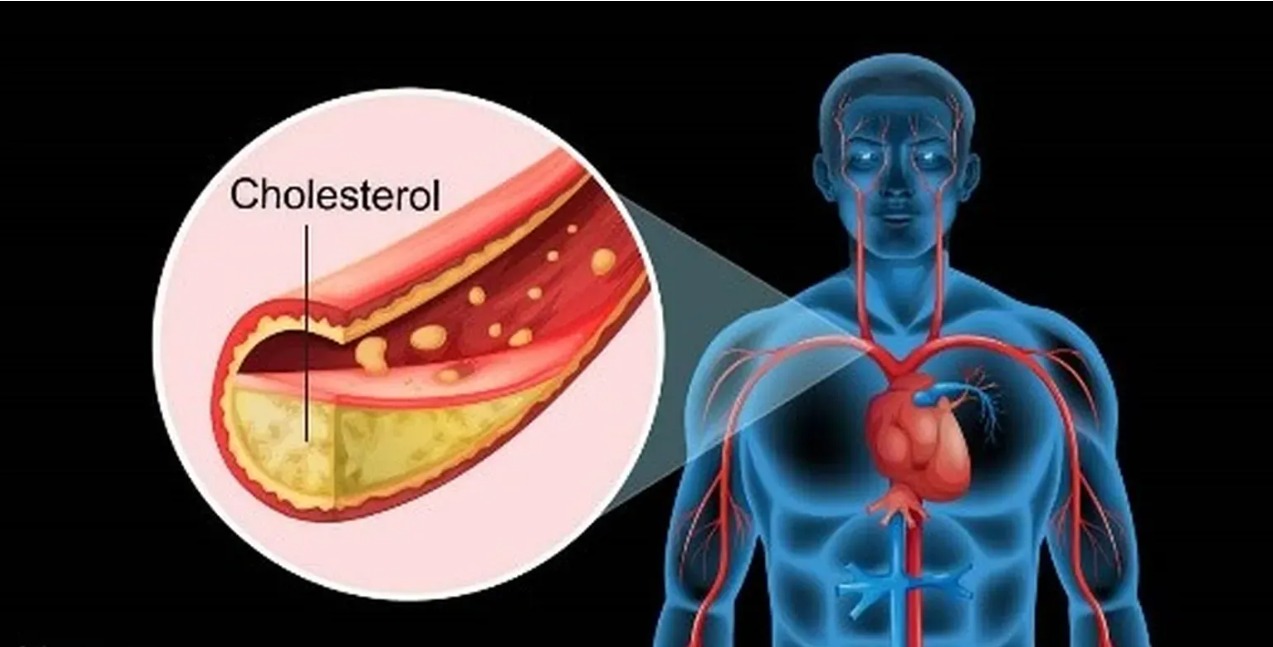
Cholesterol is a waxy substance found in your blood that plays an important role in building healthy cells. However, when cholesterol levels become too high, they can increase your risk of heart disease, stroke, and other cardiovascular conditions. High cholesterol often develops without symptoms, making regular screenings essential for protecting your heart health.

If you live in Lakewood, CA, or nearby communities such as Long Beach, Cerritos, Bellflower, Paramount, or Downey, understanding your cholesterol levels is one of the most effective steps you can take to reduce your risk of heart disease.

What Is Cholesterol?

Your body needs cholesterol to produce hormones, vitamin D, and substances that help digest food. Cholesterol travels through your bloodstream attached to proteins called lipoproteins.

There are two main types of cholesterol:

LDL (Low-Density Lipoprotein)

Often referred to as “bad cholesterol,” LDL can build up inside your arteries, creating plaque that restricts blood flow to your heart and brain.

HDL (High-Density Lipoprotein)

Known as “good cholesterol,” HDL helps remove excess cholesterol from your bloodstream, reducing your risk of cardiovascular disease.

Why High Cholesterol Is Dangerous

Over time, excess cholesterol can narrow your arteries, making it harder for blood to circulate. This process, known as atherosclerosis, significantly increases the risk of:

  • Heart attacks
  • Stroke
  • Peripheral artery disease
  • Coronary artery disease

Because plaque builds slowly, many people don’t realize they have high cholesterol until a serious cardiac event occurs.

Risk Factors for High Cholesterol

Several lifestyle and genetic factors can contribute to unhealthy cholesterol levels, including:

  • Diet high in saturated fats
  • Lack of physical activity
  • Smoking
  • Obesity
  • Diabetes
  • Family history
  • Aging
How to Lower Your Cholesterol

Improving cholesterol levels often starts with healthy lifestyle changes.

Eat Heart-Healthy Foods

Choose foods rich in fiber, vegetables, fruits, whole grains, nuts, and lean proteins while limiting processed foods and saturated fats.

Stay Active

Aim for at least 30 minutes of moderate exercise most days of the week.

Maintain a Healthy Weight

Even modest weight loss can improve cholesterol levels and reduce cardiovascular risk.

Stop Smoking

Quitting smoking improves HDL cholesterol while lowering your overall heart disease risk.

Why Regular Cholesterol Screenings Matter

Routine cholesterol testing helps detect problems before symptoms develop. Your cardiologist can evaluate your results and recommend lifestyle modifications or medications if necessary.

Personalized Cardiology Care in Lakewood, CA

At Premier Choice Cardiology, we provide comprehensive cardiovascular evaluations, cholesterol management, and preventive heart care for patients throughout Lakewood and surrounding communities. Our goal is to help patients reduce their cardiovascular risk through early detection and personalized treatment plans.

Schedule Your Heart Health Assessment

If you haven’t had your cholesterol checked recently, now is the perfect time. Contact Premier Choice Cardiology to schedule a cardiovascular evaluation and take the next step toward a healthier heart.

How High Blood Pressure Can Impact Your Heart Health

High blood pressure, also known as hypertension, affects nearly half of American adults and is one of the leading risk factors for heart disease. Because it often develops without noticeable symptoms, hypertension is commonly referred to as the “silent killer.”

For residents of Lakewood, CA, and nearby communities, understanding the effects of high blood pressure can help prevent serious cardiovascular complications and improve long-term health outcomes.

What Is High Blood Pressure?

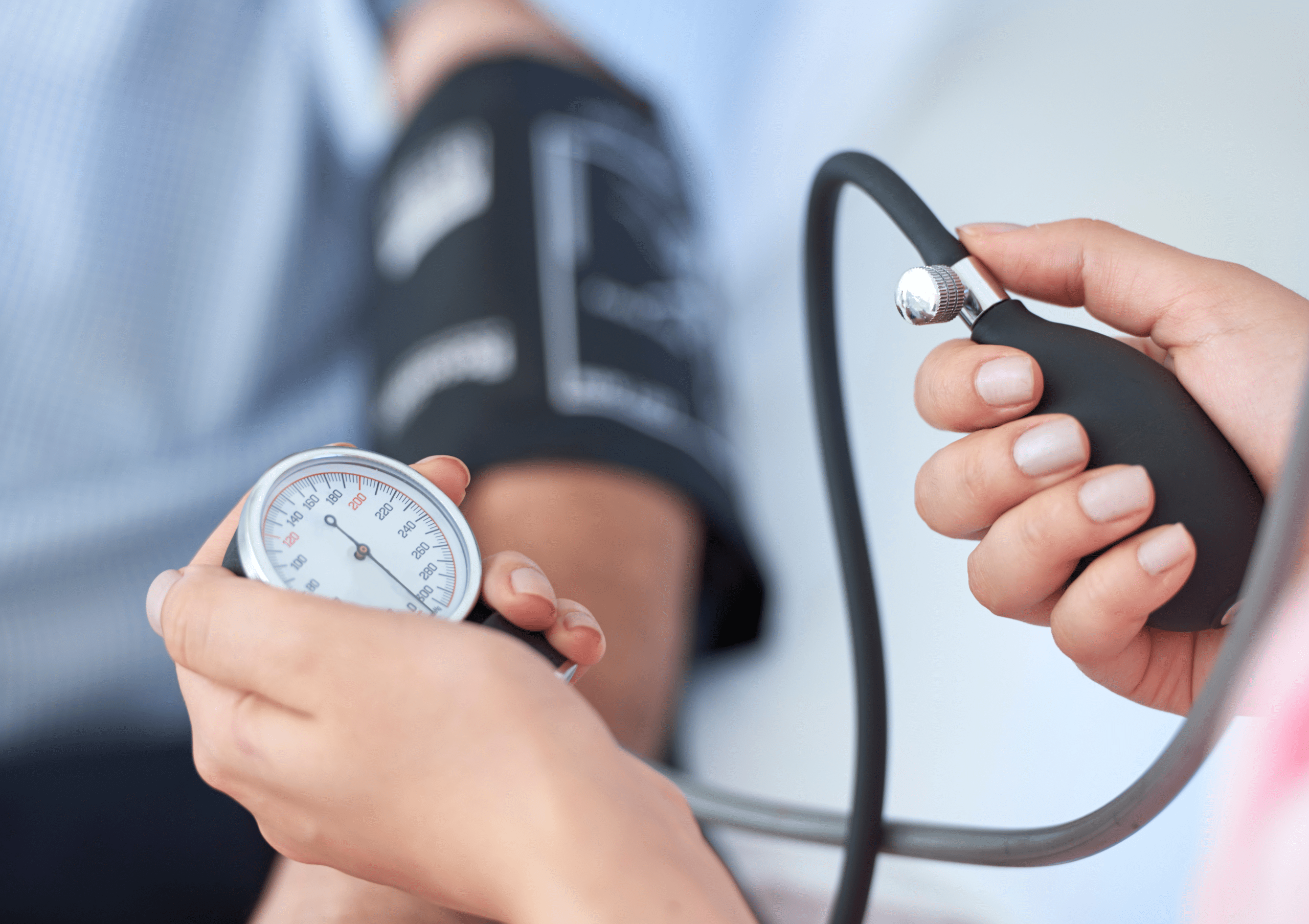
Blood pressure measures the force of blood pushing against the walls of your arteries. When this pressure remains consistently elevated, your heart must work harder to circulate blood throughout your body.

Over time, this extra strain can damage both the heart and blood vessels.

Why High Blood Pressure Is Dangerous

Uncontrolled hypertension can contribute to several serious health conditions, including:

Heart Attack

High blood pressure accelerates the buildup of plaque inside the arteries, increasing the risk of blocked blood flow to the heart.

Stroke

Damaged blood vessels are more likely to rupture or become blocked, leading to strokes.

Heart Failure

The heart can become enlarged and weakened due to the constant effort required to pump against elevated pressure.

Kidney Disease

Hypertension can damage the blood vessels that supply the kidneys.

Common Risk Factors for Hypertension

Several factors increase the likelihood of developing high blood pressure:

  • Family history
  • Obesity
  • Smoking
  • High-sodium diets
  • Physical inactivity
  • Chronic stress
  • Diabetes
  • Increasing age

Symptoms Often Go Unnoticed

Most people with hypertension experience no symptoms. However, severe cases may cause:

  • Headaches
  • Shortness of breath
  • Chest discomfort
  • Blurred vision
  • Fatigue

Because symptoms often appear late, routine screenings are essential.

How to Lower High Blood Pressure Naturally

Lifestyle changes can significantly improve blood pressure levels.

Maintain a Healthy Diet

Choose foods rich in:

  • Fruits
  • Vegetables
  • Whole grains
  • Lean proteins
  • Healthy fats
Exercise Regularly

Aim for at least 150 minutes of moderate physical activity per week.

Reduce Sodium Intake

Limiting processed foods can help lower blood pressure and improve heart health.

Manage Stress

Meditation, relaxation techniques, and quality sleep can positively impact cardiovascular health.

When to See a Cardiologist

You should consider seeing a cardiologist if:

  • Your blood pressure remains elevated despite treatment.
  • You have multiple cardiovascular risk factors.
  • You have a family history of heart disease.
  • You experience symptoms such as chest pain or shortness of breath.

Comprehensive Hypertension Management in Lakewood, CA

At Premier Choice Cardiology, we provide personalized evaluations, advanced diagnostic testing, and customized treatment plans to help patients effectively manage high blood pressure and reduce cardiovascular risks.

Protect Your Heart for the Future

Managing blood pressure today can significantly reduce the risk of heart attacks, strokes, and heart failure tomorrow. Routine monitoring and professional cardiovascular care remain key components of long-term heart health.

Contact Premier Choice Cardiology to schedule a consultation and take the next step toward better cardiovascular wellness.

Heart Palpitations: When Should You Be Concerned?

Have you ever felt like your heart was racing, fluttering, skipping a beat, or pounding unexpectedly? These sensations are known as heart palpitations and are one of the most common reasons patients seek cardiovascular care. While many palpitations are harmless, others can indicate an underlying heart condition that requires medical attention.

If you live in Lakewood, CA, or nearby communities such as Long Beach, Bellflower, Cerritos, Paramount, or Downey, understanding when heart palpitations are normal and when they require evaluation can help protect your long-term heart health.

What Are Heart Palpitations?

Heart palpitations are sensations that make you unusually aware of your heartbeat. You may feel:

  • A racing heartbeat
  • Fluttering in your chest
  • Skipped beats
  • Rapid pounding
  • Irregular heart rhythm

Palpitations may occur during activity, while resting, or even while sleeping.

Common Causes of Heart Palpitations

Many factors can trigger palpitations, including:

Stress and Anxiety

Emotional stress causes the body to release hormones that can temporarily increase heart rate.

Caffeine Consumption

Coffee, energy drinks, and certain supplements can stimulate the heart and cause palpitations.

Lack of Sleep

Poor sleep habits can affect heart rhythm and increase cardiovascular stress.

Dehydration

Even mild dehydration can cause your heart to work harder than normal.

Certain Medications

Some cold medicines, asthma inhalers, and weight-loss products may trigger irregular heartbeats.

When Palpitations May Signal a Heart Problem

Although many cases are harmless, you should seek medical evaluation if palpitations are accompanied by:

  • Chest pain
  • Shortness of breath
  • Dizziness
  • Fainting
  • Extreme fatigue
  • Family history of heart disease

These symptoms could indicate an arrhythmia or another cardiovascular condition.

How a Cardiologist Diagnoses Heart Palpitations

At Premier Choice Cardiology, diagnostic testing may include:

  • Electrocardiogram (EKG)
  • Holter monitoring
  • Echocardiogram
  • Stress testing
  • Blood pressure evaluation

These tests help identify whether your symptoms are related to an underlying heart condition.

Preventing Heart Palpitations

You may reduce episodes by:

  • Limiting caffeine intake
  • Staying hydrated
  • Managing stress
  • Exercising regularly
  • Getting adequate sleep
  • Following your doctor’s recommendations

Expert Cardiology Care in Lakewood, CA

If you’re experiencing frequent heart palpitations, don’t ignore the symptoms. Early evaluation can help identify potential heart rhythm disorders before they become serious. Premier Choice Cardiology proudly serves patients throughout Lakewood and surrounding communities with comprehensive cardiovascular care and personalized treatment plans.

Schedule Your Evaluation Today

Whether your symptoms are occasional or frequent, consulting a cardiologist can provide peace of mind and ensure your heart remains healthy for years to come.

How to Prevent Heart Disease: A Complete Guide for Adults

Heart disease affects millions of Americans every year, but many cardiovascular conditions can be prevented through healthy lifestyle choices and regular medical care. Whether you live in Lakewood, CA, or nearby communities, taking proactive steps today can significantly reduce your future risk.

Maintain a Heart-Healthy Diet

Nutrition plays a major role in cardiovascular health. Focus on:

  • Fresh fruits and vegetables
  • Whole grains
  • Lean proteins
  • Healthy fats such as olive oil and avocados
  • Low-sodium foods

Reducing processed foods, sugary drinks, and excessive saturated fats can help protect your heart.

Stay Physically Active

The American Heart Association recommends at least 150 minutes of moderate exercise each week. Activities such as walking, cycling, swimming, and light jogging can improve circulation and strengthen the heart.

Monitor Your Blood Pressure

High blood pressure is often called the “silent killer” because it may not cause noticeable symptoms. Routine screenings help detect issues before they become serious.

Manage Cholesterol Levels

High cholesterol can contribute to plaque buildup inside the arteries. Regular blood tests and proper treatment plans can help maintain healthy cholesterol levels.

Quit Smoking

Smoking significantly increases the risk of heart attacks, strokes, and other cardiovascular diseases. Quitting smoking provides immediate and long-term benefits for heart health.

Control Stress

Chronic stress may contribute to high blood pressure and unhealthy habits. Practicing relaxation techniques, maintaining social connections, and getting adequate sleep can support overall cardiovascular wellness.

Schedule Regular Cardiology Checkups

Routine heart screenings can identify risk factors before symptoms appear. Preventive cardiology is one of the most effective ways to protect your cardiovascular health.

Heart Care Services in Lakewood

Premier Choice Cardiology offers comprehensive heart health evaluations, cardiovascular risk assessments, diagnostic testing, and preventive care services for patients throughout Lakewood and surrounding areas.

Take Control of Your Heart Health Today

Preventing heart disease starts with small, consistent actions. Schedule a consultation with Premier Choice Cardiology and learn how a personalized prevention plan can help you maintain a healthier future.

Top 7 Warning Signs You Should See a Cardiologist

Heart disease remains one of the leading health concerns in the United States. While many people ignore early symptoms, recognizing the warning signs can help prevent serious complications. If you live in Lakewood, CA, or nearby communities, understanding when to seek professional cardiac care is essential for maintaining your long-term health.

1. Chest Pain or Discomfort

Chest pain is one of the most common symptoms associated with heart problems. It may feel like pressure, squeezing, fullness, or pain in the center of your chest. While not all chest pain indicates a heart condition, recurring discomfort should always be evaluated by a cardiologist.

2. Shortness of Breath

Difficulty breathing during daily activities or while resting can indicate an underlying cardiovascular issue. Conditions such as heart failure or coronary artery disease often cause shortness of breath.

3. High Blood Pressure

Uncontrolled high blood pressure can damage your heart and blood vessels over time. Regular monitoring and professional management are crucial to reducing your risk of heart disease.

4. Irregular Heartbeat

Feeling your heart race, flutter, or skip beats may indicate an arrhythmia. While some irregular heart rhythms are harmless, others require medical evaluation and treatment.

5. Persistent Fatigue

Extreme tiredness that cannot be explained by lifestyle factors may be a warning sign of reduced heart function. Many patients experience fatigue weeks or months before a cardiac event.

6. Swelling in the Legs or Feet

Fluid retention in the lower extremities can be linked to heart failure or circulation problems. If swelling persists, it is important to seek medical advice.

7. Family History of Heart Disease

Even without symptoms, individuals with a family history of cardiovascular disease should schedule regular cardiac evaluations to identify risk factors early.

Why Early Cardiac Care Matters

Preventive cardiology plays a vital role in reducing the risk of heart attacks, strokes, and other cardiovascular complications. Early diagnosis allows patients to make lifestyle changes and receive treatments before conditions become severe.

Trusted Cardiology Care in Lakewood

At Premier Choice Cardiology, we provide comprehensive cardiovascular evaluations, preventive heart care, and personalized treatment plans for patients throughout Lakewood and surrounding communities. Our goal is to help patients achieve better heart health through early detection and expert care.

Schedule Your Heart Health Evaluation

If you are experiencing any of these symptoms or have concerns about your heart health, contact Premier Choice Cardiology today to schedule a consultation with an experienced cardiology specialist in Lakewood, CA.

Managing Complications in Cardiac Catheterization

cardiac catheterization


In this comprehensive guide on managing complications in cardiac catheterization, learn how to navigate potential risks and ensure successful outcomes for patients. Get expert insights and tips from Premier Choice Cardiology.

Introduction

Navigating the complexities of cardiac catheterization requires expertise and diligence to manage potential complications effectively. At Premier Choice Cardiology, we prioritize patient safety and optimal outcomes. In this guide, we delve into strategies for addressing complications that may arise during cardiac catheterization procedures.

Cardiac Catheterization: Understanding the Procedure

In cardiac catheterization, a thin tube (catheter) is inserted into a blood vessel to diagnose or treat various heart conditions. It allows doctors to visualize the heart’s anatomy, measure pressures, and perform interventions if necessary.

Identifying Complications Early

During cardiac catheterization, complications can arise at any stage of the procedure. It’s crucial for healthcare providers to remain vigilant and monitor patients closely for any signs of distress or adverse reactions. Early identification of complications allows for prompt intervention, minimizing potential risks and improving patient outcomes.

Hemorrhage Management

Hemorrhage, or excessive bleeding, is a common complication associated with cardiac catheterization. It typically occurs at the site where the catheter was inserted into the blood vessel. Healthcare providers must be prepared to address hemorrhage promptly to prevent complications such as hypovolemic shock or hematoma formation.

Vascular Complications: Navigating Vessel Injury

In some cases, cardiac catheterization can lead to vascular injury, including arterial dissection or perforation. These injuries require immediate attention to prevent further damage and ensure patient safety. Interventional radiology techniques, such as embolization, may be necessary to manage severe vascular complications effectively.

Managing Arrhythmias

Arrhythmias, abnormal heart rhythms, can occur during or after cardiac catheterization. These may manifest as tachycardia, bradycardia, or atrial fibrillation. Healthcare providers must be prepared to administer appropriate medications or perform cardioversion to restore normal heart rhythm and prevent hemodynamic instability.

Contrast-Induced Nephropathy (CIN) Prevention

Contrast-induced nephropathy is a potential complication associated with the use of contrast dye during cardiac catheterization. Patients with pre-existing renal impairment are at higher risk. Healthcare providers can minimize the risk of CIN by ensuring adequate hydration, using low-osmolar contrast agents, and avoiding nephrotoxic medications.

Infection Control Protocols

Infection at the catheter insertion site poses a significant risk to patients undergoing cardiac catheterization. Strict adherence to aseptic technique during the procedure, along with the timely administration of prophylactic antibiotics, helps reduce the incidence of catheter-related infections. Healthcare providers must also educate patients on proper wound care to prevent infections post-procedure.

Allergic Reactions to Contrast Material

Some patients may experience allergic reactions to the contrast dye used in cardiac catheterization. These reactions can range from mild skin rashes to severe anaphylaxis. Healthcare providers must obtain a detailed medical history and assess the patient’s risk factors for allergic reactions before administering contrast dye. In cases of known allergy, pre-medication with antihistamines and corticosteroids may be warranted.

Stroke Prevention Strategies

Catheterization procedures carry a small risk of stroke. Careful patient selection, cerebral protection devices, and anticoagulant therapies help minimize this risk.

Patient Education and Informed Consent

Educating patients about potential complications and obtaining informed consent are vital aspects of cardiac catheterization. Clear communication fosters trust and empowers patients to participate in their care.

Follow-Up Care and Monitoring

After catheterization, diligent follow-up care and monitoring are essential. Close observation allows for early detection of complications and ensures timely intervention if needed.

Recovery and Rehabilitation

Supporting patients through the recovery process is crucial for optimizing outcomes. Rehabilitation programs and lifestyle modifications promote healing and reduce the risk of future complications.

FAQs

What are the common complications of cardiac catheterization?

Complications can include bleeding, vascular injury, arrhythmias, contrast-induced nephropathy, infection, allergic reactions, and stroke.


How are bleeding complications managed?

Bleeding complications are typically managed with pressure application, hemostatic agents, and occasionally, surgical intervention.


What measures can prevent contrast-induced nephropathy?

Hydration and prophylactic medications help reduce the risk of contrast-induced nephropathy.


Are there any alternatives to manual compression for vascular closure?

Yes, vascular closure devices offer an alternative to manual compression for achieving hemostasis.


How can patients minimize their risk of complications?

Following pre-procedural instructions, including fasting and medication adjustments, can help minimize the risk of complications.


What should patients expect during the recovery period?

Patients can expect some soreness and bruising at the catheter insertion site, which typically resolves within a few days. It’s essential to follow post-procedural instructions provided by healthcare providers.


Expert Strategies for Optimal Patient Care

Successfully managing complications in cardiac catheterization requires a combination of expertise, vigilance, and patient-centered care. By implementing strategies for early identification and intervention, healthcare providers can ensure optimal outcomes for patients undergoing these procedures. Book your appointment now!

Effective Medications for Peripheral Arterial Disease (PAD)

Peripheral Arterial Disease
 

Welcome to Premier Choice Cardiology, your trusted partner in cardiovascular health. Peripheral Arterial Disease (PAD) is a common concern among many of our patients, and we understand the importance of effective medication management in controlling this condition. Let’s embark on a journey together to explore the world of PAD medications and how they can make a difference in your life.

Understanding PAD Medications

Antiplatelet Agents

At Premier Choice Cardiology, we prioritize your vascular health, and antiplatelet agents play a crucial role in achieving that goal. These medications prevent blood clots from forming, ensuring optimal blood flow to your limbs.

Aspirin

Aspirin is a household name in cardiovascular care, and for good reason. As a cornerstone of PAD treatment, it reduces the risk of clot formation, protecting your arteries and preserving your mobility.

At Premier Choice Cardiology, we advocate for proactive measures to safeguard your vascular well-being. With aspirin as part of your personalized treatment plan, you can rest assured knowing that your arteries are shielded from the threat of clots, allowing you to continue living life to the fullest.

Statins

Cholesterol management is another vital aspect of PAD care, and statin medications excel in this area. By lowering LDL cholesterol levels, they prevent plaque buildup in your arteries, promoting long-term vascular health.

Atorvastatin (Lipitor)

Lipitor, a trusted ally in the fight against high cholesterol, offers tangible benefits for PAD patients. Through its cholesterol-lowering effects, it not only reduces the risk of cardiovascular events but also slows the progression of atherosclerosis.

At Premier Choice Cardiology, we recognize the importance of comprehensive PAD management. With Lipitor as part of your treatment regimen, you can take proactive steps towards preserving your vascular health and enjoying a higher quality of life.

Combination Therapies for Optimal Results

Dual Antiplatelet Therapy

In some cases, a combination approach yields the best results in PAD management. Dual antiplatelet therapy combines the strengths of two medications to provide enhanced protection against clot formation.

Clopidogrel (Plavix) + Aspirin

Clopidogrel and aspirin, when used together, form a formidable defense against thrombotic events in PAD patients. This combination therapy, endorsed by leading cardiovascular experts, ensures comprehensive vascular protection.

At Premier Choice Cardiology, we believe in leveraging the latest advancements in cardiovascular medicine to optimize patient outcomes. By incorporating dual antiplatelet therapy into your treatment plan, we empower you to take control of your vascular health and embrace life without limitations.

Managing Side Effects and Considerations

Side Effects

While the benefits of PAD medications are undeniable, it’s essential to be mindful of potential side effects and take proactive steps to mitigate them.

Bleeding Risk

Antiplatelet medications like aspirin and clopidogrel carry a risk of increased bleeding, necessitating careful monitoring and open communication with your healthcare provider.

At Premier Choice Cardiology, your safety and well-being are our top priorities. We work closely with you to minimize the risk of adverse effects associated with PAD medications, ensuring that your treatment plan is tailored to your individual needs and concerns.

FAQs (Frequently Asked Questions)

What are the common side effects of statin medications like atorvastatin?

Statin medications may cause muscle pain, liver enzyme abnormalities, and gastrointestinal discomfort in some individuals. However, these side effects are typically mild and reversible, and most patients tolerate statin therapy well.

Can I take aspirin if I have a history of gastrointestinal ulcers?

Individuals with a history of gastrointestinal ulcers should consult their healthcare provider before taking aspirin, as it may increase the risk of bleeding and exacerbate ulcer symptoms. Alternative medications may be recommended in such cases.

How long do I need to take medications for PAD?

The duration of medication therapy for PAD varies depending on individual factors such as disease severity, risk factors, and treatment response. In most cases, medications are prescribed long-term to manage symptoms and reduce the risk of complications.

Are there any dietary restrictions while taking statin medications?

While taking statin medications, it’s essential to follow a heart-healthy diet low in saturated fats and cholesterol. Avoiding excessive alcohol consumption and maintaining a healthy weight can also enhance the effectiveness of statin therapy.

Can I stop taking my medications if my PAD symptoms improve?

It’s crucial to follow your healthcare provider’s recommendations regarding medication therapy for PAD. Stopping medications abruptly can increase the risk of cardiovascular events and worsen PAD symptoms. Always consult your doctor before making any changes to your treatment plan.

What should I do if I miss a dose of my PAD medication?

If you forget to take a dose of your PAD medication, take it as soon as you remember. However, if it’s almost time for your next scheduled dose, skip the missed dose and resume your regular dosing schedule. Avoid taking double doses to make up for missed ones.

Personalized Care for PAD Patients at Premier Choice Cardiology

At Premier Choice Cardiology, we’re dedicated to providing comprehensive, patient-centered care for individuals with PAD. Through personalized treatment plans, including effective medications and lifestyle modifications, we empower our patients to take control of their vascular health and live life to the fullest. Book your appointment now with the  best cardiologist.

Transformative Lifestyle for Heart Health

Lifestyle for Heart Health


Welcome to a journey toward a healthier heart and lifestyle! In this article, we delve into transformative lifestyle changes that can significantly impact your heart health.
Dr. Tanveer Ahmad, MD, from Premier Choice Cardiology, guides us through expert insights, combining medical expertise with practical tips for your well-being.

Embracing a Healthier Lifestyle

The Key to Heart Health

Step into  the path to heart wellness by understanding the importance of lifestyle changes. Dr. Tanveer Ahmad emphasizes the pivotal role lifestyle plays in maintaining cardiovascular health.

Small Steps, Big Impact

Discover simple yet powerful changes that can make a profound difference. From dietary adjustments to incorporating exercise, every small step contributes to a healthier heart.

User’s Personal Touch

The Journey of Dr. Tanveer Ahmad, MD

Gain inspiration from Dr. Tanveer Ahmad’s journey. His commitment to cardiac care reflects in both his professional and personal life, creating a positive impact on countless individuals.

Integrating Expertise with Compassion

Explore how Dr. Ahmad seamlessly integrates medical expertise with genuine compassion. His personalized approach to patient care sets the standard for transformative heart health.

Lifestyle Changes: A Holistic Approach

Nutrition Matters

Fuel your heart with the right nutrients. Dr. Ahmad recommends a heart-healthy diet rich in fruits, vegetables, and lean proteins. Discover the impact of nutrition on your cardiovascular well-being.

Balancing Act: Smart Eating for a Healthy Heart

Learn the art of balancing your diet. Dr. Ahmad guides you through mindful food choices, helping you achieve a well-rounded and heart-friendly nutrition plan.

Exercise for Heart Happiness

Exercise isn’t just about the body; it’s about the heart. Uncover the joys of staying active and its direct connection to heart health. Dr. Ahmad shares insights on crafting an exercise routine that suits your lifestyle.

Making It Fun: Find Your Exercise Passion

Discover how to turn exercise from a chore into a joyful experience. Dr. Ahmad advocates for finding activities you love, ensuring a sustainable and enjoyable fitness journey.

Premier Choice Cardiology’s Commitment

The Heart-Centric Approach

Premier Choice Cardiology, led by Dr. Tanveer Ahmad, stands as a beacon of heart-centric healthcare. Learn about their commitment to excellence, cutting-edge treatments, and patient-centric care.

Beyond Treatment: Partnering in Heart Health

Explore how Premier Choice Cardiology goes beyond traditional healthcare. Dr. Ahmad’s team becomes your partner in heart health, offering support and guidance at every step.

FAQs: Your Heart Health Queries Answered

How Can Lifestyle Changes Improve Heart Health?

Unlock the secrets behind lifestyle changes and their impact on heart health. Dr. Ahmad provides valuable insights into the transformative journey toward a healthier heart.

Are Quick Fixes Effective for Heart Health?

Dr. Ahmad debunks myths and emphasizes the significance of sustainable lifestyle changes over quick fixes. Understand why long-term commitment yields lasting results.

Is it Necessary to Consult a Cardiologist for Lifestyle Changes?

Learn why consulting a cardiologist, like Dr. Tanveer Ahmad, is crucial for personalized heart health recommendations. Discover the benefits of expert guidance tailored to your unique needs.

Can Diet Alone Make a Difference?

Explore the role of nutrition in heart health. Dr. Ahmad elaborates on how dietary choices contribute significantly and explains the importance of a holistic approach.

How Does Stress Impact Heart Health?

Uncover the connection between stress and heart health. Dr. Ahmad sheds light on managing stress effectively, offering practical tips for a balanced and harmonious life.

Is Premier Choice Cardiology’s Approach Different?

Discover what sets Premier Choice Cardiology apart in their approach to heart health. Dr. Ahmad explains the unique aspects of their patient-centric care and commitment to excellence.

Exploring Additional Insights for a Healthier Heart

Mindfulness in Heart Health

Delve into the profound impact of mindfulness on heart health. Dr. Ahmad advocates for practices that promote mental well-being, ultimately contributing to a healthier heart.

Stress Reduction Techniques

Discover effective stress reduction techniques recommended by Dr. Ahmad. From meditation to deep breathing exercises, find practical ways to manage stress and enhance your heart health.

Quality Sleep: A Heart’s Best Friend

Uncover the connection between quality sleep and heart health. Dr. Ahmad emphasizes the importance of a good night’s sleep and offers tips for creating a sleep-friendly environment.

Establishing Healthy Sleep Habits

Explore actionable steps to improve your sleep hygiene. Dr. Ahmad provides insights into creating a bedtime routine and optimizing your sleep environment for maximum cardiovascular benefits.


Your Heart Deserves the Best

In conclusion, prioritize your heart’s well-being through transformative lifestyle changes. Dr. Tanveer Ahmad and Premier Choice Cardiology stand ready to guide you on this journey toward a healthier and happier heart.

Warning Signs of a Heart Attack!

Signs of a Heart Attack


Welcome to a comprehensive guide on recognizing the warning signs of a heart attack. At
Premier Choice Cardiology, we prioritize your heart health. In this article, we’ll explore the subtle indicators that your heart might be sending you. Tanveer Ahmad, MD, FACC, our esteemed cardiologist, lends his expertise to ensure you understand the importance of early detection.

Identifying the Silent Threats

Chest Discomfort

A cornerstone symptom of a heart attack is chest discomfort. It can manifest as pressure, squeezing, or fullness. Tanveer Ahmad, MD, FACC, emphasizes that this sensation might last for a few minutes or come and go.

Shortness of Breath

Linked to heart issues, difficulty breathing can be a subtle sign. It’s crucial to pay attention to any unexplained breathlessness, even without chest pain.

Radiating Pain

Pain may not be confined to the chest. It can extend to the arms, back, neck, jaw, or stomach. Tanveer Ahmad, MD, FACC, urges individuals to be aware of any unusual pain patterns.

Cold Sweats and Dizziness

Unexpected cold sweats and dizziness can be indicative of a heart problem. Tanveer Ahmad, MD, FACC, highlights the importance of not dismissing these signs, especially when they occur suddenly.

Tanveer Ahmad, MD, FACC’s Insights

Understanding Heart Attack Risk Factors

Tanveer Ahmad, MD, FACC, sheds light on common risk factors such as age, family history, smoking, and high blood pressure. Recognizing these factors can contribute to proactive heart health.

Healthy Lifestyle Choices

Incorporating regular exercise and a balanced diet can significantly reduce the risk of heart attacks. Tanveer Ahmad, MD, FACC, advocates for lifestyle changes as a proactive measure.

Regular Heart Check-ups

Routine check-ups play a pivotal role in maintaining heart health. Tanveer Ahmad, MD, FACC, recommends regular visits to identify potential issues before they escalate.

FAQs

What role does age play in heart attack risk?

As age increases, the risk of heart attacks rises. However, younger individuals with risk factors should also be vigilant.

Can women experience different symptoms?

Yes, women may exhibit symptoms like nausea and fatigue. It’s essential to recognize diverse signs.

Is chest pain always present during a heart attack?

No, chest pain may be absent. Shortness of breath, cold sweats, and fatigue can still indicate a heart attack.

How can I differentiate between heartburn and a heart attack?

Persistent symptoms, radiating pain, and accompanying signs like dizziness suggest a heart attack. If in doubt, seek medical attention.

What lifestyle changes can prevent heart attacks?

Regular exercise, a heart-healthy diet, and stress management contribute to a lower risk of heart attacks.

How often should I get a heart check-up?

Annual check-ups are advisable, but individuals with risk factors may need more frequent assessments.

Taking Control of Your Heart Health

Stress Management

Chronic stress can contribute to heart issues. Tanveer Ahmad, MD, FACC, recommends incorporating stress-reducing activities such as meditation and yoga into your routine.

Importance of Sleep

Adequate sleep is crucial for heart health. Poor sleep patterns can increase the risk of heart attacks. Tanveer Ahmad, MD, FACC, advises maintaining a consistent sleep schedule.

Impact of Diet on Heart Health


Processed foods, high in saturated fats and cholesterol, can escalate heart risks. Tanveer Ahmad, MD, FACC, emphasizes a diet rich in fruits, vegetables, and lean proteins for optimal heart health.
Lifestyle Modifications for a Healthy Heart

Regular Exercise Routine

Engaging in regular physical activity not only helps in weight management but also strengthens the heart. Tanveer Ahmad, MD, FACC, suggests incorporating at least 30 minutes of moderate exercise into your daily routine.

Quit Smoking

Smoking is a significant risk factor for heart attacks. Tanveer Ahmad, MD, FACC, advocates for quitting smoking to improve heart health. Seek support from smoking cessation programs if needed.

Limiting Alcohol Intake

Excessive alcohol consumption can contribute to heart issues. Tanveer Ahmad, MD, FACC, recommends moderate alcohol consumption for those who choose to drink.

Recognizing Warning Signs and Seeking Timely Intervention

In conclusion, understanding the warning signs of a heart attack is paramount for timely intervention. Tanveer Ahmad, MD, FACC, and Premier Choice Cardiology are dedicated to your heart health. Stay vigilant, prioritize preventive measures, and consult our expert for personalized guidance.

Exploring Carotid Ultrasound’s Role in Maintaining Vascular Health

Carotid Ultrasound
 

Welcome to Premier Choice Cardiology, your dedicated ally in the journey towards optimal cardiovascular health. In this in-depth exploration of Carotid Ultrasound, we delve into the intricacies of this diagnostic procedure, offering a holistic understanding of its impact on your vascular well-being. Join us as we unfold the layers of knowledge that empower you to take charge of your heart health.

Unlocking Vascular Insights with Carotid Ultrasound

Carotid ultrasound serves as a pivotal gateway, providing a non-invasive and detailed glimpse into the health of the carotid arteries. These arteries, positioned in the neck, play a critical role in supplying blood to the brain. Our commitment to cutting-edge technology ensures that this diagnostic procedure goes beyond routine examinations, offering a comprehensive view of vascular health.

Navigating Vascular Terrain with Cutting-Edge Technology

At Premier Choice Cardiology, we take pride in our commitment to technological excellence. Our state-of-the-art ultrasound technology allows our experienced professionals to navigate the intricate vascular terrain with precision. This not only aids in early detection but also empowers you with a proactive approach to managing potential vascular risks.

Comprehensive Imaging for Informed Decision-Making

Delve into the world of comprehensive imaging, where every aspect of your vascular health is scrutinized. Our commitment to providing detailed insights enables you to make informed decisions about your well-being, ensuring a tailored approach to cardiovascular care.

Promoting Preventive Care through Carotid Health

At Premier Choice Cardiology, we advocate for the power of preventive care. Understanding your carotid health becomes a cornerstone for implementing personalized strategies to mitigate potential risks and enhance overall well-being.

Proactive Measures for Cardiovascular Wellness

Embark on a journey of proactive cardiovascular wellness. Discover how insights from carotid ultrasound can guide you towards a heart-healthy lifestyle. Prevention, we believe, is the key to lasting well-being, and our experts are here to guide you every step of the way.

Tailored Strategies for Individual Needs

No two individuals are alike, and neither are their cardiovascular needs. Explore how our approach to preventive care involves tailoring strategies based on your unique health profile, ensuring a personalized roadmap to optimal well-being.

What to Expect During Carotid Ultrasound

Curious about the carotid ultrasound procedure? Let’s take a detailed look at what you can expect when you choose Premier Choice Cardiology for this enlightening diagnostic journey.

Patient-Friendly Carotid Ultrasound Experience

Ease any apprehensions as we guide you through a patient-friendly carotid ultrasound experience. From the moment you step into our facility, our skilled professionals prioritize your comfort while delivering accurate results. Discover how our commitment to a seamless patient experience sets us apart.

Decoding Results From Images to Actionable Insights

It’s not just about the images; it’s about translating those images into actionable insights. Explore how our experts interpret the results of your carotid ultrasound, providing you with a clear understanding of your vascular health and potential next steps.

Why Premier Choice Cardiology for Carotid Ultrasound?

Choosing the right healthcare provider is paramount, especially when it comes to a diagnostic procedure as crucial as carotid ultrasound. Here’s why Premier Choice Cardiology stands out in delivering top-notch carotid ultrasound services.

Expertise Beyond Compare

Our team boasts unparalleled expertise in cardiovascular care. When you choose Premier Choice Cardiology for your carotid ultrasound, you’re placing your health in the hands of professionals with a depth of knowledge that goes beyond routine examinations.

Holistic Approach to Patient Care

Experience a holistic approach to patient care that extends beyond the procedure. Our commitment to your well-being encompasses comprehensive support, ensuring you’re informed, comfortable, and empowered throughout your healthcare journey.

The Link Between Carotid Health and Overall Well-Being

Understanding the link between carotid health and overall well-being is not just informative; it’s transformative. Let’s delve into how the insights gained from a carotid ultrasound contribute to your holistic health and quality of life.

Holistic Care Approach at Premier Choice Cardiology

Experience healthcare that goes beyond the surface. Discover how our holistic care approach, rooted in carotid health insights, sets the stage for comprehensive well-being. From dietary recommendations to stress management, we address the interconnected aspects of your health.

Empowering You with Health Education

Knowledge is power. Explore how our commitment to health education empowers you to make informed lifestyle choices, enhancing the positive impact of carotid ultrasound insights on your overall well-being.

FAQs

Can carotid ultrasound detect early signs of stroke?

Absolutely. Carotid ultrasound can identify plaque buildup and blood flow irregularities, offering early detection and preventive measures against strokes.

Is carotid ultrasound a painful procedure?

Not at all. Carotid ultrasound is a non-invasive and painless procedure, ensuring a comfortable experience for patients.

How often should one undergo carotid ultrasound?

Frequency depends on individual health factors. Our experts recommend periodic screenings, especially for those with risk factors such as hypertension or a family history of vascular issues.

Are the results of carotid ultrasound immediate?

Yes, the results are typically available immediately, allowing for prompt evaluation and discussion of any necessary follow-up steps.

Is carotid ultrasound only for those with existing cardiovascular issues?

No, carotid ultrasound is valuable for both preventive screenings and assessing existing cardiovascular concerns.

Does insurance cover carotid ultrasound?

In many cases, insurance does cover carotid ultrasound. Our team can assist in verifying coverage and navigating the financial aspects.

Best Cardiologist
 

Embark on a transformative journey towards optimal cardiovascular health with Premier Choice Cardiology. Our commitment to excellence, coupled with the insights provided by carotid ultrasound, ensures a proactive and personalized approach to your well-being. Sign up now for the best carotid ultrasound services.