Bradycardia: Understanding a Slow Heart Rate and When to Seek Care

Your heart normally beats at a steady rhythm, continuously pumping blood throughout your body. But sometimes the heart beats more slowly than expected. This condition is known as bradycardia.

A slower heart rate is not automatically a sign of a heart problem. For some healthy people, particularly those who are physically active, a lower resting heart rate can be normal. However, when a slow heart rate causes symptoms or is related to an underlying heart condition, it may require medical evaluation.

For people living in Lakewood, CA, understanding the difference between a naturally low heart rate and symptomatic bradycardia can help you know when it may be appropriate to speak with a cardiologist.

What Is Bradycardia?

Bradycardia is a condition in which the heart beats more slowly than expected.

For many adults, a resting heart rate below 60 beats per minute is generally considered slow. However, heart rate varies from person to person, and a number by itself does not necessarily mean that someone has a medical problem.

What matters is whether the slow heart rate is appropriate for that individual and whether it is causing symptoms or affecting the body’s ability to receive adequate blood flow.

A cardiologist in Lakewood, CA can evaluate your heart rhythm and determine whether a slow heart rate requires further investigation.

Is a Low Heart Rate Always a Problem?

Not necessarily.

People who exercise regularly may naturally have a lower resting heart rate because their hearts can pump blood efficiently. A lower heart rate can also occur during sleep.

However, a slow heart rate may be concerning when it is accompanied by symptoms such as dizziness, fainting, weakness, or shortness of breath.

That is why your overall health, symptoms, medications, and heart rhythm should be considered rather than focusing only on the number shown by a smartwatch or blood pressure monitor.

Common Symptoms of Bradycardia

Some people with bradycardia do not experience any symptoms. Others may notice changes in how they feel, particularly during physical activity.

Possible symptoms include:

  • Dizziness or lightheadedness
  • Unusual tiredness
  • Weakness
  • Shortness of breath
  • Difficulty exercising
  • Confusion
  • Fainting or feeling like you may faint
  • Reduced ability to perform normal activities

Symptoms can vary depending on how slow the heart rate is and whether the heart is able to maintain adequate blood flow.

If you experience recurring symptoms, a cardiovascular evaluation may help identify the underlying cause.

What Can Cause a Slow Heart Rate?

There are several possible causes of bradycardia.

Changes in the Heart’s Electrical System

The heart relies on electrical signals to maintain its rhythm. Problems with these signals can cause the heart to beat too slowly.

Certain Medications

Some medications can slow the heart rate. If you develop symptoms after starting or changing a medication, let your healthcare provider know.

Never stop a prescribed medication on your own without discussing it with your healthcare professional.

Age-Related Changes

Changes in the heart’s electrical system can occur as people get older and may contribute to rhythm problems.

Underlying Heart Conditions

Certain cardiovascular conditions can affect the heart’s electrical system and lead to a slower rhythm.

Other Health Conditions

Some non-cardiac health conditions may also affect heart rate. Your healthcare provider can help determine whether an underlying condition may be contributing to the problem.

How Is Bradycardia Diagnosed?

The first step is usually a discussion about your symptoms and medical history.

Your cardiologist may ask when your symptoms occur, whether they happen during physical activity or rest, and whether you are taking medications that could affect your heart rate.

Diagnostic testing may include:

Electrocardiogram (EKG)

An EKG records the electrical activity of your heart and can help identify an abnormal heart rhythm.

Holter Monitoring

If your symptoms come and go, longer-term heart rhythm monitoring may help capture changes that are not present during a short office EKG.

Additional Cardiac Evaluation

Depending on your symptoms and medical history, your cardiologist may recommend additional testing to evaluate your heart’s structure and function.

The appropriate testing depends on your individual situation.

Can Bradycardia Be Treated?

Treatment depends on what is causing the slow heart rate and whether symptoms are present.

Some people may not require specific treatment if their slow heart rate is normal for them and does not cause problems.

If an underlying medical condition or medication is contributing to the slow heart rate, addressing that cause may be part of the treatment approach.

In certain cases involving significant electrical problems in the heart, specialized treatment may be considered.

Your cardiologist can explain the available options after evaluating your individual heart rhythm and overall health.

Bradycardia and Exercise

A low resting heart rate does not automatically mean that you should avoid exercise.

In fact, physically active individuals can naturally have lower resting heart rates.

However, if you experience dizziness, unusual shortness of breath, chest discomfort, weakness, or fainting during exercise, stop the activity and speak with a healthcare professional.

People with known heart rhythm problems should follow their healthcare provider’s recommendations regarding physical activity.

When Should You See a Cardiologist?

Consider scheduling a cardiovascular evaluation if you regularly experience:

  • Dizziness
  • Fainting
  • Unexplained weakness
  • Persistent fatigue
  • Shortness of breath
  • Difficulty exercising
  • A consistently low heart rate accompanied by symptoms

A heart rhythm specialist in Lakewood, CA can evaluate whether your symptoms are related to bradycardia or another cardiovascular condition.

If you experience fainting, severe chest discomfort, severe difficulty breathing, or other sudden serious symptoms, seek immediate emergency medical attention.

Bradycardia Evaluation in Lakewood, CA

Premier Choice Cardiology provides personalized cardiology care in Lakewood, CA, for patients experiencing a variety of cardiovascular and heart rhythm concerns.

If you have noticed an unusually slow heart rate or symptoms that may be associated with a heart rhythm disorder, a professional evaluation can help determine what may be causing the change.

Premier Choice Cardiology serves patients in Lakewood and surrounding communities, including Long Beach, Bellflower, Cerritos, Paramount, and Downey.

Don’t Ignore Persistent Changes in Your Heart Rate

A slow heart rate can be completely normal for some people, but it can also be a sign of an underlying rhythm problem when accompanied by symptoms.

Rather than relying solely on a smartwatch or home monitor, discuss persistent or concerning changes with a qualified healthcare professional. A proper cardiovascular evaluation can provide a clearer understanding of what your heart rate means for your individual health.

If you are concerned about a slow heart rate or are experiencing symptoms such as dizziness, fatigue, or fainting, contact Premier Choice Cardiology in Lakewood, CA to discuss your cardiovascular care needs.

Cardiac Stress Test: What It Is, Why You May Need One, and What to Expect

Your heart may function normally while you are resting, but some cardiovascular problems become more noticeable when your heart has to work harder. A cardiac stress test is a commonly used evaluation that allows healthcare professionals to observe how your heart responds to increased physical demand.

A stress test may be recommended when a healthcare provider wants more information about symptoms such as chest discomfort, shortness of breath, or reduced exercise tolerance. It may also be used when evaluating certain cardiovascular risk factors or monitoring an existing heart condition.

If you are looking for a cardiac stress test in Lakewood, CA, understanding the purpose of this test and what happens during the evaluation can help you feel more prepared.

What Is a Cardiac Stress Test?

A cardiac stress test evaluates how your heart performs when it is working harder than it does at rest.

During a traditional exercise stress test, you may walk on a treadmill or use a stationary exercise machine while your heart rate, rhythm, and other measurements are monitored.

The goal is not simply to see how much exercise you can do. The test can provide your healthcare team with useful information about how your cardiovascular system responds to increased demand.

Why Would a Cardiologist Recommend a Stress Test?

A cardiologist may recommend cardiac stress testing for several different reasons.

Depending on your symptoms and medical history, a stress test may help evaluate:

  • Chest discomfort
  • Shortness of breath during physical activity
  • Unexplained fatigue
  • Reduced exercise capacity
  • Certain abnormal heart test results
  • Possible coronary artery disease
  • Cardiovascular risk in selected patients
  • Changes in an existing heart condition

The decision to perform a stress test depends on your individual circumstances. Not everyone with chest discomfort or cardiovascular risk factors necessarily needs one.

What Happens During an Exercise Stress Test?

Before the test begins, your healthcare team may review your medical history and current symptoms.

You may have monitoring equipment placed on your body so your heart rate and rhythm can be observed during exercise.

You will then gradually increase your activity level, typically by walking on a treadmill or using another exercise device.

Throughout the evaluation, your healthcare team may monitor:

  • Heart rate
  • Heart rhythm
  • Blood pressure
  • Exercise response
  • Symptoms you experience during activity

The test is performed under medical supervision, and your healthcare team can determine when it should be stopped.

What If You Cannot Exercise?

Not every patient is able to exercise sufficiently for a traditional treadmill stress test.

Depending on the patient’s health and the purpose of the evaluation, a healthcare provider may consider a different type of stress testing.

Medication can sometimes be used to increase the heart’s workload when a patient cannot exercise adequately.

Your cardiologist can determine which type of cardiovascular testing is appropriate based on your health, symptoms, and medical history.

Does a Stress Test Diagnose Heart Disease?

A stress test provides information about how your cardiovascular system responds to increased demand. It is not necessarily a standalone test for every type of heart condition.

Your cardiologist may consider stress-test results alongside your symptoms, medical history, physical examination, and other diagnostic information.

In some cases, additional testing may be recommended to better understand your cardiovascular health.

What Should You Tell Your Doctor Before a Stress Test?

Before undergoing cardiac testing, make sure your healthcare team knows about:

  • Medications you take
  • Existing heart conditions
  • Previous heart procedures
  • Diabetes
  • Breathing problems
  • Any recent changes in your symptoms
  • Difficulty exercising

Your healthcare provider may also provide specific instructions regarding medications, food, drinks, or exercise before the test.

Always follow the preparation instructions provided by your medical team.

Who May Benefit From Cardiovascular Evaluation?

A cardiovascular evaluation may be appropriate for people experiencing symptoms that could be related to their heart, as well as individuals with certain cardiovascular risk factors.

Risk factors may include:

  • High blood pressure
  • High cholesterol
  • Diabetes
  • Smoking
  • Obesity
  • Family history of heart disease
  • Previous cardiovascular disease

However, the appropriate testing strategy is different for every patient. A cardiologist in Lakewood, CA can assess your individual situation and determine whether a stress test or another form of evaluation may be appropriate.

Symptoms You Should Not Ignore

Talk to a healthcare professional if you repeatedly experience symptoms such as:

  • Chest discomfort during activity
  • Shortness of breath
  • Unusual fatigue
  • Dizziness
  • Reduced exercise tolerance
  • Heart palpitations

These symptoms can have many possible causes, but recurring or unexplained symptoms deserve appropriate medical evaluation.

If you experience severe or sudden chest pain, severe difficulty breathing, fainting, or other emergency symptoms, seek immediate emergency medical attention.

Cardiac Stress Testing in Lakewood, CA

Premier Choice Cardiology provides comprehensive cardiovascular care in Lakewood, CA, for patients with a variety of heart health concerns.

If you have symptoms that may require cardiovascular evaluation or your healthcare provider has recommended a stress test, our team can help determine the appropriate next steps based on your individual needs.

Patients looking for a heart specialist near Lakewood can receive cardiovascular care close to home, with services available to patients from Lakewood and surrounding communities, including Long Beach, Bellflower, Cerritos, Paramount, and Downey.

Take the Next Step Toward Better Heart Health

A cardiac stress test can provide valuable information about how your heart responds when it is working harder. When combined with your medical history and other appropriate evaluations, the results can help your healthcare team better understand your cardiovascular health.

If you have concerns about chest discomfort, exercise-related symptoms, or your overall heart health, contact Premier Choice Cardiology to discuss whether a cardiovascular evaluation may be appropriate for you.

Early evaluation can help you better understand your cardiovascular health and make informed decisions about your ongoing care.

Heart Murmur: What It Means and When You Should See a Cardiologist

During a routine physical examination, your healthcare provider may listen to your heart and hear an unusual sound between heartbeats. This sound is known as a heart murmur.

Hearing that you have a heart murmur can be concerning, but not every murmur indicates a serious heart problem. Some heart murmurs are harmless, while others may be associated with changes in the heart valves or other structural heart conditions.

Understanding what a heart murmur means and when additional testing may be appropriate can help you take a more informed approach to your cardiovascular health.

For individuals looking for a cardiologist in Lakewood, CA, a cardiovascular evaluation can help determine whether a heart murmur requires monitoring, further testing, or additional care.

What Is a Heart Murmur?

A heart murmur is an extra or unusual sound that can be heard when blood flows through the heart or nearby blood vessels.

Normally, blood moves through the heart in a predictable pattern. In some cases, blood flow can create a sound that is heard through a stethoscope as a whooshing or swishing noise.

A heart murmur itself is not a disease. Instead, it is a finding that may be harmless or may indicate an underlying cardiovascular condition.

Are All Heart Murmurs Dangerous?

No. Some heart murmurs are considered innocent or harmless and do not require treatment.

However, other murmurs may be related to an underlying issue involving the heart valves or heart structure. The importance of a murmur depends on several factors, including its characteristics, your symptoms, medical history, and overall cardiovascular health.

This is why an appropriate cardiovascular evaluation in Lakewood, CA, can be helpful when a new or unexplained heart murmur is identified.

What Can Cause a Heart Murmur?

There are several possible causes of heart murmurs.

Innocent Heart Murmurs

Some murmurs occur even when the heart is structurally normal. Changes in blood flow can sometimes create temporary or harmless heart sounds.

Heart Valve Problems

A heart murmur may occur when a valve becomes narrowed, stiff, or does not close properly.

Congenital Heart Conditions

Some people are born with structural differences in the heart that can cause a murmur.

Other Medical Conditions

Certain conditions that affect blood flow may also contribute to the development of a heart murmur.

A cardiologist can help determine whether additional testing is appropriate based on your individual situation.

Can a Heart Murmur Cause Symptoms?

Many people with heart murmurs do not experience symptoms.

However, if an underlying heart condition is present, some individuals may experience:

  • Shortness of breath
  • Chest discomfort
  • Heart palpitations
  • Unusual fatigue
  • Dizziness or lightheadedness
  • Swelling in the ankles, feet, or legs
  • Reduced ability to exercise

These symptoms can have different causes and do not always indicate a heart murmur or heart disease. However, persistent or unexplained symptoms should be evaluated by a healthcare professional.

How Is a Heart Murmur Evaluated?

If a healthcare provider detects a heart murmur, they may recommend further evaluation based on your symptoms and medical history.

A cardiovascular evaluation may include:

Physical Examination

Your cardiologist may listen carefully to your heart and evaluate factors such as the timing and characteristics of the murmur.

Echocardiogram

An echocardiogram uses ultrasound technology to create images of the heart. It can provide information about heart structure, valve function, and blood flow.

Electrocardiogram (EKG)

An EKG records the electrical activity of the heart and may be recommended depending on your symptoms and overall cardiovascular health.

Additional Cardiac Testing

Other tests may be recommended when additional information is needed to understand your heart function.

A heart specialist in Lakewood can determine which tests may be appropriate for your individual needs.

When Should You See a Cardiologist for a Heart Murmur?

You may want to schedule an appointment with a cardiologist if:

  • You have been told that you have a new heart murmur.
  • You are experiencing unexplained shortness of breath.
  • You have recurring chest discomfort.
  • You experience dizziness or fainting.
  • You have frequent heart palpitations.
  • You have a family history of certain heart conditions.
  • Your healthcare provider recommends additional cardiac testing.

Early evaluation can help identify whether a murmur is harmless or related to an underlying heart condition.

What Happens After a Heart Murmur Diagnosis?

The next steps depend on the cause of the murmur.

For some people, no treatment may be necessary, and regular monitoring may be sufficient. For others, treatment may focus on managing an underlying condition affecting the heart or heart valves.

Your cardiologist can explain your evaluation results and recommend appropriate next steps based on your specific cardiovascular needs.

Heart Murmur Evaluation in Lakewood, CA

At Premier Choice Cardiology, we provide comprehensive cardiovascular care in Lakewood, CA, for patients with a wide range of heart health concerns.

If you have been told that you have a heart murmur or are experiencing symptoms that may require cardiovascular evaluation, our team can help assess your heart health and determine whether additional cardiac testing is appropriate.

We proudly serve patients in Lakewood and nearby communities, including Long Beach, Bellflower, Cerritos, Paramount, and Downey.

Take the Next Step Toward Better Heart Health

A heart murmur is not always a sign of a serious problem, but understanding its cause is important. If your healthcare provider has identified a heart murmur or you are experiencing concerning cardiovascular symptoms, a professional evaluation can provide valuable information about your heart health.

If you are searching for a cardiologist in Lakewood, CA, or need a cardiovascular evaluation for a heart murmur, contact Premier Choice Cardiology to schedule an appointment.

Taking a proactive approach to your cardiovascular health can help identify potential concerns and guide appropriate care for your individual needs.

Heart Valve Disease: Symptoms, Causes, and When to See a Cardiologist

Your heart has four valves that play an essential role in keeping blood flowing in the right direction. Each time your heart beats, these valves open and close to help move blood efficiently through the heart and to the rest of the body.

When one or more heart valves do not function properly, it can affect blood flow and place additional strain on the heart. This condition is known as heart valve disease.

Some valve problems cause noticeable symptoms, while others may develop gradually without obvious warning signs. Understanding the symptoms and risk factors can help patients seek appropriate cardiovascular care at the right time.

For individuals searching for a cardiologist in Lakewood, CA, learning about heart valve disease can be an important step toward understanding symptoms and protecting long-term heart health.

What Is Heart Valve Disease?

Heart valve disease occurs when one or more of the heart’s valves does not open or close properly.

The four main heart valves are:

  • Aortic valve
  • Mitral valve
  • Tricuspid valve
  • Pulmonary valve

These valves help maintain proper blood flow through the heart. When a valve becomes damaged or does not function correctly, the heart may have to work harder to pump blood.

Two common types of valve problems include:

Valve Stenosis

Stenosis occurs when a heart valve becomes narrowed or stiff and does not open completely. This can restrict blood flow and force the heart to work harder.

Valve Regurgitation

Regurgitation occurs when a valve does not close completely, allowing some blood to flow backward.

The severity of a valve problem can vary from mild to more serious, and treatment depends on the specific condition and its impact on heart function.

What Causes Heart Valve Problems?

Heart valve disease can develop for several different reasons.

Common causes and contributing factors may include:

  • Aging
  • Congenital heart conditions
  • Previous infections affecting the heart
  • High blood pressure
  • Coronary artery disease
  • Previous heart attack
  • Certain connective tissue disorders
  • Changes in the heart related to other cardiovascular conditions

Some people are born with valve abnormalities, while others develop problems later in life.

Common Symptoms of Heart Valve Disease

Symptoms can vary depending on the valve involved and the severity of the condition.

Possible symptoms include:

  • Shortness of breath
  • Unusual fatigue
  • Chest discomfort
  • Heart palpitations
  • Dizziness or lightheadedness
  • Swelling in the ankles, feet, or legs
  • Reduced ability to exercise
  • Fainting

Some people may have no symptoms, especially during the early stages. This is one reason regular cardiovascular evaluations can be important for individuals with known heart conditions or risk factors.

How Is Heart Valve Disease Diagnosed?

A cardiologist may begin with a review of your symptoms, medical history, and family history.

During an examination, your healthcare provider may listen to your heart for unusual sounds, sometimes called a heart murmur.

Depending on your symptoms and medical history, additional testing may be recommended.

Echocardiogram

An echocardiogram uses ultrasound technology to create images of the heart. It can provide information about heart valve movement, blood flow, and overall heart function.

Electrocardiogram (EKG)

An EKG records the electrical activity of the heart and may help identify certain rhythm-related concerns.

Additional Cardiac Testing

Other diagnostic tests may be recommended depending on your symptoms and individual cardiovascular needs.

A heart specialist in Lakewood can determine which evaluation and testing options are appropriate for your specific situation.

What Are the Treatment Options for Heart Valve Disease?

Treatment depends on several factors, including the type of valve affected, the severity of the condition, your symptoms, and your overall health.

For some patients, regular monitoring may be appropriate. Others may require medications or additional procedures.

A personalized treatment plan may include:

  • Regular cardiovascular monitoring
  • Medication management
  • Lifestyle recommendations
  • Additional cardiac testing
  • Referral for specialized procedures when medically appropriate

Your cardiologist can discuss the potential benefits and risks of available treatment options based on your individual condition.

Can You Prevent Heart Valve Disease?

Not all forms of heart valve disease can be prevented, especially those related to congenital conditions or age-related changes.

However, maintaining overall cardiovascular health may help reduce the risk of certain heart-related complications.

Helpful habits include:

  • Managing high blood pressure
  • Avoiding tobacco products
  • Following a heart-healthy diet
  • Staying physically active
  • Managing cholesterol
  • Controlling diabetes when applicable
  • Keeping regular medical appointments

Early diagnosis and regular monitoring can also help identify changes in heart function.

When Should You See a Cardiologist?

Consider scheduling a cardiovascular evaluation if you experience persistent shortness of breath, chest discomfort, frequent palpitations, dizziness, unusual fatigue, or swelling in your legs or ankles.

You may also benefit from speaking with a cardiologist if you have been diagnosed with a heart murmur, have a known heart valve problem, or have a family history of certain cardiovascular conditions.

If you experience severe chest pain, difficulty breathing, fainting, or other emergency symptoms, seek immediate medical attention.

Heart Valve Disease Care in Lakewood, CA

Premier Choice Cardiology provides comprehensive cardiovascular care in Lakewood, CA, for patients with a variety of heart health concerns.

If you are searching for a cardiologist in Lakewood, CA, or need guidance regarding heart valve symptoms and cardiovascular testing, a professional evaluation can help determine the appropriate next steps.

We proudly serve patients in Lakewood and nearby communities, including Long Beach, Bellflower, Cerritos, Paramount, and Downey.

Take Your Heart Health Seriously

Heart valve disease can range from mild conditions that require monitoring to more serious problems requiring specialized treatment. Understanding your symptoms and receiving an appropriate evaluation can help you make informed decisions about your cardiovascular health.

If you have concerns about your heart, are experiencing symptoms, or have been told that you may have a heart valve problem, contact Premier Choice Cardiology to schedule a cardiovascular evaluation in Lakewood, CA.

Early evaluation can provide valuable information about your heart health and help guide the next steps in your care.

What Is an Echocardiogram? A Complete Guide to Heart Ultrasound Testing

When it comes to evaluating your heart health, your cardiologist may recommend different tests depending on your symptoms, medical history, and cardiovascular risk factors. One commonly used diagnostic tool is an echocardiogram, also known as a heart ultrasound.

An echocardiogram allows healthcare professionals to evaluate the structure and function of the heart using sound waves. The test can provide important information about how the heart is pumping and how certain parts of the heart are functioning.

If you are experiencing symptoms such as shortness of breath, chest discomfort, heart palpitations, dizziness, or unexplained fatigue, your healthcare provider may recommend additional cardiac testing. For patients searching for an echocardiogram in Lakewood, CA, understanding what the test involves can help reduce uncertainty before an evaluation.

What Is an Echocardiogram?

An echocardiogram is a diagnostic test that uses ultrasound technology to create images of the heart.

Unlike an X-ray, an echocardiogram uses sound waves to provide information about the heart’s structure and movement. The images can help a cardiologist evaluate areas such as the heart chambers, valves, and pumping function.

An echocardiogram may be recommended as part of a broader cardiovascular evaluation.

Why Would a Cardiologist Recommend an Echocardiogram?

A cardiologist may recommend an echocardiogram when additional information about the heart’s structure or function is needed.

The test may help evaluate:

  • Heart chamber size
  • Heart muscle function
  • Heart valve function
  • Blood flow through the heart
  • Signs of certain structural heart conditions

Your individual reason for testing will depend on your symptoms, medical history, and overall cardiovascular health.

For example, a cardiologist in Lakewood, CA may recommend cardiac testing for patients experiencing persistent symptoms or for those with known cardiovascular conditions that require monitoring.

What Happens During an Echocardiogram?

A standard echocardiogram is generally a noninvasive procedure.

During the test, a trained healthcare professional places a small device called a transducer on different areas of the chest. The device sends sound waves into the body and receives information that is used to create images of the heart.

A gel is typically applied to help the transducer make proper contact with the skin.

The procedure usually allows the patient to remain awake and does not involve surgery.

Your healthcare team will provide specific instructions about what to expect based on the type of echocardiogram being performed.

What Can an Echocardiogram Help Detect?

An echocardiogram can provide useful information when evaluating a variety of cardiovascular concerns.

Depending on the clinical situation, it may help assess:

Heart Valve Problems

The test can provide information about how heart valves are opening and closing and whether additional evaluation may be needed.

Heart Muscle Function

An echocardiogram can help evaluate how effectively the heart muscle is contracting and pumping blood.

Enlarged Heart Chambers

Changes in the size of certain heart chambers may provide important information about cardiovascular health.

Structural Heart Conditions

Some structural abnormalities can be evaluated using echocardiography.

Possible Effects of High Blood Pressure

Long-term high blood pressure can affect the heart. An echocardiogram may provide information about how the heart has responded over time.

Echocardiogram vs. EKG: What Is the Difference?

An EKG and an echocardiogram are both important cardiac tests, but they provide different types of information.

An EKG records the electrical activity of the heart and can help identify certain rhythm-related concerns.

An echocardiogram uses ultrasound to create images of the heart and evaluate its structure and pumping function.

In some situations, a cardiologist may recommend both tests as part of a comprehensive cardiovascular evaluation.

Do You Need to Prepare for an Echocardiogram?

Preparation can vary depending on the type of echocardiogram your healthcare provider recommends.

For a standard transthoracic echocardiogram, special preparation may not always be necessary. However, other types of cardiac testing may require specific instructions.

It is always best to follow the preparation guidance provided by your healthcare team.

If you are scheduled for cardiac testing in Lakewood, CA, ask your provider whether you need to make any changes to medications, food, or daily activities before your appointment.

When Should You See a Cardiologist?

A cardiovascular evaluation may be appropriate if you experience persistent or unexplained symptoms such as:

  • Shortness of breath
  • Chest discomfort
  • Heart palpitations
  • Unusual fatigue
  • Dizziness or lightheadedness
  • Swelling in the legs or ankles
  • Reduced ability to perform normal physical activities

These symptoms can have many possible causes, and a healthcare professional can determine whether cardiac testing may be appropriate.

If you experience severe chest pain, severe difficulty breathing, fainting, or other potentially serious symptoms, seek immediate emergency medical attention.

Echocardiogram and Cardiac Care in Lakewood, CA

At Premier Choice Cardiology, we provide comprehensive cardiovascular care in Lakewood, CA, for patients with a wide range of heart health concerns.

If you are looking for a heart specialist near Lakewood or a cardiologist in Lakewood, CA, our team can evaluate your symptoms, medical history, and cardiovascular risk factors to determine the appropriate next steps.

We proudly serve patients from Lakewood and surrounding communities, including Long Beach, Bellflower, Cerritos, Paramount, and Downey.

Take the Next Step Toward Better Heart Health

Understanding how your heart is functioning is an important part of maintaining long-term cardiovascular health. An echocardiogram can provide valuable information that may help your healthcare provider better evaluate certain heart-related concerns.

If you have been experiencing symptoms, have cardiovascular risk factors, or have been advised to seek specialized heart care, contact Premier Choice Cardiology to schedule a cardiovascular evaluation in Lakewood, CA.

Early evaluation and appropriate cardiac care can help you better understand your heart health and make informed decisions about your care.

How to Lower Your Risk of a Heart Attack: A Guide to Better Heart Health

A heart attack can happen suddenly, but the risk factors that contribute to heart disease often develop over many years. While some risk factors, such as age and family history, cannot be changed, many others can be managed through healthy lifestyle choices, regular medical care, and early cardiovascular evaluation.

Understanding your personal risk is an important part of heart attack prevention. For individuals living in Lakewood, CA, and nearby communities, taking a proactive approach to cardiovascular health may help identify risk factors before they become more serious.

If you are concerned about your heart health, working with a cardiologist in Lakewood, CA can help you better understand your individual cardiovascular risk and the steps that may be appropriate for you.

What Causes a Heart Attack?

Most heart attacks occur when blood flow to a portion of the heart becomes blocked. This blockage is often related to coronary artery disease, a condition in which plaque builds up inside the arteries.

Over time, plaque can narrow the arteries and reduce blood flow. If blood flow becomes severely restricted or blocked, the heart muscle may not receive enough oxygen.

Several factors can increase the risk of developing coronary artery disease and having a heart attack.

Know Your Personal Risk Factors

Understanding your risk factors is one of the first steps in heart disease prevention.

Common risk factors include:

  • High blood pressure
  • High cholesterol
  • Diabetes
  • Smoking
  • Obesity
  • Physical inactivity
  • Poor diet
  • Family history of heart disease
  • Increasing age
  • Chronic stress

Having one or more risk factors does not necessarily mean you will have a heart attack. However, managing these factors can play an important role in protecting your long-term cardiovascular health.

Keep Your Blood Pressure Under Control

High blood pressure can damage arteries over time and increase the workload on the heart. Because hypertension may not cause noticeable symptoms, regular monitoring is important.

If your blood pressure remains elevated, your healthcare provider may recommend lifestyle changes, medication, or additional evaluation depending on your individual health needs.

Managing blood pressure is an important part of heart attack prevention and overall cardiovascular care.

Manage Your Cholesterol Levels

High levels of LDL cholesterol can contribute to plaque buildup inside the arteries. Over time, this can increase the risk of coronary artery disease.

Regular cholesterol testing can help you understand your levels and identify whether lifestyle changes or medical treatment may be appropriate.

A heart-healthy lifestyle often includes limiting foods high in unhealthy fats and choosing more vegetables, fruits, whole grains, lean proteins, and other nutrient-rich foods.

Stay Physically Active

Regular physical activity supports heart health in several ways. Exercise can help manage weight, improve circulation, support healthy blood pressure, and improve cholesterol levels.

The right type and amount of physical activity can vary depending on your age, fitness level, and existing medical conditions. If you have a history of heart problems or experience symptoms during exercise, discuss your activity plan with a healthcare professional.

Follow a Heart-Healthy Diet

Your daily food choices can have a significant impact on cardiovascular health.

A heart-healthy eating pattern may include:

  • Fruits and vegetables
  • Whole grains
  • Lean sources of protein
  • Healthy fats
  • Foods rich in fiber

It can also be helpful to limit highly processed foods, excessive sodium, added sugars, and unhealthy fats.

Making gradual and sustainable changes is often more effective than following extreme diets that are difficult to maintain.

Avoid Smoking and Tobacco Products

Smoking is one of the most significant preventable risk factors for cardiovascular disease. Tobacco use can damage blood vessels, affect circulation, and increase the risk of heart attack and stroke.

Quitting smoking can provide important health benefits and is a major step toward improving heart health.

Maintain a Healthy Weight

Carrying excess weight can increase the risk of several conditions linked to heart disease, including high blood pressure, diabetes, and unhealthy cholesterol levels.

A combination of balanced nutrition and regular physical activity can help support a healthy weight and reduce cardiovascular risk.

Even small, sustainable improvements in lifestyle habits can make a meaningful difference over time.

Manage Diabetes and Blood Sugar

Diabetes can increase the risk of cardiovascular disease by affecting blood vessels and other systems in the body.

If you have diabetes, following your recommended treatment plan and regularly monitoring your overall health can help manage cardiovascular risk.

Because diabetes often occurs alongside other risk factors, such as high blood pressure or high cholesterol, a comprehensive approach to heart health may be beneficial.

Don’t Ignore New or Unexplained Symptoms

Some heart-related symptoms may be obvious, while others can be subtle.

Contact a healthcare professional if you experience recurring symptoms such as:

  • Chest pressure or discomfort
  • Shortness of breath
  • Unusual fatigue
  • Dizziness or lightheadedness
  • Discomfort in the arm, shoulder, back, neck, or jaw
  • Reduced ability to perform normal activities

These symptoms can have different causes, but they should not be ignored if they are new, recurring, or concerning.

Severe chest pain, difficulty breathing, fainting, or other emergency symptoms require immediate emergency medical attention.

How a Cardiologist Can Help With Heart Attack Prevention

Preventive cardiovascular care focuses on identifying and managing risk factors before serious complications occur.

A heart doctor in Lakewood can review your medical history, family history, lifestyle, symptoms, and existing health conditions to better understand your cardiovascular risk.

Depending on your individual needs, a cardiologist may recommend appropriate testing, monitoring, lifestyle changes, or treatment options.

Early evaluation can be especially important for individuals with multiple cardiovascular risk factors or a family history of heart disease.

Heart Attack Prevention and Cardiovascular Care in Lakewood, CA

At Premier Choice Cardiology, we provide personalized cardiovascular care in Lakewood, CA, for patients who want to better understand and manage their heart health.

Our approach focuses on evaluating individual risk factors and helping patients make informed decisions about preventive cardiology and cardiovascular wellness.

If you are searching for a cardiologist in Lakewood, CA, or heart care near Lakewood, our team serves patients from Lakewood and nearby communities, including Long Beach, Bellflower, Cerritos, Paramount, and Downey.

Take a Proactive Approach to Your Heart Health

Heart attack prevention begins with understanding your personal risk factors and taking consistent steps to manage them.

You do not need to wait until a serious problem develops to start focusing on your cardiovascular health. Regular checkups, healthy lifestyle habits, and appropriate medical care can all play a role in reducing your risk.

If you have concerns about your heart health, high blood pressure, cholesterol, diabetes, or a family history of heart disease, contact Premier Choice Cardiology to schedule a cardiovascular evaluation in Lakewood, CA.

Taking action today may help you build a healthier foundation for your heart in the years ahead.

Atrial Fibrillation (AFib): Symptoms, Causes, and Treatment Options

Your heart normally beats in a steady rhythm, allowing blood to circulate efficiently throughout your body. When the heart’s rhythm becomes irregular, it can affect how effectively the heart pumps blood. One of the most common heart rhythm disorders is atrial fibrillation, often called AFib.

AFib can affect people differently. Some individuals experience noticeable symptoms, while others may have few or no symptoms at all. Understanding the condition, its risk factors, and when to seek cardiovascular care can help protect your long-term heart health.

For residents of Lakewood, CA, and surrounding communities, getting an appropriate evaluation from a qualified cardiologist can be an important step when symptoms of an irregular heartbeat develop.

What Is Atrial Fibrillation?

Atrial fibrillation is an irregular heart rhythm that occurs when the upper chambers of the heart, called the atria, beat in an irregular pattern.

Instead of maintaining a consistent rhythm, the heart may beat rapidly and irregularly. This can affect normal blood flow and may increase the risk of complications, including stroke.

AFib can occur occasionally or become persistent. The condition can also develop as people get older or in association with other cardiovascular conditions.

Common Symptoms of AFib

Some people with atrial fibrillation notice symptoms immediately, while others may not realize they have an irregular rhythm.

Common symptoms can include:

  • Rapid or irregular heartbeat
  • Heart palpitations
  • Shortness of breath
  • Weakness or fatigue
  • Dizziness or lightheadedness
  • Reduced ability to exercise
  • Chest discomfort

If these symptoms occur repeatedly, a cardiovascular evaluation can help determine whether an abnormal heart rhythm is responsible.

What Causes Atrial Fibrillation?

AFib can develop for several reasons. In some cases, it is associated with underlying heart conditions, while other factors may increase the likelihood of developing the disorder.

Risk factors may include:

  • High blood pressure
  • Coronary artery disease
  • Heart valve problems
  • Heart failure
  • Diabetes
  • Obesity
  • Increasing age
  • Excessive alcohol consumption
  • Certain thyroid conditions
  • Previous heart surgery

Having one or more risk factors does not necessarily mean that you will develop AFib, but it can make regular cardiovascular care more important.

Why AFib Should Not Be Ignored

An irregular heartbeat may seem harmless, particularly when symptoms are occasional. However, atrial fibrillation can affect blood flow within the heart and may increase the risk of blood clots and stroke.

This is why identifying AFib and determining the appropriate management strategy is important.

A cardiologist can evaluate your symptoms, medical history, and individual risk factors to determine the appropriate next steps.

How Is AFib Diagnosed?

Diagnosing atrial fibrillation generally begins with a discussion of your symptoms and medical history. Your cardiologist may also perform tests to evaluate your heart rhythm and overall cardiovascular health.

Depending on your symptoms, testing may include:

Electrocardiogram (EKG)

An EKG records the electrical activity of your heart and can help identify an irregular rhythm.

Holter or Ambulatory Monitoring

If your symptoms occur intermittently, longer-term heart rhythm monitoring may help capture an abnormal rhythm that isn’t present during a short office test.

Echocardiogram

An echocardiogram uses ultrasound to evaluate the structure and function of the heart.

Your cardiologist will determine which tests are appropriate based on your individual symptoms and health history.

How Is Atrial Fibrillation Treated?

Treatment for AFib varies from person to person. The goal may include controlling the heart rate or rhythm, reducing symptoms, and lowering the risk of complications.

Depending on the individual’s condition, treatment may involve:

  • Medications
  • Heart-rate control
  • Rhythm-control strategies
  • Stroke-risk management
  • Lifestyle modifications
  • Additional procedures when medically appropriate

Your treatment plan should be based on your specific cardiovascular needs rather than a one-size-fits-all approach.

Lifestyle Habits That Support Heart Health

Along with medical management, healthy lifestyle choices can support overall cardiovascular wellness.

Helpful habits may include:

  • Maintaining a healthy weight
  • Staying physically active
  • Managing blood pressure
  • Monitoring cholesterol
  • Avoiding tobacco
  • Limiting alcohol
  • Getting adequate sleep
  • Managing stress
  • Following a balanced diet

These habits can also help address other cardiovascular risk factors that may contribute to heart rhythm problems.

When Should You See a Cardiologist?

If you regularly experience heart palpitations, an unusually fast heartbeat, dizziness, unexplained fatigue, or shortness of breath, consider discussing these symptoms with a healthcare professional.

People with high blood pressure, coronary artery disease, heart valve problems, or a family history of cardiovascular disease may also benefit from discussing their heart rhythm with a cardiologist.

If you experience severe chest pain, severe difficulty breathing, fainting, or other potentially serious symptoms, seek emergency medical attention.

Atrial Fibrillation Care in Lakewood, CA

Premier Choice Cardiology provides personalized cardiovascular care for patients in Lakewood, CA, and surrounding communities. Our approach focuses on understanding each patient’s symptoms, cardiovascular risk factors, and individual healthcare needs.

If you are searching for a cardiologist in Lakewood, CA or a heart specialist near Lakewood, professional evaluation can help determine the cause of irregular heartbeat symptoms and whether further cardiac testing is appropriate.

We serve patients from Lakewood and nearby areas, including Long Beach, Bellflower, Cerritos, Paramount, and Downey.

Take Irregular Heartbeats Seriously

Occasional changes in your heartbeat can have many possible causes, but recurring or unexplained palpitations should not automatically be dismissed.

Early evaluation can help identify atrial fibrillation and other heart rhythm disorders and provide an opportunity to discuss appropriate cardiovascular care.

If you are experiencing symptoms of an irregular heartbeat, contact Premier Choice Cardiology to schedule a cardiovascular evaluation in Lakewood, CA.

Peripheral Artery Disease: Symptoms, Causes, and When to See a Cardiologist

When most people think about heart health, they think about the heart itself. However, healthy blood vessels are just as important. Your arteries carry oxygen-rich blood throughout your body, and problems affecting these blood vessels can have a significant impact on your overall cardiovascular health.

Peripheral artery disease, commonly called PAD, is a condition that occurs when arteries outside the heart become narrowed or blocked. It most commonly affects the legs and feet and can cause symptoms that are easy to overlook.

For people living in Lakewood, CA, and surrounding communities, understanding the warning signs of peripheral artery disease can help with early detection and appropriate cardiovascular care.

What Is Peripheral Artery Disease?

Peripheral artery disease develops when plaque builds up inside the arteries, reducing blood flow to the limbs. This buildup is often associated with atherosclerosis, the same process that can contribute to coronary artery disease.

Although PAD most commonly affects the legs, it is more than just a circulation problem. Having PAD can indicate that plaque buildup may also be affecting other blood vessels in the body.

Common Symptoms of PAD

Some people with peripheral artery disease may not experience obvious symptoms in the early stages. Others may notice changes in their legs or feet, including:

  • Pain or cramping in the legs while walking
  • Leg discomfort that improves after resting
  • Numbness or weakness in the legs
  • Coldness in one foot or leg compared with the other
  • Changes in the color of the skin
  • Slow-healing wounds on the feet or legs
  • Weak pulses in the legs or feet

One of the most common symptoms is leg pain during physical activity that improves after stopping to rest. This symptom should not simply be attributed to getting older.

What Causes Peripheral Artery Disease?

The most common cause of PAD is atherosclerosis. Over time, fatty deposits can accumulate inside artery walls and restrict normal blood flow.

Several factors can increase your risk of developing peripheral artery disease.

Smoking

Smoking is one of the major risk factors for PAD. It can damage blood vessels and contribute to plaque buildup.

Diabetes

People with diabetes have an increased risk of developing problems affecting blood vessels and circulation.

High Blood Pressure

Uncontrolled high blood pressure can damage artery walls and contribute to cardiovascular disease.

High Cholesterol

Excess LDL cholesterol can contribute to plaque formation inside arteries.

Age and Family History

The risk of peripheral artery disease increases with age. A family history of cardiovascular disease can also increase your risk.

How Is Peripheral Artery Disease Diagnosed?

A cardiologist may begin by reviewing your symptoms, medical history, and cardiovascular risk factors. A physical examination can also provide important information about circulation.

Depending on your situation, additional testing may be recommended to evaluate blood flow and identify areas where arteries may be narrowed.

Early evaluation is important because PAD can be associated with a higher risk of other cardiovascular complications.

Can Peripheral Artery Disease Be Treated?

Treatment depends on the severity of the condition and your individual cardiovascular risk factors.

A treatment plan may include lifestyle changes, managing conditions such as high blood pressure and diabetes, improving cholesterol levels, medications, and other interventions when appropriate.

Regular physical activity and following a heart-healthy lifestyle can also play an important role in improving overall cardiovascular health.

When Should You See a Cardiologist?

You should consider a cardiovascular evaluation if you regularly experience leg pain or cramping while walking, unexplained changes in circulation, numbness, or wounds that take longer than expected to heal.

You should also discuss PAD screening with a healthcare professional if you have multiple risk factors, such as diabetes, smoking, high cholesterol, or a history of cardiovascular disease.

Cardiovascular Care in Lakewood, CA

At Premier Choice Cardiology, we provide comprehensive cardiovascular evaluations and personalized care for patients in Lakewood and surrounding communities. Our approach focuses on identifying cardiovascular risk factors early and helping patients make informed decisions about their heart and vascular health.

Whether you are experiencing symptoms or simply want to better understand your cardiovascular risk, a professional evaluation can be an important step toward protecting your long-term health.

Take Your Vascular Health Seriously

Changes in your legs, walking-related discomfort, or circulation problems should not always be dismissed as normal signs of aging. Peripheral artery disease can be an important indicator of overall cardiovascular health.

If you are experiencing symptoms of PAD or have cardiovascular risk factors, contact Premier Choice Cardiology in Lakewood, CA, to discuss your concerns and determine whether a cardiovascular evaluation is appropriate for you.

Understanding Cholesterol: Why It Matters for Your Heart Health

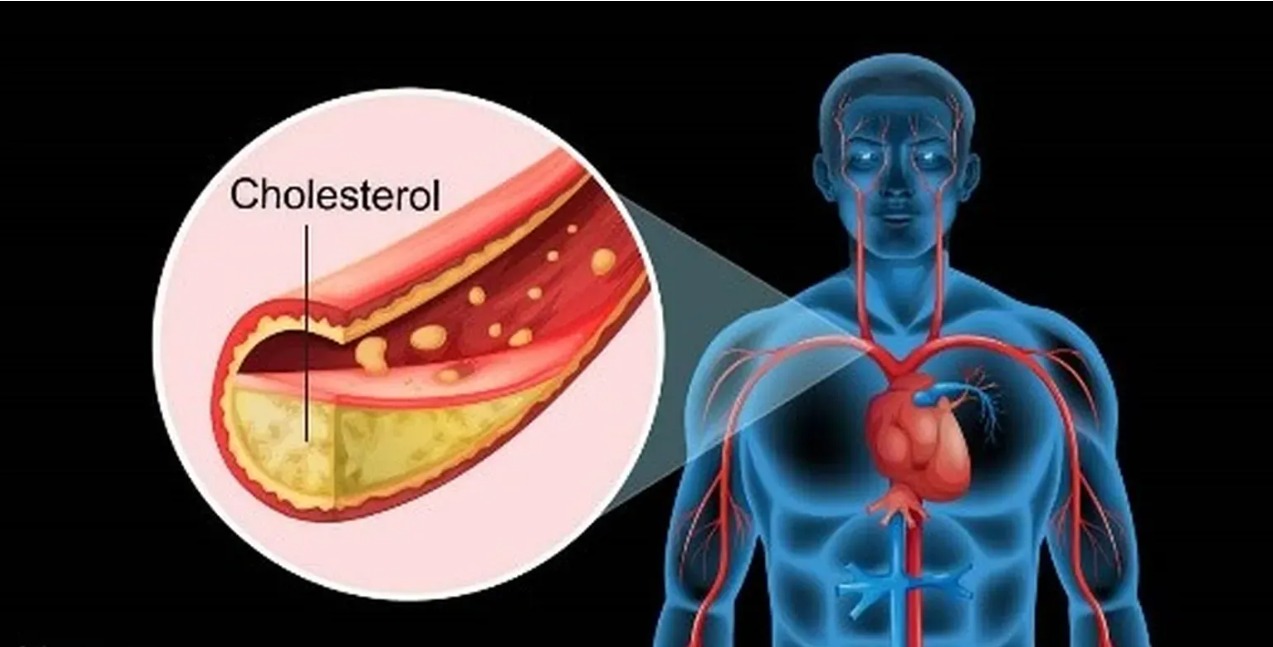
Cholesterol is a waxy substance found in your blood that plays an important role in building healthy cells. However, when cholesterol levels become too high, they can increase your risk of heart disease, stroke, and other cardiovascular conditions. High cholesterol often develops without symptoms, making regular screenings essential for protecting your heart health.

If you live in Lakewood, CA, or nearby communities such as Long Beach, Cerritos, Bellflower, Paramount, or Downey, understanding your cholesterol levels is one of the most effective steps you can take to reduce your risk of heart disease.

What Is Cholesterol?

Your body needs cholesterol to produce hormones, vitamin D, and substances that help digest food. Cholesterol travels through your bloodstream attached to proteins called lipoproteins.

There are two main types of cholesterol:

LDL (Low-Density Lipoprotein)

Often referred to as “bad cholesterol,” LDL can build up inside your arteries, creating plaque that restricts blood flow to your heart and brain.

HDL (High-Density Lipoprotein)

Known as “good cholesterol,” HDL helps remove excess cholesterol from your bloodstream, reducing your risk of cardiovascular disease.

Why High Cholesterol Is Dangerous

Over time, excess cholesterol can narrow your arteries, making it harder for blood to circulate. This process, known as atherosclerosis, significantly increases the risk of:

  • Heart attacks
  • Stroke
  • Peripheral artery disease
  • Coronary artery disease

Because plaque builds slowly, many people don’t realize they have high cholesterol until a serious cardiac event occurs.

Risk Factors for High Cholesterol

Several lifestyle and genetic factors can contribute to unhealthy cholesterol levels, including:

  • Diet high in saturated fats
  • Lack of physical activity
  • Smoking
  • Obesity
  • Diabetes
  • Family history
  • Aging
How to Lower Your Cholesterol

Improving cholesterol levels often starts with healthy lifestyle changes.

Eat Heart-Healthy Foods

Choose foods rich in fiber, vegetables, fruits, whole grains, nuts, and lean proteins while limiting processed foods and saturated fats.

Stay Active

Aim for at least 30 minutes of moderate exercise most days of the week.

Maintain a Healthy Weight

Even modest weight loss can improve cholesterol levels and reduce cardiovascular risk.

Stop Smoking

Quitting smoking improves HDL cholesterol while lowering your overall heart disease risk.

Why Regular Cholesterol Screenings Matter

Routine cholesterol testing helps detect problems before symptoms develop. Your cardiologist can evaluate your results and recommend lifestyle modifications or medications if necessary.

Personalized Cardiology Care in Lakewood, CA

At Premier Choice Cardiology, we provide comprehensive cardiovascular evaluations, cholesterol management, and preventive heart care for patients throughout Lakewood and surrounding communities. Our goal is to help patients reduce their cardiovascular risk through early detection and personalized treatment plans.

Schedule Your Heart Health Assessment

If you haven’t had your cholesterol checked recently, now is the perfect time. Contact Premier Choice Cardiology to schedule a cardiovascular evaluation and take the next step toward a healthier heart.

How High Blood Pressure Can Impact Your Heart Health

High blood pressure, also known as hypertension, affects nearly half of American adults and is one of the leading risk factors for heart disease. Because it often develops without noticeable symptoms, hypertension is commonly referred to as the “silent killer.”

For residents of Lakewood, CA, and nearby communities, understanding the effects of high blood pressure can help prevent serious cardiovascular complications and improve long-term health outcomes.

What Is High Blood Pressure?

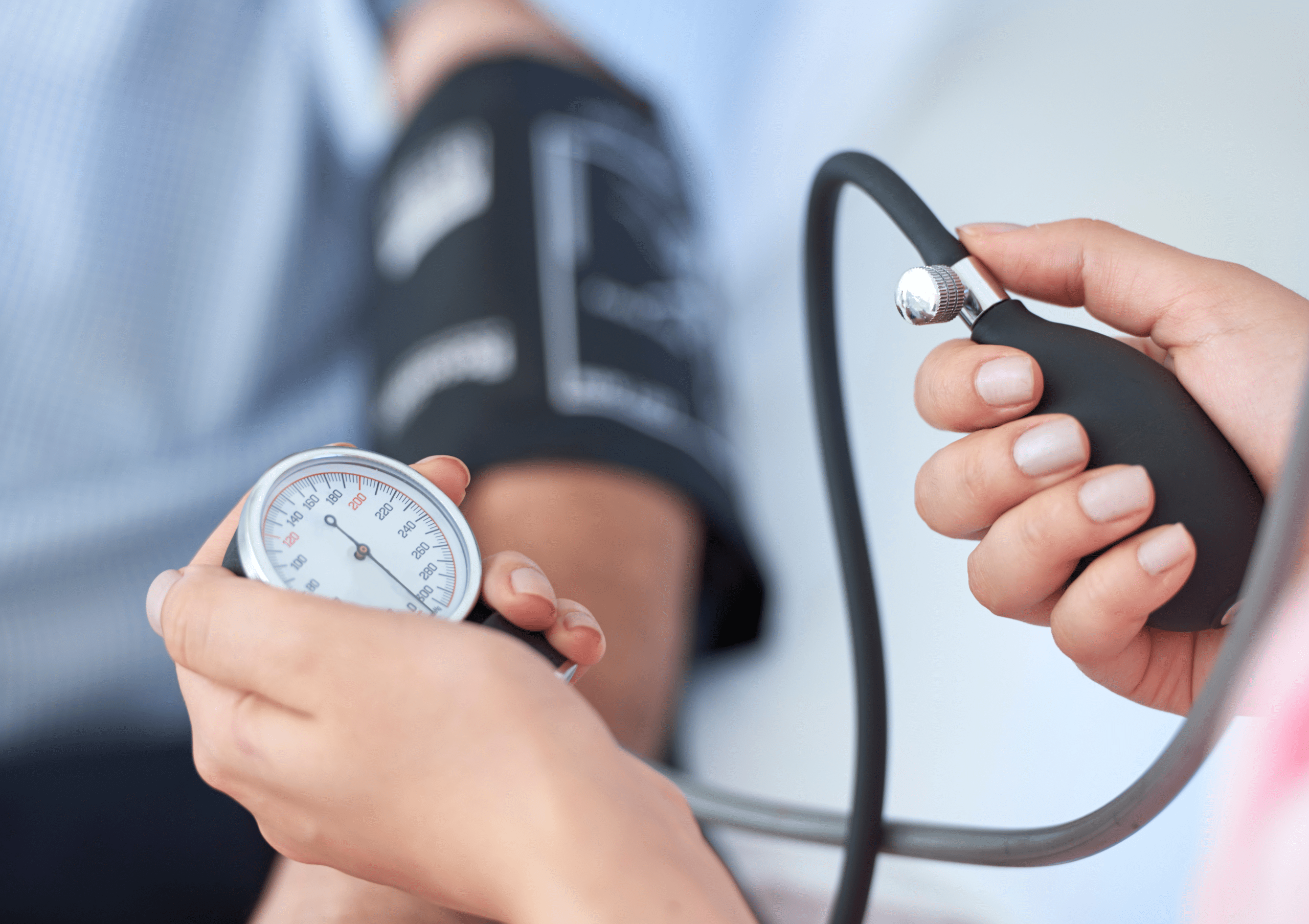
Blood pressure measures the force of blood pushing against the walls of your arteries. When this pressure remains consistently elevated, your heart must work harder to circulate blood throughout your body.

Over time, this extra strain can damage both the heart and blood vessels.

Why High Blood Pressure Is Dangerous

Uncontrolled hypertension can contribute to several serious health conditions, including:

Heart Attack

High blood pressure accelerates the buildup of plaque inside the arteries, increasing the risk of blocked blood flow to the heart.

Stroke

Damaged blood vessels are more likely to rupture or become blocked, leading to strokes.

Heart Failure

The heart can become enlarged and weakened due to the constant effort required to pump against elevated pressure.

Kidney Disease

Hypertension can damage the blood vessels that supply the kidneys.

Common Risk Factors for Hypertension

Several factors increase the likelihood of developing high blood pressure:

  • Family history
  • Obesity
  • Smoking
  • High-sodium diets
  • Physical inactivity
  • Chronic stress
  • Diabetes
  • Increasing age

Symptoms Often Go Unnoticed

Most people with hypertension experience no symptoms. However, severe cases may cause:

  • Headaches
  • Shortness of breath
  • Chest discomfort
  • Blurred vision
  • Fatigue

Because symptoms often appear late, routine screenings are essential.

How to Lower High Blood Pressure Naturally

Lifestyle changes can significantly improve blood pressure levels.

Maintain a Healthy Diet

Choose foods rich in:

  • Fruits
  • Vegetables
  • Whole grains
  • Lean proteins
  • Healthy fats
Exercise Regularly

Aim for at least 150 minutes of moderate physical activity per week.

Reduce Sodium Intake

Limiting processed foods can help lower blood pressure and improve heart health.

Manage Stress

Meditation, relaxation techniques, and quality sleep can positively impact cardiovascular health.

When to See a Cardiologist

You should consider seeing a cardiologist if:

  • Your blood pressure remains elevated despite treatment.
  • You have multiple cardiovascular risk factors.
  • You have a family history of heart disease.
  • You experience symptoms such as chest pain or shortness of breath.

Comprehensive Hypertension Management in Lakewood, CA

At Premier Choice Cardiology, we provide personalized evaluations, advanced diagnostic testing, and customized treatment plans to help patients effectively manage high blood pressure and reduce cardiovascular risks.

Protect Your Heart for the Future

Managing blood pressure today can significantly reduce the risk of heart attacks, strokes, and heart failure tomorrow. Routine monitoring and professional cardiovascular care remain key components of long-term heart health.

Contact Premier Choice Cardiology to schedule a consultation and take the next step toward better cardiovascular wellness.