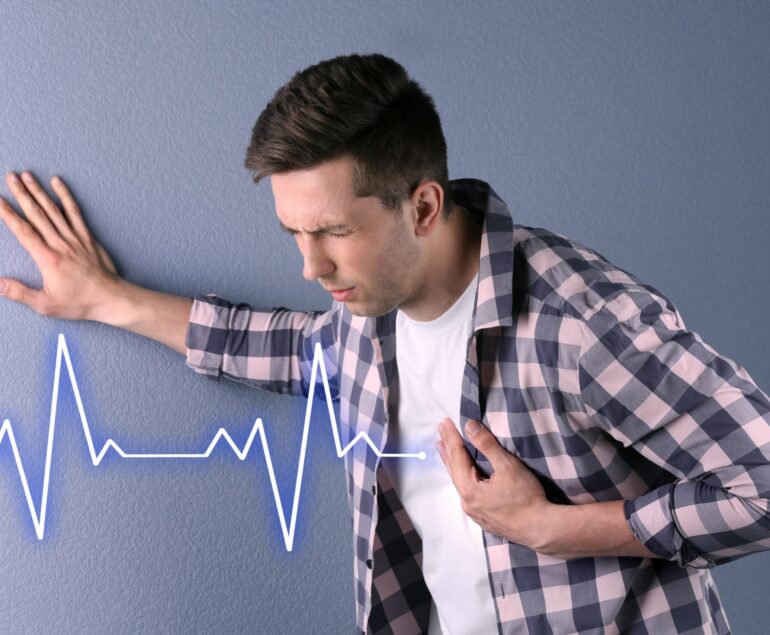

Your heart may function normally while you are resting, but some cardiovascular problems become more noticeable when your heart has to work harder. A cardiac stress test is a commonly used evaluation that allows healthcare professionals to observe how your heart responds to increased physical demand.
A stress test may be recommended when a healthcare provider wants more information about symptoms such as chest discomfort, shortness of breath, or reduced exercise tolerance. It may also be used when evaluating certain cardiovascular risk factors or monitoring an existing heart condition.
If you are looking for a cardiac stress test in Lakewood, CA, understanding the purpose of this test and what happens during the evaluation can help you feel more prepared.
What Is a Cardiac Stress Test?
A cardiac stress test evaluates how your heart performs when it is working harder than it does at rest.
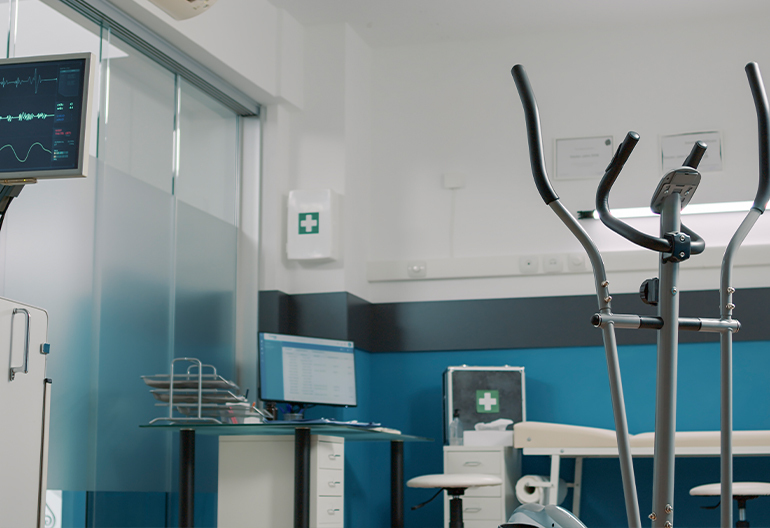
During a traditional exercise stress test, you may walk on a treadmill or use a stationary exercise machine while your heart rate, rhythm, and other measurements are monitored.
The goal is not simply to see how much exercise you can do. The test can provide your healthcare team with useful information about how your cardiovascular system responds to increased demand.
Why Would a Cardiologist Recommend a Stress Test?
A cardiologist may recommend cardiac stress testing for several different reasons.
Depending on your symptoms and medical history, a stress test may help evaluate:
- Chest discomfort
- Shortness of breath during physical activity
- Unexplained fatigue
- Reduced exercise capacity
- Certain abnormal heart test results
- Possible coronary artery disease
- Cardiovascular risk in selected patients
- Changes in an existing heart condition
The decision to perform a stress test depends on your individual circumstances. Not everyone with chest discomfort or cardiovascular risk factors necessarily needs one.
What Happens During an Exercise Stress Test?
Before the test begins, your healthcare team may review your medical history and current symptoms.
You may have monitoring equipment placed on your body so your heart rate and rhythm can be observed during exercise.
You will then gradually increase your activity level, typically by walking on a treadmill or using another exercise device.
Throughout the evaluation, your healthcare team may monitor:
- Heart rate
- Heart rhythm
- Blood pressure
- Exercise response
- Symptoms you experience during activity
The test is performed under medical supervision, and your healthcare team can determine when it should be stopped.
What If You Cannot Exercise?
Not every patient is able to exercise sufficiently for a traditional treadmill stress test.
Depending on the patient’s health and the purpose of the evaluation, a healthcare provider may consider a different type of stress testing.
Medication can sometimes be used to increase the heart’s workload when a patient cannot exercise adequately.
Your cardiologist can determine which type of cardiovascular testing is appropriate based on your health, symptoms, and medical history.
Does a Stress Test Diagnose Heart Disease?
A stress test provides information about how your cardiovascular system responds to increased demand. It is not necessarily a standalone test for every type of heart condition.
Your cardiologist may consider stress-test results alongside your symptoms, medical history, physical examination, and other diagnostic information.
In some cases, additional testing may be recommended to better understand your cardiovascular health.
What Should You Tell Your Doctor Before a Stress Test?
Before undergoing cardiac testing, make sure your healthcare team knows about:
- Medications you take
- Existing heart conditions
- Previous heart procedures
- Diabetes
- Breathing problems
- Any recent changes in your symptoms
- Difficulty exercising
Your healthcare provider may also provide specific instructions regarding medications, food, drinks, or exercise before the test.
Always follow the preparation instructions provided by your medical team.
Who May Benefit From Cardiovascular Evaluation?
A cardiovascular evaluation may be appropriate for people experiencing symptoms that could be related to their heart, as well as individuals with certain cardiovascular risk factors.
Risk factors may include:
- High blood pressure
- High cholesterol
- Diabetes
- Smoking
- Obesity
- Family history of heart disease
- Previous cardiovascular disease
However, the appropriate testing strategy is different for every patient. A cardiologist in Lakewood, CA can assess your individual situation and determine whether a stress test or another form of evaluation may be appropriate.
Symptoms You Should Not Ignore
Talk to a healthcare professional if you repeatedly experience symptoms such as:
- Chest discomfort during activity
- Shortness of breath
- Unusual fatigue
- Dizziness
- Reduced exercise tolerance
- Heart palpitations
These symptoms can have many possible causes, but recurring or unexplained symptoms deserve appropriate medical evaluation.
If you experience severe or sudden chest pain, severe difficulty breathing, fainting, or other emergency symptoms, seek immediate emergency medical attention.
Cardiac Stress Testing in Lakewood, CA
Premier Choice Cardiology provides comprehensive cardiovascular care in Lakewood, CA, for patients with a variety of heart health concerns.
If you have symptoms that may require cardiovascular evaluation or your healthcare provider has recommended a stress test, our team can help determine the appropriate next steps based on your individual needs.
Patients looking for a heart specialist near Lakewood can receive cardiovascular care close to home, with services available to patients from Lakewood and surrounding communities, including Long Beach, Bellflower, Cerritos, Paramount, and Downey.
Take the Next Step Toward Better Heart Health
A cardiac stress test can provide valuable information about how your heart responds when it is working harder. When combined with your medical history and other appropriate evaluations, the results can help your healthcare team better understand your cardiovascular health.
If you have concerns about chest discomfort, exercise-related symptoms, or your overall heart health, contact Premier Choice Cardiology to discuss whether a cardiovascular evaluation may be appropriate for you.
Early evaluation can help you better understand your cardiovascular health and make informed decisions about your ongoing care.