
Your heart normally beats in a steady rhythm, allowing blood to circulate efficiently throughout your body. When the heart’s rhythm becomes irregular, it can affect how effectively the heart pumps blood. One of the most common heart rhythm disorders is atrial fibrillation, often called AFib.
AFib can affect people differently. Some individuals experience noticeable symptoms, while others may have few or no symptoms at all. Understanding the condition, its risk factors, and when to seek cardiovascular care can help protect your long-term heart health.
For residents of Lakewood, CA, and surrounding communities, getting an appropriate evaluation from a qualified cardiologist can be an important step when symptoms of an irregular heartbeat develop.
What Is Atrial Fibrillation?
Atrial fibrillation is an irregular heart rhythm that occurs when the upper chambers of the heart, called the atria, beat in an irregular pattern.
Instead of maintaining a consistent rhythm, the heart may beat rapidly and irregularly. This can affect normal blood flow and may increase the risk of complications, including stroke.
AFib can occur occasionally or become persistent. The condition can also develop as people get older or in association with other cardiovascular conditions.
Common Symptoms of AFib
Some people with atrial fibrillation notice symptoms immediately, while others may not realize they have an irregular rhythm.
Common symptoms can include:
- Rapid or irregular heartbeat
- Heart palpitations
- Shortness of breath
- Weakness or fatigue
- Dizziness or lightheadedness
- Reduced ability to exercise
- Chest discomfort
If these symptoms occur repeatedly, a cardiovascular evaluation can help determine whether an abnormal heart rhythm is responsible.
What Causes Atrial Fibrillation?
AFib can develop for several reasons. In some cases, it is associated with underlying heart conditions, while other factors may increase the likelihood of developing the disorder.
Risk factors may include:
- High blood pressure
- Coronary artery disease
- Heart valve problems
- Heart failure
- Diabetes
- Obesity
- Increasing age
- Excessive alcohol consumption
- Certain thyroid conditions
- Previous heart surgery
Having one or more risk factors does not necessarily mean that you will develop AFib, but it can make regular cardiovascular care more important.
Why AFib Should Not Be Ignored
An irregular heartbeat may seem harmless, particularly when symptoms are occasional. However, atrial fibrillation can affect blood flow within the heart and may increase the risk of blood clots and stroke.
This is why identifying AFib and determining the appropriate management strategy is important.
A cardiologist can evaluate your symptoms, medical history, and individual risk factors to determine the appropriate next steps.
How Is AFib Diagnosed?
Diagnosing atrial fibrillation generally begins with a discussion of your symptoms and medical history. Your cardiologist may also perform tests to evaluate your heart rhythm and overall cardiovascular health.
Depending on your symptoms, testing may include:
Electrocardiogram (EKG)
An EKG records the electrical activity of your heart and can help identify an irregular rhythm.
Holter or Ambulatory Monitoring
If your symptoms occur intermittently, longer-term heart rhythm monitoring may help capture an abnormal rhythm that isn’t present during a short office test.
Echocardiogram
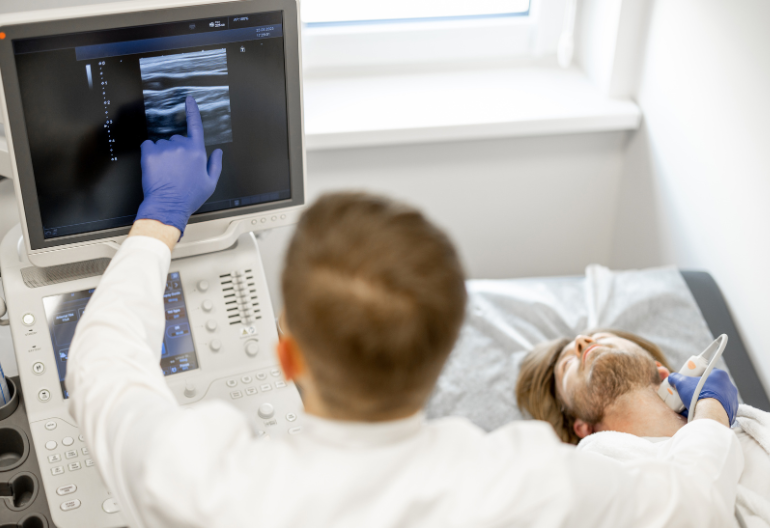
An echocardiogram uses ultrasound to evaluate the structure and function of the heart.
Your cardiologist will determine which tests are appropriate based on your individual symptoms and health history.
How Is Atrial Fibrillation Treated?
Treatment for AFib varies from person to person. The goal may include controlling the heart rate or rhythm, reducing symptoms, and lowering the risk of complications.
Depending on the individual’s condition, treatment may involve:
- Medications
- Heart-rate control
- Rhythm-control strategies
- Stroke-risk management
- Lifestyle modifications
- Additional procedures when medically appropriate
Your treatment plan should be based on your specific cardiovascular needs rather than a one-size-fits-all approach.
Lifestyle Habits That Support Heart Health
Along with medical management, healthy lifestyle choices can support overall cardiovascular wellness.
Helpful habits may include:
- Maintaining a healthy weight
- Staying physically active
- Managing blood pressure
- Monitoring cholesterol
- Avoiding tobacco
- Limiting alcohol
- Getting adequate sleep
- Managing stress
- Following a balanced diet
These habits can also help address other cardiovascular risk factors that may contribute to heart rhythm problems.
When Should You See a Cardiologist?
If you regularly experience heart palpitations, an unusually fast heartbeat, dizziness, unexplained fatigue, or shortness of breath, consider discussing these symptoms with a healthcare professional.
People with high blood pressure, coronary artery disease, heart valve problems, or a family history of cardiovascular disease may also benefit from discussing their heart rhythm with a cardiologist.
If you experience severe chest pain, severe difficulty breathing, fainting, or other potentially serious symptoms, seek emergency medical attention.
Atrial Fibrillation Care in Lakewood, CA
Premier Choice Cardiology provides personalized cardiovascular care for patients in Lakewood, CA, and surrounding communities. Our approach focuses on understanding each patient’s symptoms, cardiovascular risk factors, and individual healthcare needs.
If you are searching for a cardiologist in Lakewood, CA or a heart specialist near Lakewood, professional evaluation can help determine the cause of irregular heartbeat symptoms and whether further cardiac testing is appropriate.
We serve patients from Lakewood and nearby areas, including Long Beach, Bellflower, Cerritos, Paramount, and Downey.
Take Irregular Heartbeats Seriously
Occasional changes in your heartbeat can have many possible causes, but recurring or unexplained palpitations should not automatically be dismissed.
Early evaluation can help identify atrial fibrillation and other heart rhythm disorders and provide an opportunity to discuss appropriate cardiovascular care.
If you are experiencing symptoms of an irregular heartbeat, contact Premier Choice Cardiology to schedule a cardiovascular evaluation in Lakewood, CA.