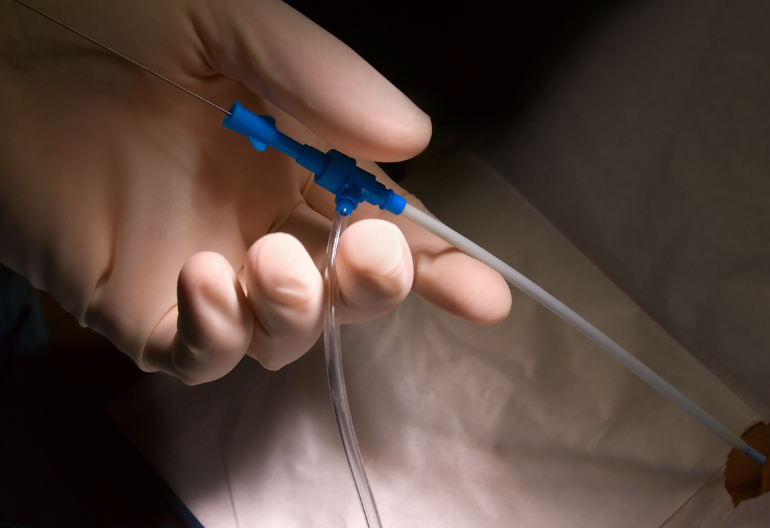

When most people think about heart health, they think about the heart itself. However, healthy blood vessels are just as important. Your arteries carry oxygen-rich blood throughout your body, and problems affecting these blood vessels can have a significant impact on your overall cardiovascular health.
Peripheral artery disease, commonly called PAD, is a condition that occurs when arteries outside the heart become narrowed or blocked. It most commonly affects the legs and feet and can cause symptoms that are easy to overlook.
For people living in Lakewood, CA, and surrounding communities, understanding the warning signs of peripheral artery disease can help with early detection and appropriate cardiovascular care.
What Is Peripheral Artery Disease?
Peripheral artery disease develops when plaque builds up inside the arteries, reducing blood flow to the limbs. This buildup is often associated with atherosclerosis, the same process that can contribute to coronary artery disease.
Although PAD most commonly affects the legs, it is more than just a circulation problem. Having PAD can indicate that plaque buildup may also be affecting other blood vessels in the body.
Common Symptoms of PAD
Some people with peripheral artery disease may not experience obvious symptoms in the early stages. Others may notice changes in their legs or feet, including:
- Pain or cramping in the legs while walking
- Leg discomfort that improves after resting
- Numbness or weakness in the legs
- Coldness in one foot or leg compared with the other
- Changes in the color of the skin
- Slow-healing wounds on the feet or legs
- Weak pulses in the legs or feet
One of the most common symptoms is leg pain during physical activity that improves after stopping to rest. This symptom should not simply be attributed to getting older.
What Causes Peripheral Artery Disease?
The most common cause of PAD is atherosclerosis. Over time, fatty deposits can accumulate inside artery walls and restrict normal blood flow.
Several factors can increase your risk of developing peripheral artery disease.
Smoking
Smoking is one of the major risk factors for PAD. It can damage blood vessels and contribute to plaque buildup.
Diabetes
People with diabetes have an increased risk of developing problems affecting blood vessels and circulation.
High Blood Pressure
Uncontrolled high blood pressure can damage artery walls and contribute to cardiovascular disease.
High Cholesterol
Excess LDL cholesterol can contribute to plaque formation inside arteries.
Age and Family History
The risk of peripheral artery disease increases with age. A family history of cardiovascular disease can also increase your risk.
How Is Peripheral Artery Disease Diagnosed?
A cardiologist may begin by reviewing your symptoms, medical history, and cardiovascular risk factors. A physical examination can also provide important information about circulation.
Depending on your situation, additional testing may be recommended to evaluate blood flow and identify areas where arteries may be narrowed.
Early evaluation is important because PAD can be associated with a higher risk of other cardiovascular complications.
Can Peripheral Artery Disease Be Treated?
Treatment depends on the severity of the condition and your individual cardiovascular risk factors.
A treatment plan may include lifestyle changes, managing conditions such as high blood pressure and diabetes, improving cholesterol levels, medications, and other interventions when appropriate.
Regular physical activity and following a heart-healthy lifestyle can also play an important role in improving overall cardiovascular health.
When Should You See a Cardiologist?
You should consider a cardiovascular evaluation if you regularly experience leg pain or cramping while walking, unexplained changes in circulation, numbness, or wounds that take longer than expected to heal.
You should also discuss PAD screening with a healthcare professional if you have multiple risk factors, such as diabetes, smoking, high cholesterol, or a history of cardiovascular disease.
Cardiovascular Care in Lakewood, CA
At Premier Choice Cardiology, we provide comprehensive cardiovascular evaluations and personalized care for patients in Lakewood and surrounding communities. Our approach focuses on identifying cardiovascular risk factors early and helping patients make informed decisions about their heart and vascular health.
Whether you are experiencing symptoms or simply want to better understand your cardiovascular risk, a professional evaluation can be an important step toward protecting your long-term health.
Take Your Vascular Health Seriously
Changes in your legs, walking-related discomfort, or circulation problems should not always be dismissed as normal signs of aging. Peripheral artery disease can be an important indicator of overall cardiovascular health.
If you are experiencing symptoms of PAD or have cardiovascular risk factors, contact Premier Choice Cardiology in Lakewood, CA, to discuss your concerns and determine whether a cardiovascular evaluation is appropriate for you.