
A heart attack can happen suddenly, but the risk factors that contribute to heart disease often develop over many years. While some risk factors, such as age and family history, cannot be changed, many others can be managed through healthy lifestyle choices, regular medical care, and early cardiovascular evaluation.
Understanding your personal risk is an important part of heart attack prevention. For individuals living in Lakewood, CA, and nearby communities, taking a proactive approach to cardiovascular health may help identify risk factors before they become more serious.
If you are concerned about your heart health, working with a cardiologist in Lakewood, CA can help you better understand your individual cardiovascular risk and the steps that may be appropriate for you.
What Causes a Heart Attack?
Most heart attacks occur when blood flow to a portion of the heart becomes blocked. This blockage is often related to coronary artery disease, a condition in which plaque builds up inside the arteries.
Over time, plaque can narrow the arteries and reduce blood flow. If blood flow becomes severely restricted or blocked, the heart muscle may not receive enough oxygen.
Several factors can increase the risk of developing coronary artery disease and having a heart attack.
Know Your Personal Risk Factors
Understanding your risk factors is one of the first steps in heart disease prevention.
Common risk factors include:
- High blood pressure
- High cholesterol
- Diabetes
- Smoking
- Obesity
- Physical inactivity
- Poor diet
- Family history of heart disease
- Increasing age
- Chronic stress
Having one or more risk factors does not necessarily mean you will have a heart attack. However, managing these factors can play an important role in protecting your long-term cardiovascular health.
Keep Your Blood Pressure Under Control
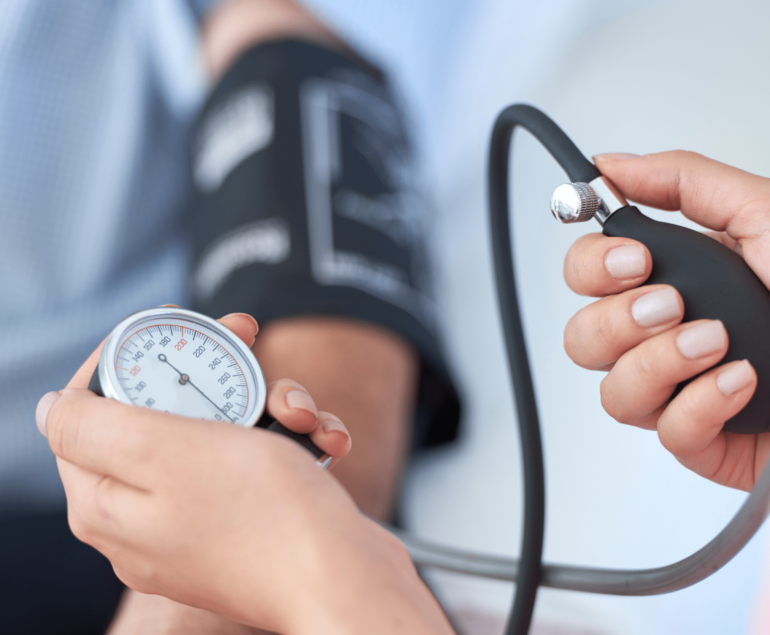
High blood pressure can damage arteries over time and increase the workload on the heart. Because hypertension may not cause noticeable symptoms, regular monitoring is important.
If your blood pressure remains elevated, your healthcare provider may recommend lifestyle changes, medication, or additional evaluation depending on your individual health needs.
Managing blood pressure is an important part of heart attack prevention and overall cardiovascular care.
Manage Your Cholesterol Levels
High levels of LDL cholesterol can contribute to plaque buildup inside the arteries. Over time, this can increase the risk of coronary artery disease.
Regular cholesterol testing can help you understand your levels and identify whether lifestyle changes or medical treatment may be appropriate.
A heart-healthy lifestyle often includes limiting foods high in unhealthy fats and choosing more vegetables, fruits, whole grains, lean proteins, and other nutrient-rich foods.
Stay Physically Active
Regular physical activity supports heart health in several ways. Exercise can help manage weight, improve circulation, support healthy blood pressure, and improve cholesterol levels.
The right type and amount of physical activity can vary depending on your age, fitness level, and existing medical conditions. If you have a history of heart problems or experience symptoms during exercise, discuss your activity plan with a healthcare professional.
Follow a Heart-Healthy Diet
Your daily food choices can have a significant impact on cardiovascular health.
A heart-healthy eating pattern may include:
- Fruits and vegetables
- Whole grains
- Lean sources of protein
- Healthy fats
- Foods rich in fiber
It can also be helpful to limit highly processed foods, excessive sodium, added sugars, and unhealthy fats.
Making gradual and sustainable changes is often more effective than following extreme diets that are difficult to maintain.
Avoid Smoking and Tobacco Products
Smoking is one of the most significant preventable risk factors for cardiovascular disease. Tobacco use can damage blood vessels, affect circulation, and increase the risk of heart attack and stroke.
Quitting smoking can provide important health benefits and is a major step toward improving heart health.
Maintain a Healthy Weight
Carrying excess weight can increase the risk of several conditions linked to heart disease, including high blood pressure, diabetes, and unhealthy cholesterol levels.
A combination of balanced nutrition and regular physical activity can help support a healthy weight and reduce cardiovascular risk.
Even small, sustainable improvements in lifestyle habits can make a meaningful difference over time.
Manage Diabetes and Blood Sugar
Diabetes can increase the risk of cardiovascular disease by affecting blood vessels and other systems in the body.
If you have diabetes, following your recommended treatment plan and regularly monitoring your overall health can help manage cardiovascular risk.
Because diabetes often occurs alongside other risk factors, such as high blood pressure or high cholesterol, a comprehensive approach to heart health may be beneficial.
Don’t Ignore New or Unexplained Symptoms
Some heart-related symptoms may be obvious, while others can be subtle.
Contact a healthcare professional if you experience recurring symptoms such as:
- Chest pressure or discomfort
- Shortness of breath
- Unusual fatigue
- Dizziness or lightheadedness
- Discomfort in the arm, shoulder, back, neck, or jaw
- Reduced ability to perform normal activities
These symptoms can have different causes, but they should not be ignored if they are new, recurring, or concerning.
Severe chest pain, difficulty breathing, fainting, or other emergency symptoms require immediate emergency medical attention.
How a Cardiologist Can Help With Heart Attack Prevention
Preventive cardiovascular care focuses on identifying and managing risk factors before serious complications occur.
A heart doctor in Lakewood can review your medical history, family history, lifestyle, symptoms, and existing health conditions to better understand your cardiovascular risk.
Depending on your individual needs, a cardiologist may recommend appropriate testing, monitoring, lifestyle changes, or treatment options.
Early evaluation can be especially important for individuals with multiple cardiovascular risk factors or a family history of heart disease.
Heart Attack Prevention and Cardiovascular Care in Lakewood, CA
At Premier Choice Cardiology, we provide personalized cardiovascular care in Lakewood, CA, for patients who want to better understand and manage their heart health.
Our approach focuses on evaluating individual risk factors and helping patients make informed decisions about preventive cardiology and cardiovascular wellness.
If you are searching for a cardiologist in Lakewood, CA, or heart care near Lakewood, our team serves patients from Lakewood and nearby communities, including Long Beach, Bellflower, Cerritos, Paramount, and Downey.
Take a Proactive Approach to Your Heart Health
Heart attack prevention begins with understanding your personal risk factors and taking consistent steps to manage them.
You do not need to wait until a serious problem develops to start focusing on your cardiovascular health. Regular checkups, healthy lifestyle habits, and appropriate medical care can all play a role in reducing your risk.
If you have concerns about your heart health, high blood pressure, cholesterol, diabetes, or a family history of heart disease, contact Premier Choice Cardiology to schedule a cardiovascular evaluation in Lakewood, CA.
Taking action today may help you build a healthier foundation for your heart in the years ahead.