A heart arrhythmia (uh-RITH-me-uh) is an irregular heartbeat. A heart arrhythmia happens when the electrical signals that tell the heart to beat don’t work as they should. The heart may beat too fast or too slow. Or the pattern of the heartbeat may be inconsistent.
Dr. Tanveer Ahmad is known for accurate diagnosis & treatment plans that are suitable for you, serving in Lakewood and Brick, NJ

Most arrhythmias happen because of an issue with your heart’s arteries, valves, or muscles.
Some arrhythmias, such as occasional premature beats, may be harmless and need only monitoring. Others can increase the risk of stroke, heart failure, or cardiac arrest and may require treatment.
Types of arrhythmia include
When a person is at rest, their heart rate is more than 100 beats per minute. This condition is known as tachycardia.
Atrial Fibrillation (AF or AFib): Disrupted electrical signaling in the atria increases the risk of blood clotting, stroke, or heart failure.
Atrial Flutter: Atrial flutter is a rapid, usually organized rhythm originating in the atria. The atria may beat around 250–350 times per minute, while the ventricles usually beat more slowly because not every electrical signal reaches them.
Ventricular Fibrillation: Rapid, erratic electrical signals cause the ventricles to quiver instead of contracting.
Supraventricular Tachycardia (SVT): It is a rapid rhythm that begins above the ventricles, often because of an abnormal electrical circuit or pathway in or near the atria or AV node.
Ventricular Tachycardia: Abnormal electrical impulses in the ventricles prevent them from filling with blood, causing serious complications.
A resting heart rate below 60 beats per minute is referred to as bradycardia. It is a condition where the heart beats slower than normal, potentially leading to fatigue, dizziness, or fainting.
Conduction Block: A conduction block is a delay or interruption in the electrical signals traveling through the heart. Depending on its location and severity, it may cause a slow heart rate, skipped beats, an irregular rhythm, or no symptoms.
Sick Sinus Syndrome or Tachybrady Syndrome: A defect in the sinus node (the heart’s natural pacemaker) causes alternating episodes of abnormally slow and fast heartbeats.
A cardiac arrhythmia may not cause any symptoms. In rare cases, the first symptom may be a seizure or sudden cardiac death. Heart arrhythmia symptoms may include


If you have chest pain, severe shortness of breath, fainting, or a rapid or irregular heartbeat accompanied by severe symptoms, call 911 or your local emergency number. Do not wait for a routine cardiology appointment.
Here are some ways to lower your risk of arrhythmia:
At Premier Choice Cardiology, our cardiologist examine your symptoms and they may order diagnostic tests to help confirm that you have an arrhythmia.
Some tests that can check for an irregular heart rhythm and related diseases include:
These tests are based on your symptoms, medical history, and suspected rhythm disorder.
Some people need procedures to treat abnormal heart rhythms. Dr.Tanveer Ahmad will determine the best treatment for you and discuss the benefits and risks of these with you.

AFib evaluation may include an ECG/EKG, Holter monitoring, event monitoring, or echocardiography, depending on the symptoms and their frequency.

Dr. Tanveer Ahmad may insert certain devices during a procedure in the electrophysiology lab. Devices to treat a heart arrhythmia include:
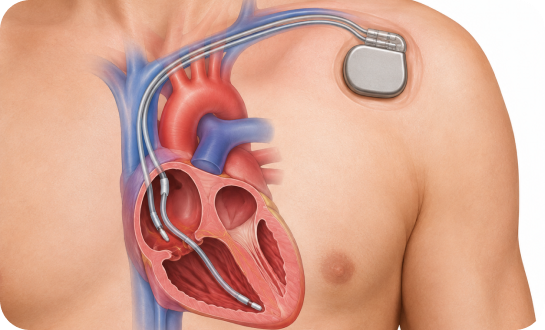
This device sends small electrical impulses to your heart muscle to maintain a normal heart rate and keep your heart from beating too slowly.
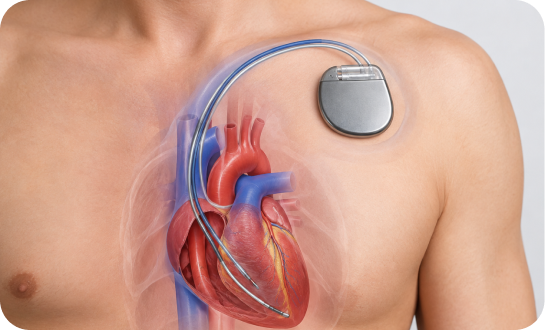
This device constantly monitors your heart rhythm. When it detects a very fast, abnormal heart rhythm, it delivers energy to your heart muscle to make it beat in a normal rhythm.
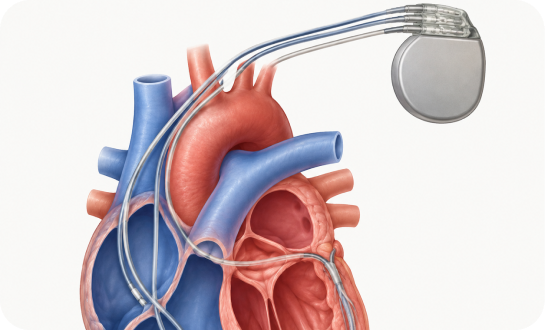
Cardiac resynchronization pacemakers and defibrillators use specially positioned leads to help the right and left ventricles contract in a more coordinated way.
Dr. Tanveer Ahmad has over 21 years’ experience in the field of cardiovascular care; his specialties are cardiology and interventional cardiology, and he treats a variety of conditions such as heart rhythm disorders, coronary artery disease, hypertension, & heart failure.
Accepting New Patients
He is associated with Monmouth Medical Center, Southern Campus, and some other hospitals in the area. His exceptional care and commitment to serving the nation make him unique among patients who are dealing with complex heart conditions.


You will need to visit Premier Choice Cardiology for regular follow-up visits to make sure your arrhythmia treatments are working and to check how well implanted devices are working. Dr. Tanveer Ahmad will make sure you are staying healthy and not having any other medical issues.
Questions to ask your provider when you visit the clinic
These tests are based on your symptoms, medical history, and suspected rhythm disorder.
You should visit Premier Choice Cardiology if you have symptoms of arrhythmia such as Heart fluttering, skipped heartbeats, rapid heartbeats, Chest discomfort, or shortness of breath
It depends on the symptoms and the cause of your arrhythmia; our arrhythmia treatment specialist in Lakewood and Brick, NJ, will create a customized treatment plan to correct an irregular heartbeat.
There is no single first-line treatment for all arrhythmias, because treatment depends heavily on the specific type of irregular heartbeat and whether the patient is stable or unstable.
Yes, you can live a healthy life with an arrhythmia by combining proper care of your heart with small daily habits.
When electrical signals that tell your heart how to beat become disrupted or misfire, that is the cause of heart arrhythmia.