A stroke occurs when blood flow to part of the brain is blocked or when a blood vessel in the brain ruptures. This prevents brain cells from receiving enough oxygen and can cause brain damage.
Atrial fibrillation and other vascular problems are treated at Premier Choice Cardiology with exceptional care and other risk factors that can increase the chances of stroke.

Consider discussing stroke risk with a cardiologist if you have:


However, new or sudden stroke symptoms require emergency medical care, not a routine office visit.
Stroke signs can start all of a sudden.
Remember FAST:
One side of the face may droop. It may also feel numb.
One arm might feel weak or numb. The person may not be able to lift both arms well.
Speech can sound slurred. The words may be hard to make out. Confusion can happen too.
If you see any of these signs, call 911 right away.
The condition of your heart and blood vessels has an important role in preventing stroke; if there are problems with your heart and blood vessels then your chance of having a stroke will increase and proper management can help to reduce that risk.
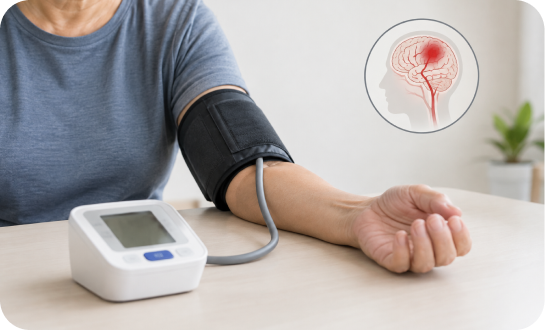
High blood pressure poses a silent danger since it can slowly impair your blood vessels over time and is a main risk factor for a stroke, usually with no noticeable symptoms; that is the reason why it is so important to have your blood pressure checked regularly.
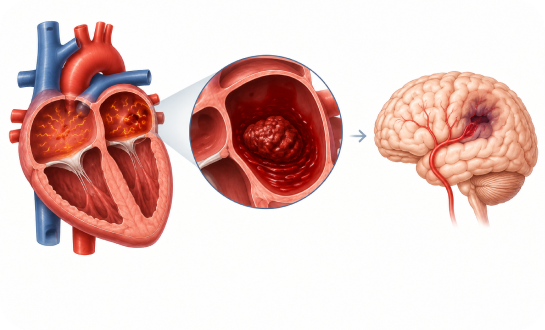
Atrial fibrillation (AFib) is an irregular heart rhythm that can allow blood to pool in the heart, increasing the risk of blood clots. If a clot travels to the brain and blocks blood flow, it can cause an ischemic stroke.
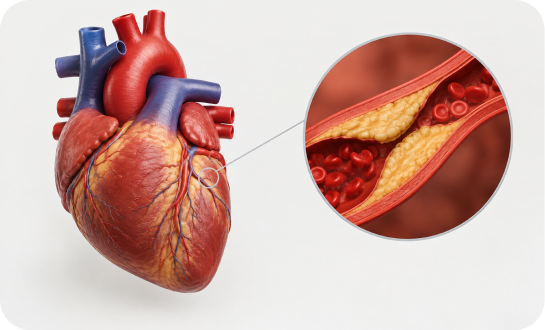
High cholesterol can contribute to the buildup of plaque in arteries, a process called atherosclerosis. When this affects arteries supplying blood to the brain, it can increase the risk of ischemic stroke.
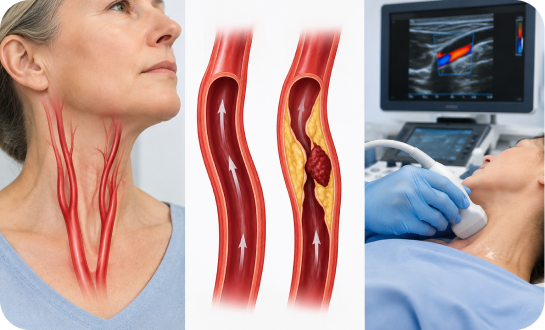
Carotid artery disease occurs when plaque builds up in the arteries in the neck that supply blood to the brain. This buildup can narrow the arteries and increase the risk of an ischemic stroke. A carotid ultrasound may be appropriate when a clinician identifies a reason to evaluate these arteries.
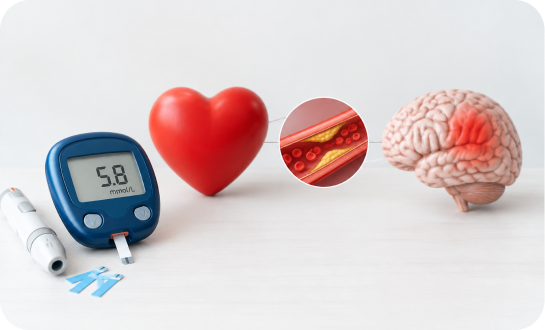
Diabetes can affect your blood vessels and thus raise your chance of developing cardiovascular disease and having a stroke. It is necessary that your blood sugar levels are kept under control if you are to achieve good heart health.

Smoking is harmful to your blood vessels. Quitting smoking is one of the best decisions you can make for your heart health. By quitting smoking, you can live a healthy life for yourself & for your family.
Depending on what the physician actually evaluates, you could consider:

Your first visit begins with a discussion about your health. Your cardiologist may ask about:
Based on your history & examination, your cardiologist can determine whether additional testing is appropriate. If testing is recommended, your results will help your doctor understand your cardiovascular health & determine the next steps.
An ECG is a test that records the electrical activity of your heart. It’s a useful tool for spotting irregular heart rhythms, including certain types of atrial fibrillation.
This test employs sound waves to produce images of your heart. It allows your cardiologist to assess how well your heart chambers, valves, and overall pumping function are performing.
Certain irregular heart rhythms may be temporary and could fail to appear during a short office ECG. By monitoring your heart rhythm, you can have your heartbeat tracked over a more extended period in order to pick up any abnormal rhythms.
A carotid ultrasound employs sound waves to examine the flow of blood through the carotid arteries in the neck, and this test may help in detecting any narrowing or the presence of plaque, which could increase your vascular risk.
Vascular testing might be carried out to check blood flow in different parts of the body and to look for signs of vascular disease, depending on the symptoms you have and your risk factors.
It’s not just a matter of selecting a clinic where tests can be carried out. You want a practice where your concerns are taken seriously, your test results are explained to you, and your care is tailored to your particular needs.
At Premier Choice Cardiology, patients have access to:
Dr. Tanveer Ahmad, board-certified in Internal Medicine and Cardiology, has experience in the care of patients with cardiovascular conditions and in carrying out diagnostic tests.
The practice provides a variety of diagnostic services for cardiovascular and vascular conditions, enabling a large number of evaluations to be carried out conveniently.
All of the symptoms, the medical history, the risk factors, and the test results are used to guide the assessment and the treatment plan.
Dr. Tanveer Ahmad brings extensive training & experience in both invasive & non-invasive cardiology.
Our aim goes beyond just dealing with cardiovascular problems once they have developed; by picking up on risk factors early, you can make informed choices regarding your heart health.
If you’re worried about your stroke risk, have any cardiovascular risk factors, or are in need of a heart and vascular assessment, Premier Choice Cardiology is here to guide you through your next steps.

Certainly! Cardiologists can help in assessing and managing heart conditions that could increase your risk of a stroke.
Certainly, it can. Atrial fibrillation (AFib) can cause blood to pool in the heart, which raises the likelihood of a blood clot forming.
A carotid ultrasound is the go-to test for assessing blood flow in the carotid arteries. It helps spot any narrowing or plaque buildup.
Yes, you can schedule an appointment with a cardiologist. If you are having symptoms now, call 911 rather than waiting for a routine appointment.
While not all strokes can be avoided, you can significantly reduce your risk by managing factors like high blood pressure, AFib, diabetes, high cholesterol, and smoking.