Getting a pacemaker is a major step. But its settings may need adjustments as your health, activity level or heart rhythm changes.
We handle pacemaker reprogramming at Premier Choice Cardiology with a really personal approach. Dr. Tanveer Ahmad talks with you to figure out how you’re actually feeling. He also checks the pacemaker battery life.
We use that real-world information to safely tweak your device’s timing and electrical output. It is a completely painless adjustment done right in the exam room. We just want to make sure your heart has exactly the right amount of backup it needs to keep you feeling great.

Pacemaker reprogramming is a procedure that allows a cardiologist to adjust the settings of an implanted pacemaker without removing or replacing the device. These adjustments help the pacemaker respond appropriately to your heart’s electrical activity and support a steady heartbeat.
Your pacemaker is programmed carefully at the time it is placed. But that initial setup is only a starting point. The pacemaker setting may not be feasible as your body, health and activity change over time.
Here are common reasons your pacemaker settings may need to be reprogrammed:


A pacemaker is designed to help maintain a steady heart rhythm. But you may notice changes in how you feel as time passes. New symptoms do not automatically mean your pacemaker needs reprogramming. Here are some signs that may warrant a pacemaker evaluation:
Every pacemaker is programmed according to the patient’s heart rhythm and medical needs. Your cardiologist can review the current settings and make adjustments when necessary. The goal is to help the device respond appropriately to your heart’s activity.
Here is what Dr. Ahmad can actually tweak during your visit:

We call this your base limit. If you've been feeling fatigue while just sitting on the sofa, simply turning this minimum number up a level often fixes the problem right away.

Your heart should beat faster when you exercise. You'll feel completely out of breath going up the stairs if your upper limit is set too low. We raise the level so you can stay active without feeling held back.
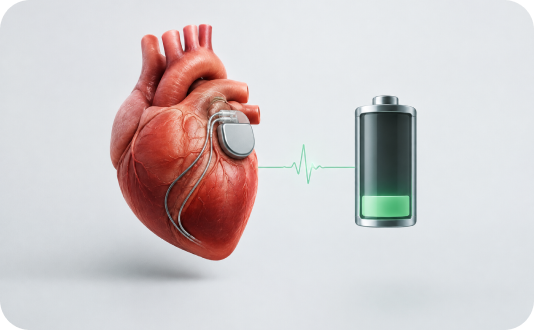
We measure exactly how much electricity is required to safely pace your heart. Your battery will last a whole lot longer by dropping the voltage down to the bare minimum needed.
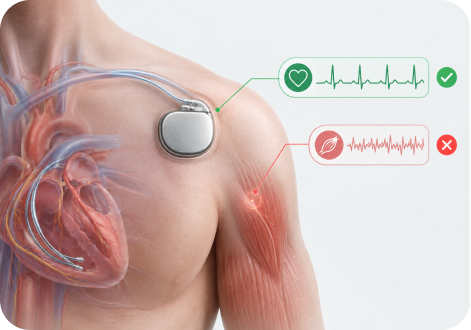
The pacemaker has to know the difference between a real heartbeat and just a random muscle twitch. We adjust the settings so it never gets confused and starts by mistake.
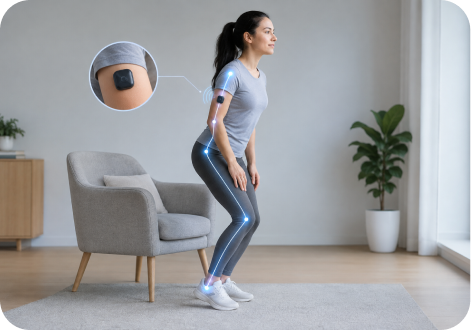
These little computers actually feel your body moving. If you feel sluggish when you first stand up, we can tell the sensors to react much faster to your body movements.
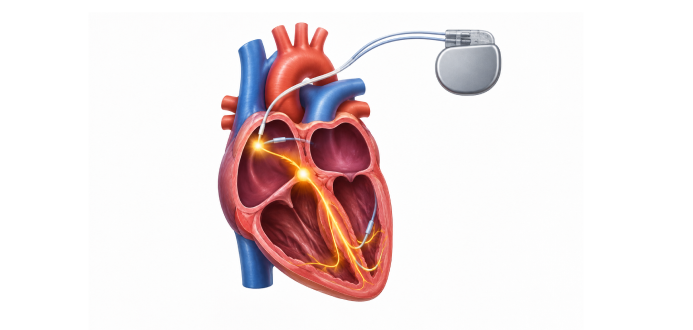
The top and bottom sections of your heart need to communicate with split-second precision if you have a dual-chamber pacemaker. We can program the specific delay between these chambers to perfectly mimic your heart’s natural electrical pathway.
Getting your device checked is completely painless and surprisingly fast. The whole process usually takes less than 20 minutes from start to finish.
Here is exactly what happens when you sit down in our office:
There is no need to change into a hospital gown. You just sit back in a regular exam chair while Dr. Ahmad places a small programming device right over your collarbone. It communicates to your pacemaker wirelessly.
The computer pulls a complete history of your heart's activity over the past few months. Your cardiologist reviews the information stored in your pacemaker. This helps identify issues that may need further evaluation.
The thin wires connecting your pacemaker to your heart are called leads. We test them to make sure they are working properly and delivering electrical signals as intended.
Your cardiologist may perform tests to determine how much electrical stimulation your heart needs when necessary. You might notice a brief change in your heartbeat during certain tests. But your care team will monitor you throughout the process.
We customize your new settings based on the data we just pulled and a discussion of your symptoms. The device is then checked again to confirm that the updated settings are working as intended.
Pacemaker reprogramming is generally considered safe when performed by a qualified cardiologist. The programming equipment also needs to be appropriate and standard. The procedure does not usually require surgery. Most patients can return to their normal daily activities shortly afterward.
Here is why you have absolutely nothing to worry about when you sit down for a device update
People with pacemakers often hear both terms at follow-up visits and wonder what the real difference is. One is mainly a check-up. The other is an adjustment. Here is a simple side-by-side look:
| When We Need to Check It | What We Are Looking For |
|---|---|
| 1 to 2 Weeks After Surgery | Checks incision healing & confirms the pacemaker is working properly |
| 1 to 3 Months Out | Reviews device performance & adjusts settings if needed |
| Every 6 to 12 Months | Checks battery life, device function & whether settings need adjustment |
| Ongoing | Reviews transmitted device data & checks for potential problems when remote monitoring is available |
| Whenever Symptoms Pop Up | Evaluates symptoms such as dizziness, unusual fatigue or a racing heartbeat |
We know that trusting someone with your heart health is a massive decision. You want a dedicated partner who genuinely listens to how you are feeling. At Premier Choice Cardiology, Dr. Tanveer Ahmad and our entire staff have built a practice completely centered around that personalized approach. Here is why patients across New Jersey trust us:
With over 35 years of clinical experience, Dr. Ahmad is board-certified in both Internal Medicine and Cardiovascular Disease. He brings a specialized understanding of cardiac rhythm management to every single device check.
We have equipped our clinic with the latest diagnostic technology. That means your remote monitoring and complete device evaluations happen right here in our comfortable office.
Dr. Ahmad takes a personal approach to patient care. He explains your pacemaker settings in clear language. He wants you to feel comfortable discussing your concerns and confident about the next steps in your heart care.
We firmly believe that you are the expert on your own body. We don’t just adjust your pacemaker based on raw data. We customize the programming based on your personal lifestyle and your specific comfort.
Our clinic is conveniently located for patients in Lakewood, Brick and the nearby areas. We ensure that your follow-up pacemaker appointments are convenient & nearby.
In case your pacemaker needs to be checked or you have some new symptoms, do not procrastinate. Our specialists from Premier Choice Cardiology will check your pacemaker and will readjust the settings if required.
Contact us or fill out our online form to book an appointment for reprogramming of your pacemaker.
Not at all. The entire process is completely painless and 100% non-invasive. We don’t use needles and there is no surgery involved. It feels exactly the same as getting a routine checkup.
Most routine interrogations and reprogramming sessions take about 15 to 20 minutes from the time you sit down in the chair. It is a very quick process.
Yes. One of the main goals of reprogramming is finding the exact minimum electrical voltage needed to safely trigger your heart. We can stretch your battery life significantly.
Yes. It is because routine pacemaker interrogation and reprogramming are considered medically necessary. They are almost universally covered by Medicare and most major private insurance providers.
We track battery status closely. When it approaches the elective replacement indicator, we plan a generator change well before the battery is exhausted.