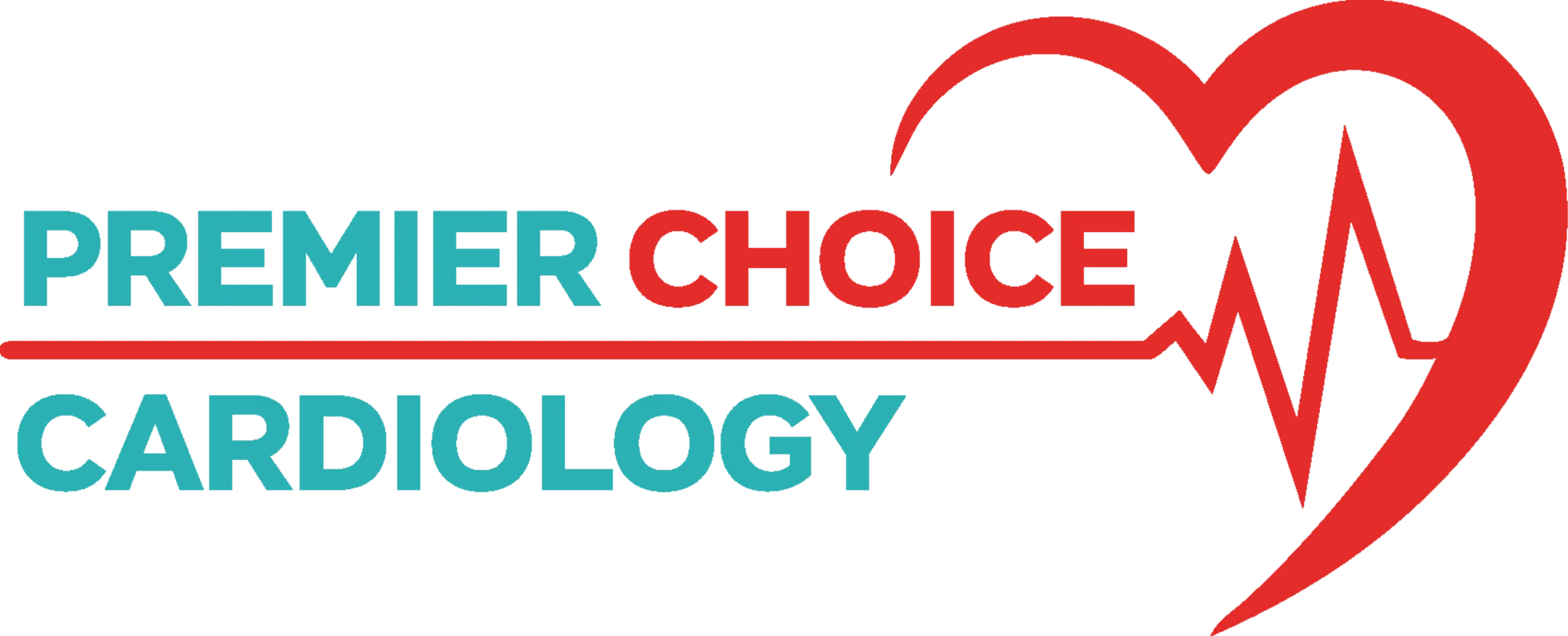
Heart attack risk increases significantly if you are dealing with conditions like high blood pressure (hypertension) or diabetes. At premier choice cardiology we provide specialized cardiac care for adults which includes personalized care to support full recovery after a heart attack

A heart attack (medically called a myocardial infarction) occurs when the flow of oxygen-rich blood to a part of the heart muscle is suddenly blocked or reduced.
A heart attack is caused by blocked coronary arteries when plaque starts building, with the passage of time, narrowing arteries restrict blood flow, which increases the chances of clot formation.
Major risk factors include


Cardiac screenings at Premier Choice Cardiology can help detect these risks early.
At Premier Choice Cardiology, our top-notch cardiologists will assess the symptoms and will perform tests to check whether your heart has been damaged.
Tests include:
With the help of an ECG records our cardiologists record the heart’s electrical activity and can show the changes that are associated with a heart attack.
Our cardiologists can detect substances that are released into the blood when heart muscle is damaged with the help of blood tests
Images are created of the heart with the help of this to check the condition of the heart.
This test can help doctors identify blocked or narrowed coronary arteries and determine the appropriate treatment.
Additional tests may be needed depending on your symptoms and condition.
You should visit a cardiologist if you have any symptoms that are connected with your heart or a previous history of heart problems. A cardiology evaluation may be appropriate if you have
You should not arrange a routine appointment with a cardiologist if you believe you are in the middle of a heart attack; instead, you must call 911 right away.
The primary aim of treating a heart attack is to get blood flowing to the heart as quickly as possible and to avoid further damage to the heart muscle.
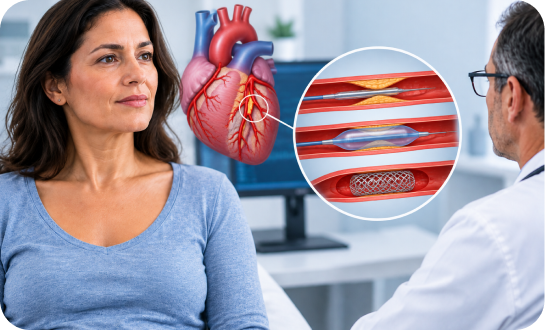
Coronary angioplasty is a treatment that is commonly used in order to open up a blocked or narrowed artery. A thin tube is inserted into the artery that is affected. The blockage can then be opened by inflating a small balloon. In most cases, a stent is deployed so as to keep the artery open and enable blood to flow more freely.
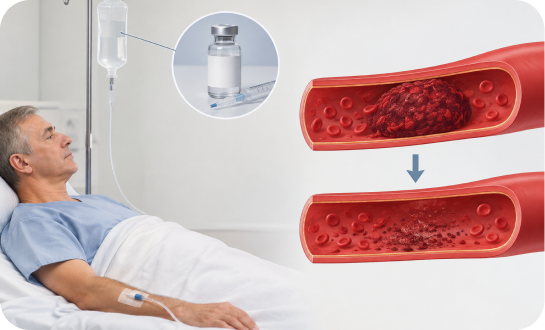
In certain instances doctors will use medication which dissolves clots, a procedure known as thrombolysis, in order to break up the blood clot and get blood flowing again to the heart. It isn't appropriate for all people, and your doctor will take into account the kind of heart attack you have and how quickly other treatments, such as angioplasty, can be given.
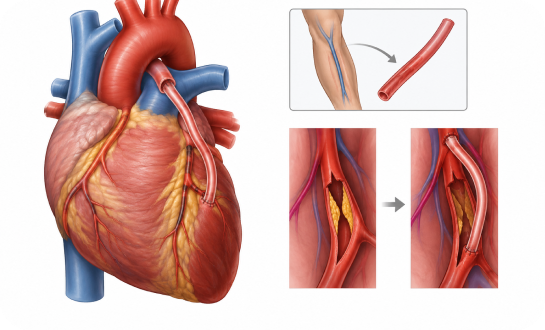
People might find that they need coronary artery bypass grafting (CABG), in particular if there are several arteries that are blocked or severely narrowed. In bypass surgery, a blood vessel that is in good health is taken from some other part of the body and used to form a new route for the blood to flow around the blocked artery.
When the immediate heart attack has been treated, it does not mean that the treatment has ended. Proper cardiology care is required for your heart health to manage risk factors and to reduce future cardiovascular risk.
Follow-up care may include:


Your cardiologist can help determine which follow-up services are appropriate for your condition.
At Premier Choice Cardiology, the care provided is based on your particular heart health requirements, and the practice is headed by Tanveer Ahmad, MD, FACC, who is board-certified in both internal medicine and cardiology.
Since each patient is different, they will have various symptoms, medical histories, risk factors, and requirements in terms of treatment. When assessing your heart health and putting together your care plan, our team considers all of these factors.
The office has advanced diagnostic facilities, such as nuclear testing, echocardiography, and vascular testing. The availability of such testing in the office makes it more convenient for patients to have them assessed.
Premier Choice Cardiology provides care for a variety of cardiovascular conditions. We offer coronary heart disease, heart attack, heart failure, arrhythmias, high blood pressure, and peripheral vascular disease.
Good heart care usually involves more than just one visit; our team carries out assessments, gives treatment, and provides continued management so that patients remain informed regarding their cardiovascular health.
If you understand the nature of your heart condition, you'll be in a better position to make more informed decisions regarding your health. We offer education and advice that are aimed at helping patients control their cardiovascular risk factors and improve their heart health.
It’s important that your heart health gets the timely, comprehensive care that it deserves. Premier Choice Cardiology focuses on creating a personalized experience for our patients in a compassionate, helpful manner.
You could be at greater risk if you have high blood pressure, diabetes, high cholesterol, obesity, or if your family history includes heart disease. A cardiac screening will be able to evaluate your risk profile.
Yes, panic attacks may lead to chest discomfort, a rapid heart rate, and shortness of breath. But it is important to rule out cardiac causes right away if the symptoms are sudden or severe.
Recovery varies widely. Some people resume portions of their usual activities within weeks, while others need several months or longer, depending on the extent of heart damage, treatment, complications, and overall health.
A large number of patients need to take medications on a long-term basis, for example, statins or blood pressure medications, in order to lower their risk of having another incident.
Yes, in many cases. If early detection is carried out, the risk factors are properly managed, and lifestyle changes are made, then your risk can be greatly reduced.