Hypertension, also known as high blood pressure, is a silent, symptomless condition that can result in serious health complications. The kidneys play a role in controlling blood pressure, meaning a patient’s unusually high blood pressure could be caused by a kidney-related issue.
Dr.Tanveer Ahmad is a board-certified cardiologist who provides care for high blood pressure and other heart-related conditions. Diagnostic testing is also performed at our offices in Lakewood and Brick, New Jersey.

High blood pressure is a common condition that affects the body’s arteries. It’s also called hypertension. If you have high blood pressure, your heart has to work harder to pump blood because the force of the blood pushing against the artery walls is consistently too high.
Blood pressure is measured in millimeters of mercury (mm Hg). In general, hypertension is a blood pressure reading of 130/80 mm Hg or higher.Blood pressure is divided into four categories according to the American College of Cardiology & the American Heart Association.
| Blood Pressure Category | Systolic | Diastolic |
|---|---|---|
| Normal | Less than 120 | Less than 80 |
| Elevated | 120–129 | Less than 80 |
| Stage 1 Hypertension | 130–139 | 80–89 |
| Stage 2 Hypertension | 140 or higher | 90 or higher |
Dr. Tanveer Ahmad will confirm a hypertension diagnosis using blood pressure measurements that are taken on separate occasions.
There are several possible causes of High Blood Pressure. If we talk about primary hypertension, it develops gradually without one cause. Secondary hypertension is a result of another condition or medication.
These are the conditions associated with secondary hypertension:
Some drugs and medications are also the cause of high blood pressure. A complete medical evaluation by Dr. Tanveer Ahmad is required to identify the issues that are causing the elevated readings.
High blood pressure has many risk factors, including:
It is also a key factor in developing high blood pressure.
High blood pressure is more common in men until about age 64 and women after the age of 65.
If you are not doing exercise and you are overweight, it increases the risk of high blood pressure.
Too much sodium intake can retain fluid in the body, which increases blood pressure.
People who drink too much alcohol have increased blood pressure.
Stress can also lead to a temporary increase in blood pressure, and stress-related habits can as well.
Smoking or vaping raises blood pressure and harms blood vessels.
High blood pressure is also increasing in children due to an unhealthy diet and not doing exercise regularly.
By doing a blood pressure checkup, it is just the start of hypertension evaluation. Testing depends on the patient’s blood pressure, medical history, symptoms, and suspected underlying causes.
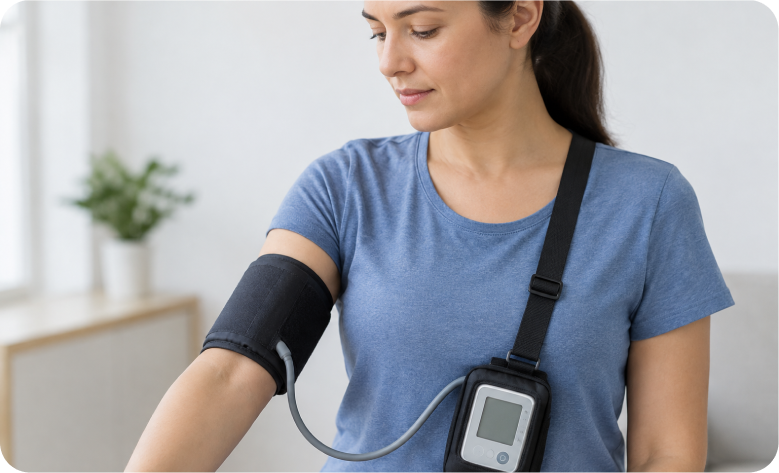
Ambulatory blood pressure monitoring checks blood pressure at regular times over 24 hours. However, these devices aren't available at all medical centers. Check with your insurer to see if the service is covered.
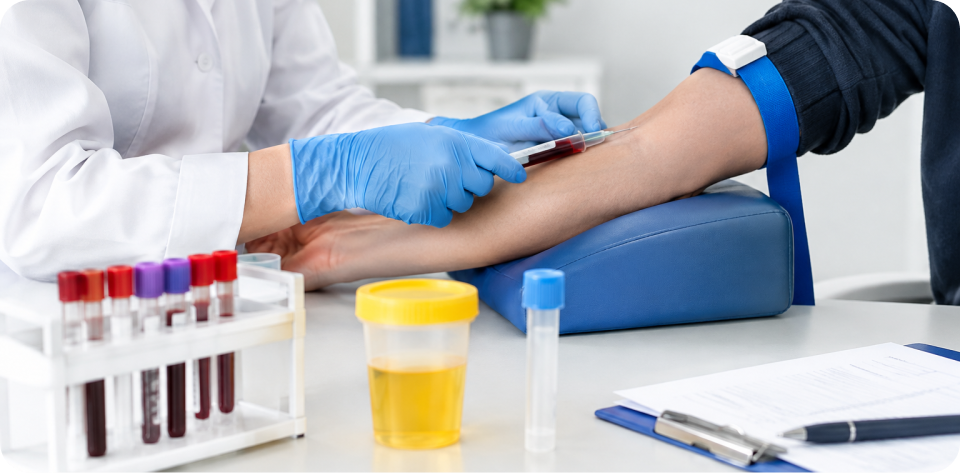
Blood & urine tests are done to check for conditions that can cause or worsen high blood pressure. For example, tests are done to check your cholesterol and blood sugar levels. You may also have lab tests to check your kidney, liver, & thyroid function.
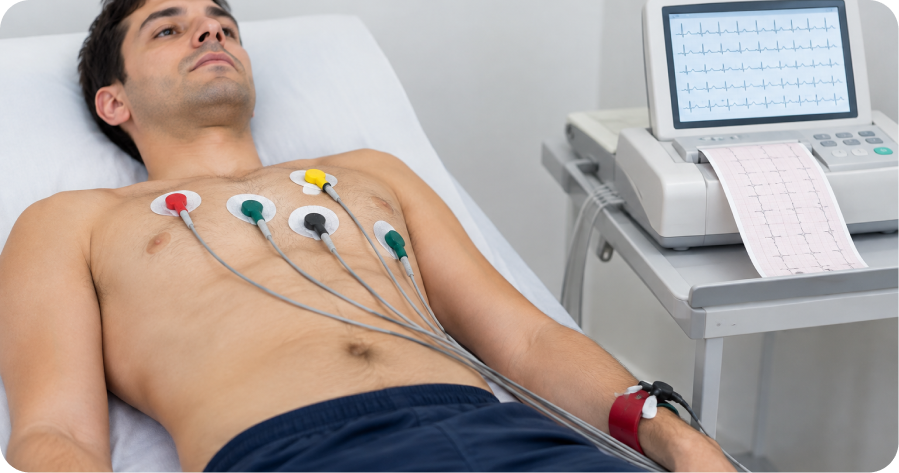
During an ECG, sensors called electrodes are attached to the chest and sometimes to the arms or legs. Wires connect the sensors to a machine, which prints or displays results
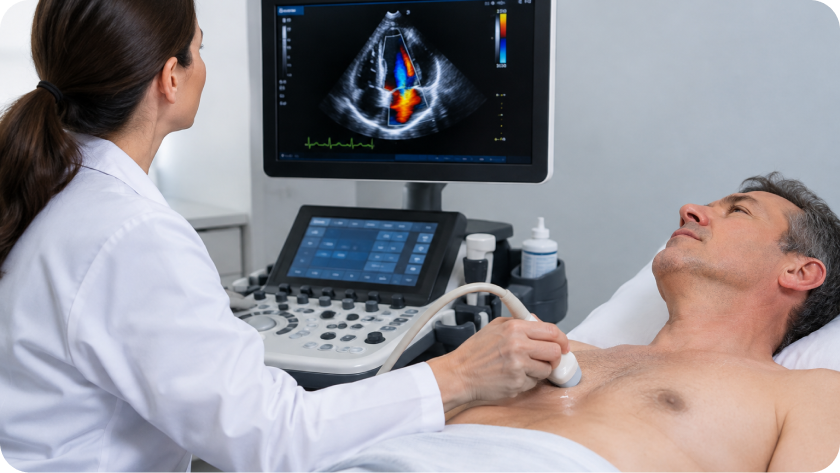
This noninvasive exam uses sound waves to create detailed images of the beating heart. It shows how blood moves through the heart and heart valves.
During your visit at Premier Choice Cardiology, Dr. Tanveer Ahmad will review your blood pressure readings & the medicines you are using.
Blood pressure is checked multiple times to confirm your blood pressure readings. If there is a need, the doctor will ask you to also monitor your blood pressure readings at home.
Some additional tests are required if Dr. Tanveer Ahmad suspects secondary hypertension. Tests include urine tests, an ECG or other tests based on your health and symptoms.
High blood pressure treatment combines lifestyle changes with medication. Treatment depends on blood pressure levels, cardiovascular risk and the patient's response to treatment.
Follow-up appointments may be recommended to see how your blood pressure responds to treatment and to keep your blood pressure under control and lower the risk of complications.
Dr. Tanveer Ahmad has over 21 years' experience in the field of cardiovascular care; his specialties are cardiology and interventional cardiology, and he treats a variety of conditions such as heart rhythm disorders, coronary artery disease, hypertension, and heart failure.
Accepting New Patients

Because High blood pressure care is part of the cardiology services by Dr. Tanveer Ahmad, MD, FACC, proper treatment and care are provided based on your heart health and requirements, and also the following reasons to choose him.
Dr. Tanveer Ahmad is a Fellow of the American College of Cardiology (FACC), a distinction the College gives to cardiologists who meet its standards for training, certification, and professional achievement.
For so many years, he was serving as the Director of the cardiac catheterization lab at Monmouth Medical Center-Southern Campus.
He is trained in cardiac imaging and echocardiography, which help doctors evaluate heart structure and function.
He has vast experience in treating many conditions, including high blood pressure, heart failure, arrhythmia, and peripheral artery disease.
According to the patients, Dr. Tanveer Ahmad is knowledgeable and highly competent. He has a strong ability to handle complex situations.
Premier Choice Cardiology accepts many major insurance plans, including:






Premier Choice Cardiology has offices in Lakewood and Brick, NJ. This makes it easier for patients in Ocean and Monmouth Counties to see a cardiologist close to home. Pick the location that’s most convenient for you and reach out to our team to book your appointment.

Treatment depends upon your blood pressure levels and your overall health. Doctors combine lifestyle modifications with medications.
If your resting blood pressure is around 140/90 mm Hg and you feel well, moderate walking is usually safe for many people and may help improve blood pressure.
Take twice-daily blood pressure medication according to the prescribed schedule and ask your doctor or pharmacist if you are unsure about timing.
No, you should not take an extra blood pressure pill on your own when your blood pressure is high
Blood pressure that won’t go down is a sign of resistant hypertension despite taking lifestyle steps and multiple medications