Resting heart rates rarely tell the full story. You could have a completely normal EKG while sitting on an exam table, yet still struggle with shortness of breath the minute you climb a flight of stairs. We need to see your heart under pressure to figure out why that happens.
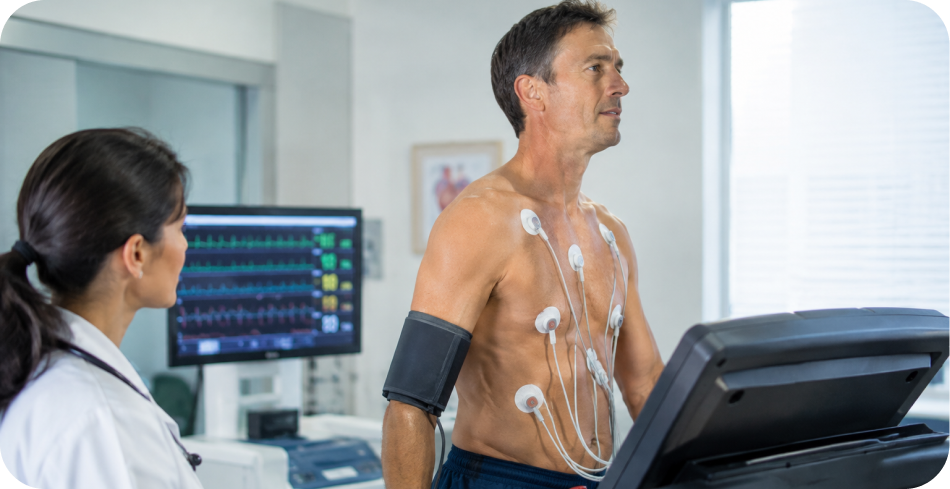
An exercise stress test does exactly that. When you visit Premier Choice Cardiology, we will see how the heart responds to physical exertion. Our team constantly tracks your blood pressure and electrical heart rhythms.

There are moments when resting tests just don’t give the full story. Your heart can look steady on an EKG or echocardiogram while you’re sitting still. Yet something shifts once you start climbing stairs or walking at a normal pace. That’s usually when a cardiologist reaches for an exercise stress test.
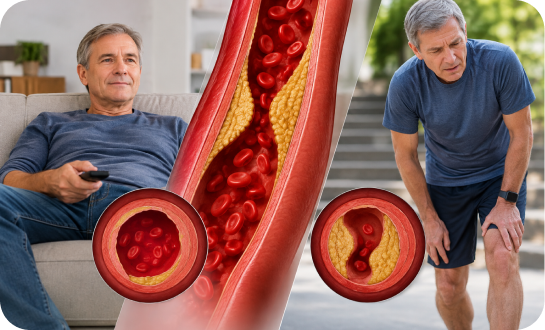
Plaque buildup can narrow your blood vessels. But enough blood still gets through when you're relaxing on the couch. The test catches the issues when you start walking or climbing Trouble. The oxygenated blood demand rises in this situation and those vessels can’t keep up.
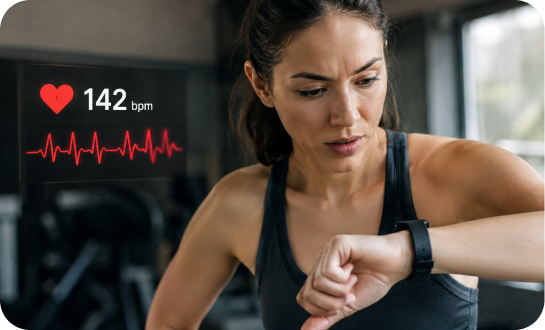
Not every rhythm problem happens around the clock. A lot of irregular rhythms only show up when your heart rate spikes. It’s much easier to catch those strange issues that hide during a normal exam.
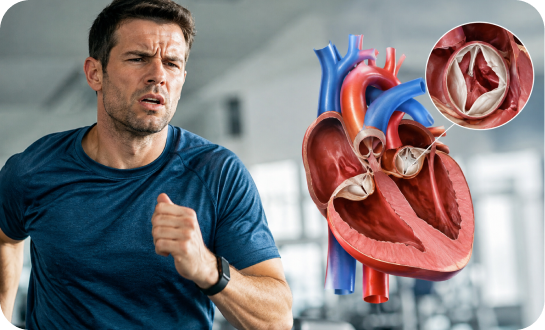
The heart works under stress when the valve doesn’t open or close properly. This test gives us a very clear picture of how badly a faulty valve is causing problems with your blood flow once you actually start pushing yourself.
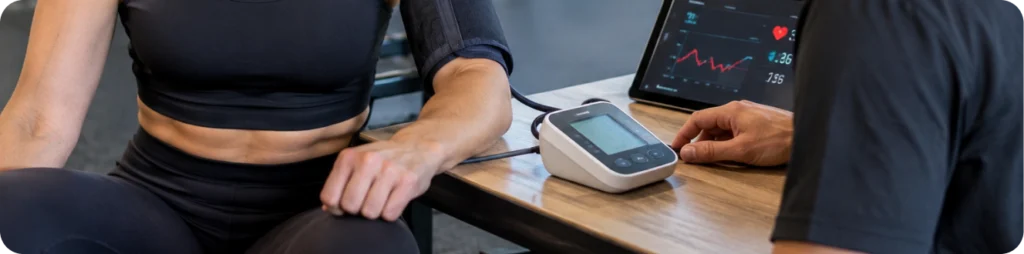
We also pay close attention to how your body handles the workout overall. We track how your blood pressure reacts & how fast you recover once you stop.
An exercise stress test may be recommended when your cardiologist needs to see how your heart responds while you are physically active. You may be a good candidate if you:
| Test Type | How It Works | Best Suited For |
| Standard Exercise Test | Walking on a treadmill or riding a stationary bike while connected to an EKG machine | Most patients who can easily walk or pedal without severe joint pain or physical limitations |
| Pharmacological Stress Test | Uses a safe IV medication to dilate blood vessels, simulating the effects of a hard workout on the heart | Patients dealing with severe arthritis, back issues, or mobility limitations who cannot physically exercise |
| Stress Echocardiogram | Combines a traditional stress test with ultrasound imaging before and immediately after the peak exercise phase | People who require highly detailed images of their heart valves and muscle wall motion |
| Nuclear Stress Test | Involves injecting a tiny, perfectly safe amount of radioactive tracer to capture advanced images of blood flow | Detecting the exact geographic areas of poor blood flow or identifying old, permanent heart damage |
Getting ready for your appointment is fairly straightforward, but honestly, skipping these prep steps can seriously mess up your results. Here’s exactly what you need to keep in mind before you walk through the doors at Premier Choice Cardiology:
However, never stop taking your prescribed meds without our specific directions.
It’s completely normal to feel a bit nervous beforehand. Honestly, knowing the basic steps really takes off the pressure. Here is what you can expect during the exercise stress test:
Show up in comfortable clothes and walking shoes. A technician will stick a few patches on your chest to track your heartbeat on a monitor. We will check your resting blood pressure and do a quick review of your medications before you even stand up.
You might pedal a stationary bike or do another type of guided activity depending on what your doctor decides. We can even give you a special medication that safely mimics a workout if you have mobility issues. The staff watches your vitals the entire time and will constantly check in to see how you are holding up.
We slow things right down once you hit that target. We keep watching the monitors while your breathing goes back to normal. This cool-down phase tells us just as much about your heart as the actual workout.
We peel off the patches and you're good to go after a quick test. Your cardiologist will review the data and you can usually get some initial answers before you even head home.
An exercise stress test is generally very safe. Serious complications are rare. The thought of purposefully stressing your heart might sound incredibly scary, especially if you’re already deeply worried about your cardiac health. But remember, you are in a highly controlled, fully equipped medical environment.

This is the good news. It means your heart pumped perfectly fine under stress. Blood flow was normal, and no serious blockages were indicated on the EKG. You likely won’t need any further, invasive testing right now.
Take a deep breath; don’t panic. An abnormal result absolutely does not equal an immediate heart attack. It just means something disrupted your heart’s electrical function or blood flow during the test. It could suggest underlying coronary artery disease, or it might simply mean your current daily heart medication isn’t working quite as well as it should be.
Choosing where to have an exercise stress test or any cardiac evaluation matters. You want careful supervision and a team that treats you like a person rather than a set of numbers. Here’s what patients consistently notice about our practice.
Your test will be conducted under the supervision of a board-certified cardiologist who actually specializes in cardiac rhythm issues and coronary artery disease.
We sit down to review your history and explain your test results in plain English. You'll leave the office knowing exactly what your practical next steps are.
We handle everything right here in our own accredited diagnostic lab. You get top-tier equipment without having to visit a separate hospital facility.
We offer complete care from standard echocardiograms to cardiac catheterizations directly through our practice.
We keep things simple for our neighbors across Ocean and Monmouth Counties. Expect timely appointments and a completely hassle-free experience.
Contact Premier Choice Cardiology today to book your initial consultation and seamlessly schedule your exercise stress test. Our friendly staff is ready and waiting to help you navigate your appointment times and walk you through all the important instructions.
Yes. A trained technician and medical staff monitor you continuously and can stop the test immediately if needed.
Often yes. Your cardiologist reviews the tracing and can discuss the main findings the same day. A more detailed conversation may follow at a later visit if needed.
An abnormal result doesn’t automatically mean something serious. It simply means further evaluation or treatment adjustment may be helpful. We’ll walk you through the next steps.
Most insurance plans cover an exercise stress test when it’s ordered for a medically appropriate reason. Our office can help check your specific coverage.
No. A standard exercise stress test uses only the EKG and blood-pressure monitoring. No radiation is used.