A fast heart rhythm that starts in the lower chambers of the heart is defined as Ventricular tachycardia. Sometimes it passes in a few seconds, while other times it causes fainting or becomes life-threatening.
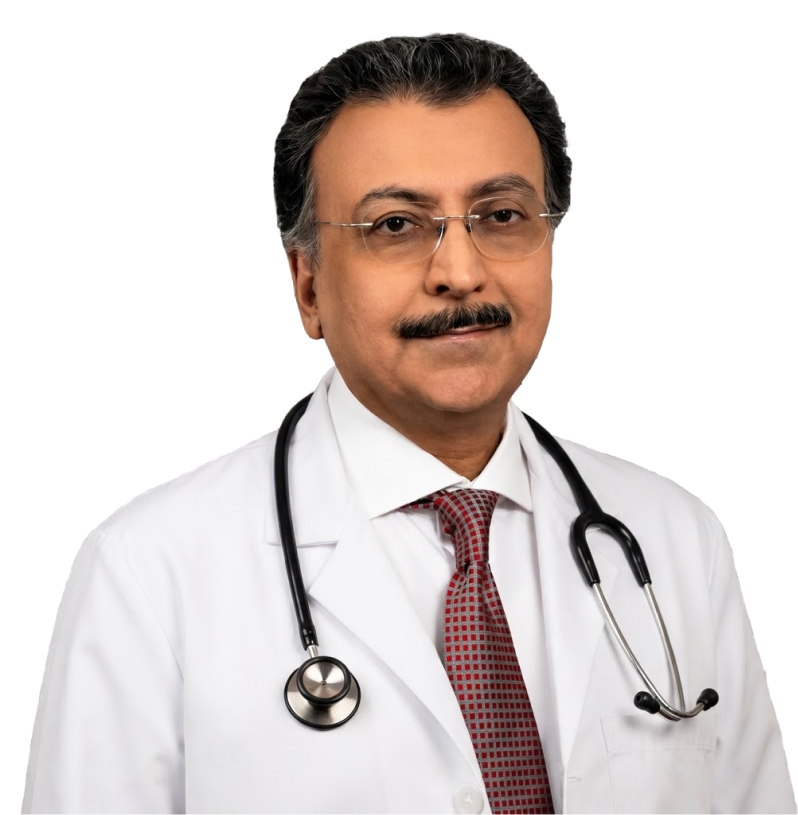
If you are diagnosed with VT or your symptoms point to it, Dr. Tanveer Ahmad, a Board-Certified Cardiologist at Premier Choice Cardiology in New Jersey, will evaluate your heart and build a plan for you.
Ventricular tachycardia (VT or V-tach) is an abnormal heart rhythm (arrhythmia) where a fast heart rate exceeding 100 beats per minute originates in the heart’s lower chambers (ventricles) instead of the normal electrical pathway.
It is not necessary that every patient feel symptoms of Ventricular Tachycardia. Some of the patients do not feel any symptoms; some of the symptoms are


If you are feeling chest pain, fainting, or difficulty in breathing, you need medical treatment right now. Call 911 immediately.
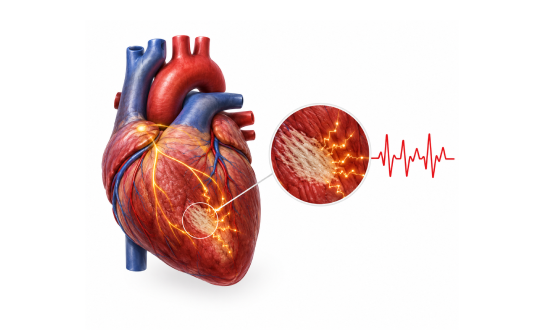
If a person already has a heart attack & there is a scar in the heart, that scar can disrupt the heart's electrical signals that can lead to an abnormal heartbeat.
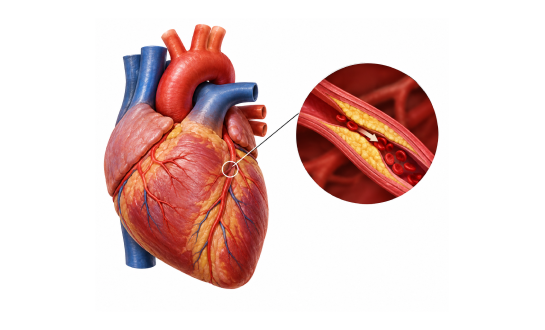
In Coronary artery disease, the arteries that transfer blood to the heart muscle become narrow, due to which necessary blood and oxygen become difficult to reach the heart.
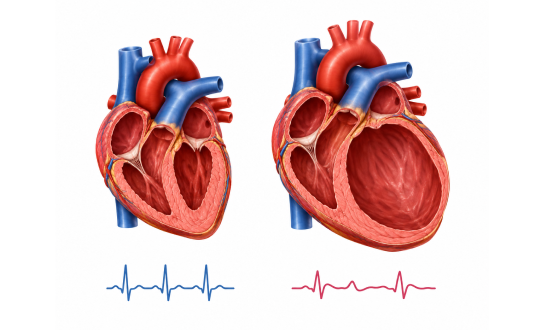
Cardiomyopathy means that the heart muscle becomes weak or the heart size increases. Due to which, heart pumping and electrical activity are affected.
Dr. Tanveer Ahmad at Premier Choice Cardiology, serving in New Jersey, starts with a warm conversation and asks about your symptoms, family history, and the medication you are taking recently or have taken in the past. Then, according to the evaluation, he will decide what tests are required; these tests may include:
Premier Choice Cardiology has a nuclear, echocardiography, and vascular laboratory, so no need to worry about the tests; most of the tests are done at our clinic; some require a visit to the hospital.
Dr. Tanveer Ahmad has over 21 years’ experience in the field of cardiovascular care; his specialties are cardiology and interventional cardiology, and he treats a variety of conditions such as heart rhythm disorders, coronary artery disease, hypertension, & heart failure.

Premier Choice Cardiology treats the disease with three main goals in mind: lower the risk of a dangerous rhythm, stop the episode, and treat the cause of the problem. Treatment depends upon:
If blocked arteries, heart failure, or a weakened heart muscle is driving the VT, treating that condition often calms the rhythm too.
Beta blockers and other anti-arrhythmic medicines can slow the heart and make episodes less likely. I choose them based on your test results and overall health.
Follow individualized advice about fluids, salt, caffeine, alcohol, and exercise, especially if you have heart failure or kidney disease.
An ICD is a small device placed under the skin of the chest. It watches your heart rhythm and delivers a shock if a dangerous rhythm starts.
In this procedure, a doctor guides thin tubes into the heart & treats the small area of tissue that triggers the abnormal rhythm.
ICD placement and catheter ablation are performed by electrophysiologists, who are cardiologists with extra training in heart rhythm disorders. If you need one of these treatments,
Dr. Tanveer Ahmad will refer you to a specialist with your medical records and will stay properly involved in your care.
During your visit, please bring all your medications, previous or current. ECG reports and all the paperwork if you have been diagnosed with a heart rhythm problem before. It helps Dr. Tanveer Ahmad to diagnose the symptoms and how long they last.
After leaving, you will know most of the things about your heart, your heart condition, what’s going on, & what the next step is. If you can’t come in person, telemedicine appointments are also available for consultations.
Remember, telemedicine is not a Substitute for Emergency Care.
At Premier Choice Cardiology, the care provided is based on your particular heart health requirements, & the practice is headed by Tanveer Ahmad, MD, FACC, who is board-certified in both internal medicine & cardiology.
Dr. Tanveer Ahmad is a Fellow of the American College of Cardiology (FACC), a distinction the College gives to cardiologists who meet its standards for training, certification, and professional achievement.
Dr. Ahmad has spent more than 21 years caring for heart patients, which means he has seen how VT shows up in many different people and how it responds to treatment.
Dr. Ahmad sees patients at two offices in Ocean County, one in Lakewood and one in Brick, so patients can choose whichever is closer to home.
Patients have recognized Dr. Ahmad on U.S. News for explaining clearly, listening attentively, and making time for them, which matters when a diagnosis like VT feels frightening and confusing.
Dr. Tanveer Ahmad provides education and advice that are aimed at helping patients control their cardiovascular risk factors and improve their heart health.









It can be. Short episodes may cause few symptoms, but sustained VT can reduce blood flow to the brain and body and may progress to cardiac arrest.
It depends on the cause. Some people do very well once the underlying heart condition is
treated. Others need medication, an ICD, or catheter ablation to keep the rhythm under control.
Often yes, but not always, and the right level depends on what’s causing your VT. Please talk with a certified cardiologist like Dr. Tanveer Ahmad before starting or continuing exercise, so we can set limits that protect your heart.
Survival rates for ventricular tachycardia (VT) vary widely depending on whether it leads to cardiac arrest, the health of your heart muscle, and how quickly you receive treatment.
Yes, healthy people can experience ventricular tachycardia (VT), though it is much less common and usually less dangerous than when it occurs in people with heart disease.